Background: The Evolution of iPSC Technology and Therapeutic Promise
Induced pluripotent stem cell (iPSC) technology has garnered global attention as a potentially transformative force in regenerative medicine and drug discovery. The ability to generate iPSCs from a patient’s own somatic cells, coupled with their self-renewal capacity and pluripotency, offers a significant advantage: a potentially limitless supply of patient-specific cells with low risk of immune rejection. This has fueled expectations for iPSCs to serve as an infinite source for repairing damaged tissues and organs, as well as powerful tools for disease modeling.
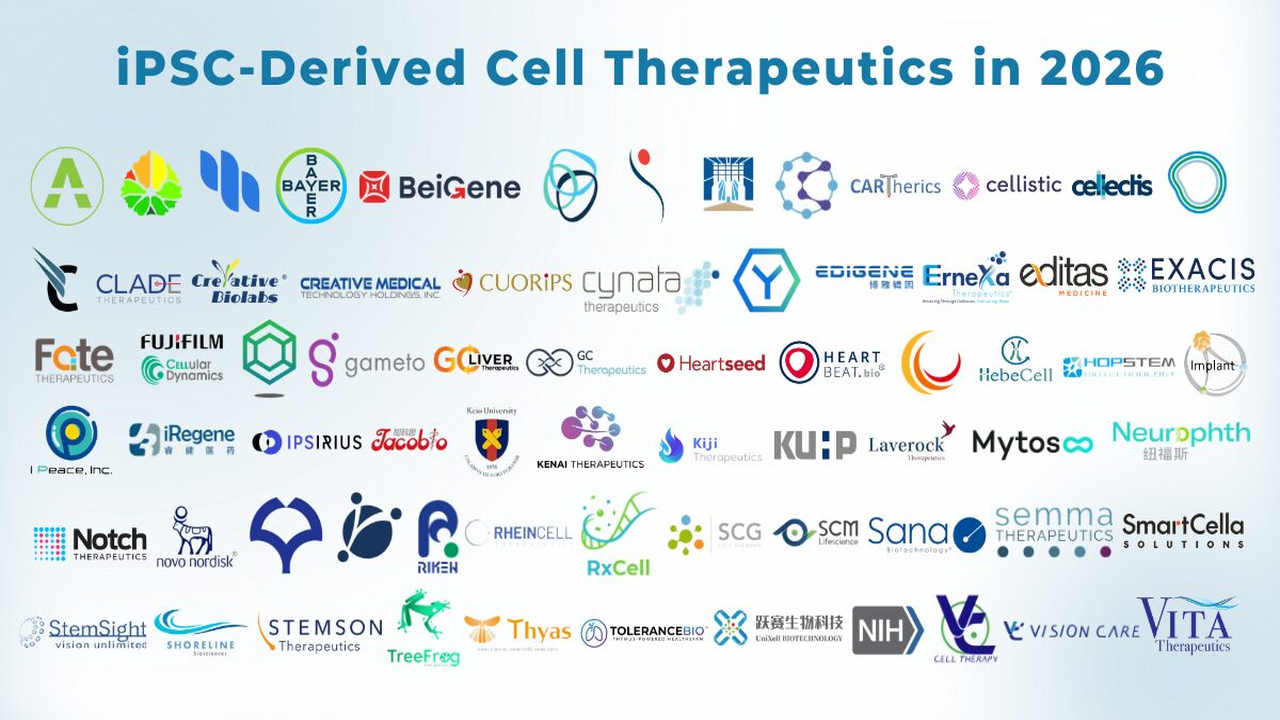
Entering 2026, iPSC technology has steadily progressed from fundamental research to tangible clinical applications. Numerous biotechnology and pharmaceutical companies, alongside leading research institutions, are building extensive pipelines of iPSC-derived cell therapies and advancing them through clinical trials targeting various diseases. However, persistent challenges in safety, efficacy, manufacturing cost, and scalability remain, and their successful resolution is critical for widespread clinical adoption.
Key Findings / Results: The Diverse iPSC-Derived Therapeutic Pipeline in 2026
As of 2026, the iPSC-derived cell therapy pipeline is highly diversified, with active clinical development spanning multiple disease areas. Key developments include:
- **Neurological Disorders:**
iPSC-derived dopamine neuron replacement therapy for Parkinson’s disease is one of the most advanced areas. Beyond pioneering clinical trials by Kyoto University Hospital, **Aspen Neuroscience** in the US is developing an autologous iPSC-derived neural cell replacement therapy for Parkinson’s patients, which is progressing through clinical trials. The **NIH** is also conducting a Phase I/IIa clinical trial for an iPSC-derived therapy for geographic atrophy, a progressive retinal disorder, aiming for neuroprotection and functional recovery. - **Cardiovascular Diseases:**
Heart failure remains a major target for iPSC-derived cardiomyocyte applications. **Avery Therapeutics** is advancing clinical development of iPSC-derived cardiac sheets and cardiomyocyte transplantation to improve heart function. Japan’s **I Peace Inc.** is also developing heart failure therapeutics, leveraging its technology for supplying high-quality iPSCs. - **Diabetes:**
Transplantation of iPSC-derived pancreatic beta cells for Type 1 Diabetes is a promising avenue for a functional cure by restoring insulin production. **Allele Biotechnology and Pharmaceuticals** in the US is developing an iPSC-derived pancreatic beta cell therapy, aiming for improved glycemic control. Vertex Pharmaceuticals’ VX-880 (Zimislecel) has also shown highly encouraging results in this field. - **Other Disease Areas:**
iPSC-derived cells are also being explored for a broad range of other conditions, including retinal tissue repair for ocular diseases like macular degeneration, nerve regeneration for spinal cord injury, repair of damaged cartilage, and applications in motor neuron diseases. Research in these areas is transitioning from basic science to preclinical and, in some cases, early-stage clinical trials.
The progress across these pipelines indicates that iPSCs are not only established tools for disease modeling and drug discovery but are increasingly becoming a reality for direct patient treatment.
Impact and Outlook: Overcoming Challenges for Broad Clinical Adoption
The expansion of the iPSC-derived cell therapy pipeline will have a profound impact on future medicine. However, several critical challenges must continue to be addressed to achieve widespread clinical application:
- **Safety and Immunogenicity Management:**
Rigorous assessment of tumorigenicity risk and management of immune rejection in allogeneic therapies remain paramount. Advances in gene-editing to reduce immunogenicity (e.g., HLA knockout) and cell encapsulation technologies are highly anticipated. - **Standardization of Manufacturing and Quality Control:**
Establishing GMP-compliant (Good Manufacturing Practice) manufacturing processes is essential to ensure stable supply at commercial scale and consistent quality across batches. This requires the development of automated cell culture systems and advanced quality assessment techniques. - **Cost-Efficiency Improvements:**
Currently, iPSC-derived therapies are expensive. Efforts to streamline manufacturing processes, scale up production, and expedite regulatory approvals are crucial to reduce treatment costs. - **Advancement in Regulatory Science:**
Further clarification of regulatory guidelines for these innovative therapies and the development of post-market evaluation frameworks utilizing real-world data (RWD) are necessary.
The iPSC pipeline in 2026 reflects the industry’s strong commitment to resolving these challenges and the growing technological maturity. Over the next few years, it is anticipated that more iPSC-derived therapies will advance to late-stage clinical trials and achieve regulatory approval, bringing new hope to many patients suffering from intractable diseases.
Source: https://bioinformant.com/ipsc-derived-cell-therapeutics/




Comments