Key Findings
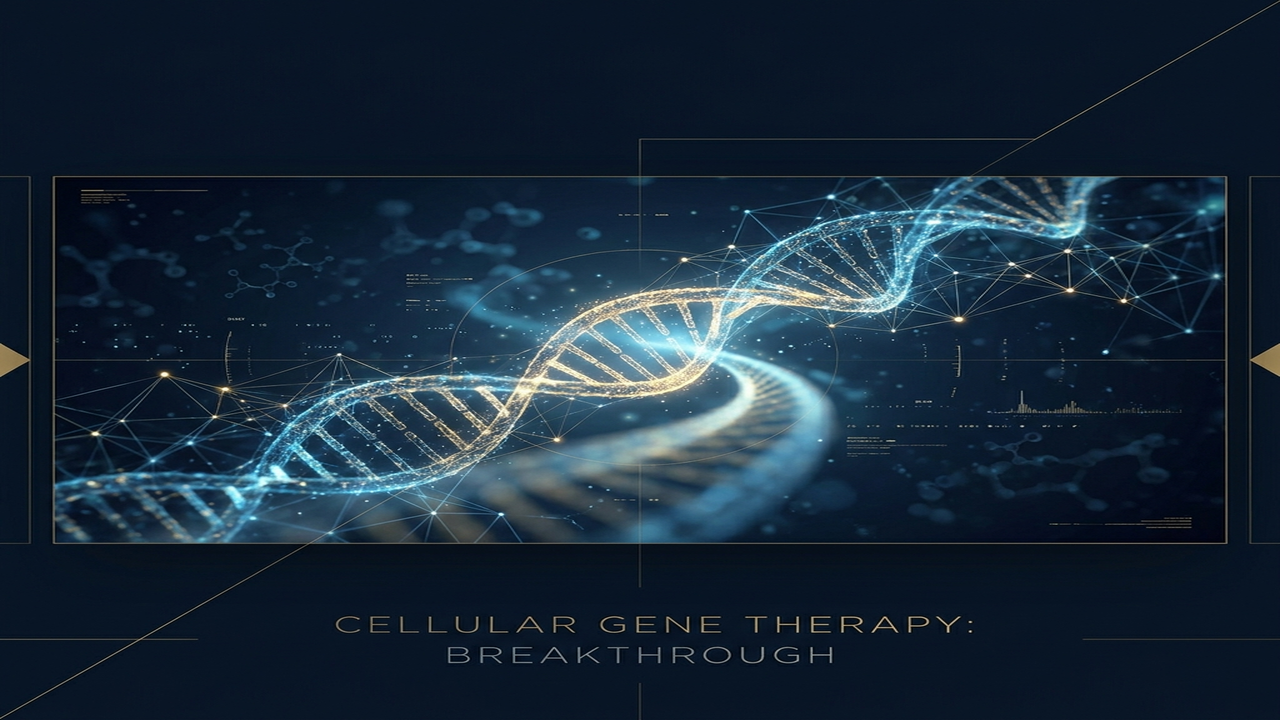
In 2026, CRISPR gene editing technology is undergoing a significant expansion of its therapeutic applications, moving beyond precise editing to embrace a revolutionary mechanism involving the newly discovered Cas12a2 protein, which can ‘shred’ the entire DNA of diseased cells. This novel ‘DNA shredder’ selectively eradicates cancerous and virally infected cells by initiating a catastrophic, non-specific degradation of the host cell’s genome upon recognition of a harmful DNA sequence, leaving healthy cells unharmed.
Technical / Clinical Details
- CRISPR/Cas9 Advancements: The FDA approval of CASGEVY (exa-cel) for sickle cell disease marked a pivotal milestone, validating the clinical viability of CRISPR-based therapies and bolstering regulatory confidence in their safety and efficacy. This precedent underpins the accelerated development of new gene editing modalities.
- CRISPR-Enhanced CAR-T Cells: Research published in Nature in 2025 on the CELLFIE platform demonstrated that CAR-T cells enhanced with CRISPR technology exhibited superior therapeutic efficacy and persistence compared to standard CAR-T cells. This advance promises improved outcomes for patients with refractory cancers, addressing limitations of current cell therapies.
- Novel Cas12a2 Mechanism: Distinct from the precise cutting action of Cas9, Cas12a2 is activated upon detecting specific viral DNA or oncogenes, triggering a dramatic increase in its enzymatic activity that leads to wholesale destruction of the host cell’s genome. This mechanism is exceptionally effective for target cells that need to be entirely eliminated, such as those in viral infections or aggressive cancers, offering a new pathway for complete eradication of malignant or infected cells while minimizing off-target effects on healthy tissues.
- Next-Generation Editing: The field is also seeing progress in higher-precision next-generation genome editing technologies like base editing and prime editing. These modalities allow for single-base corrections and more extensive gene insertions or deletions with greater accuracy and fewer off-target effects, opening diverse therapeutic avenues for a broader range of genetic disorders.
- Optimized Gene Delivery: Improving the efficiency and specificity of gene delivery remains crucial for maximizing therapeutic outcomes. Researchers are continuously developing innovative viral vectors (e.g., AAV) and non-viral vectors (e.g., liposomes, nanoparticles) with enhanced transduction efficiency and reduced immunogenicity, expanding the applicability of in vivo gene therapies.
Background & Context
Cellular and gene therapy has experienced rapid advancements, with CRISPR technology at its core, offering profound potential to address the root causes of genetic diseases and cancers. However, significant challenges persist, particularly in solid tumors and diverse viral infections, where existing cell therapies like CAR-T have shown limited efficacy. The discovery of Cas12a2 directly addresses these unmet medical needs by providing a powerful new tool for targeted cell elimination.
Strategic Significance & Outlook
The emergence of new CRISPR systems like Cas12a2 dramatically broadens the scope for diverse therapeutic applications of gene editing. This ‘DNA shredder’ function is poised to form the basis for novel treatment strategies against aggressive hematological and solid tumors, as well as chronic viral infections, which have historically been difficult to treat. Future research will focus on further optimizing the specificity and safety of Cas12a2 to facilitate its transition to clinical trials. Furthermore, the integration of Cas12a2 with other gene editing and cell therapy platforms is expected to drive the development of more potent and personalized treatments, accelerating the realization of precision medicine and offering new hope to a vast number of patients worldwide.
Source: https://topdoctormagazine.com/breakthroughs/cellular-gene-therapy-2026/








Comments