Background
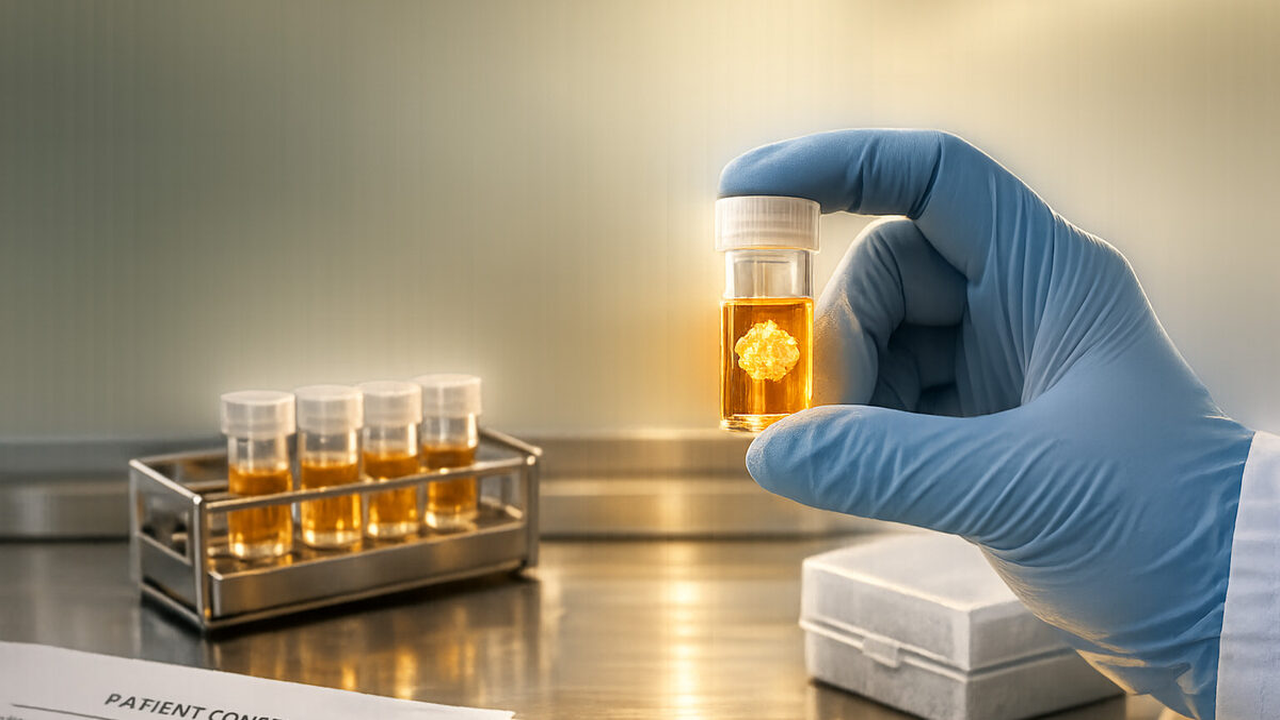
Induced pluripotent stem cells (iPSCs) hold immense promise as a cornerstone of future regenerative medicine, primarily due to their ability to be generated from a patient’s own somatic cells, thereby minimizing the risk of immune rejection. Since their discovery in the late 2000s, iPSC research has progressed dramatically, moving beyond basic science into a global landscape of clinical trials targeting various intractable diseases. The potential of iPSC therapies in areas with limited existing treatments, such as neurodegenerative and ophthalmic disorders, has garnered significant attention from patients and medical professionals alike.
Key Findings / Results
The report published by Americord Registry provides an extensive overview of the latest breakthroughs and trends in iPSC clinical trials, emphasizing several key areas:
- Broad Application Across Disease Areas: Clinical trials for iPSC therapies are advancing across a wide range of conditions, including Parkinson’s disease, spinal cord injury, age-related macular degeneration, heart failure, and liver diseases. In each area, specific iPSC-derived cell types (e.g., dopamine neural progenitor cells, retinal pigment epithelial cells, cardiomyocytes) are being transplanted, with ongoing assessment of safety and efficacy.
- Safety and Tolerability in Early-Phase Trials: Many Phase I and Phase II clinical trials have demonstrated that transplantation of iPSC-derived cells is generally safe and well-tolerated by patients. The risk of severe adverse events or tumorigenesis is being kept low through rigorous cell selection and quality control protocols.
- Promising Efficacy Signals: Some trials have reported encouraging preliminary results, including indications of disease progression arrest or functional improvements. For instance, neurological diseases show improved motor function, and ophthalmic conditions exhibit signs of visual acuity maintenance or restoration.
- Global Research Collaboration: International collaboration in iPSC research is strengthening, particularly among Japan, the United States, and Europe, fostering the sharing of clinical insights and accelerating development.
The report also includes information on specific clinical trial IDs and their protocols, serving as a valuable resource for researchers and clinicians.
Technical Significance & Outlook
The progress in iPSC clinical trials, as detailed in Americord Registry’s report, confirms that regenerative medicine is steadily transitioning into a practical, clinical phase. The promising early results in neurological and ophthalmic diseases offer new hope to many patients for whom treatment options have historically been limited. iPSC technology holds diverse potential beyond cell replacement therapy, including its use as disease models for drug discovery and its expansion into personalized medicine. Future challenges include establishing long-term safety and efficacy in larger-scale clinical trials, standardizing manufacturing processes, reducing costs, and collaborating with regulatory bodies to establish expedited approval pathways. Overcoming these hurdles will enable iPSC therapies to profoundly transform existing medical paradigms, contributing to improved health outcomes and quality of life for a vast number of individuals.
Source: https://www.americordblood.com/articles/ipsc-clinical-trials-latest-breakthroughs-stem-cell-research



Comments