Background and the Importance of Organoid and Tissue Engineering
In fields such as regenerative medicine, drug discovery, and personalized medicine, the development of in vitro model systems that accurately replicate the complex structure and function of in vivo organs and tissues has been a long-standing goal. Traditional two-dimensional (2D) cell cultures often fail to provide sufficient information due to significant deviations from the in vivo microenvironment. Organoids, conversely, are three-dimensional (3D) tissue cultures derived from stem cells that differentiate and self-organize, offering a more physiologically relevant model.
However, organoid manufacturing has its own challenges, particularly in controlling size and architectural features. Three-dimensional (3D) bioprinting technology is emerging as a key solution to address these limitations.
Advances in Organoid and Tissue Development via 3D Bioprinting
3D bioprinting, a technology that constructs 3D structures by layering cells and biomaterials, enables precise control over the design and manufacturing of organoids and complex tissue models. This technical article highlights the following key advancements:
- Necessity of Controlled Biofabrication: The production of spheroids (spherical cell aggregates) traditionally relies on random self-assembly, resulting in limited control over size and internal architectural features. Automated and controllable biofabrication methods, such as laser-assisted bioprinting, are crucial for overcoming this limitation and constructing more uniform and functional tissue structures.
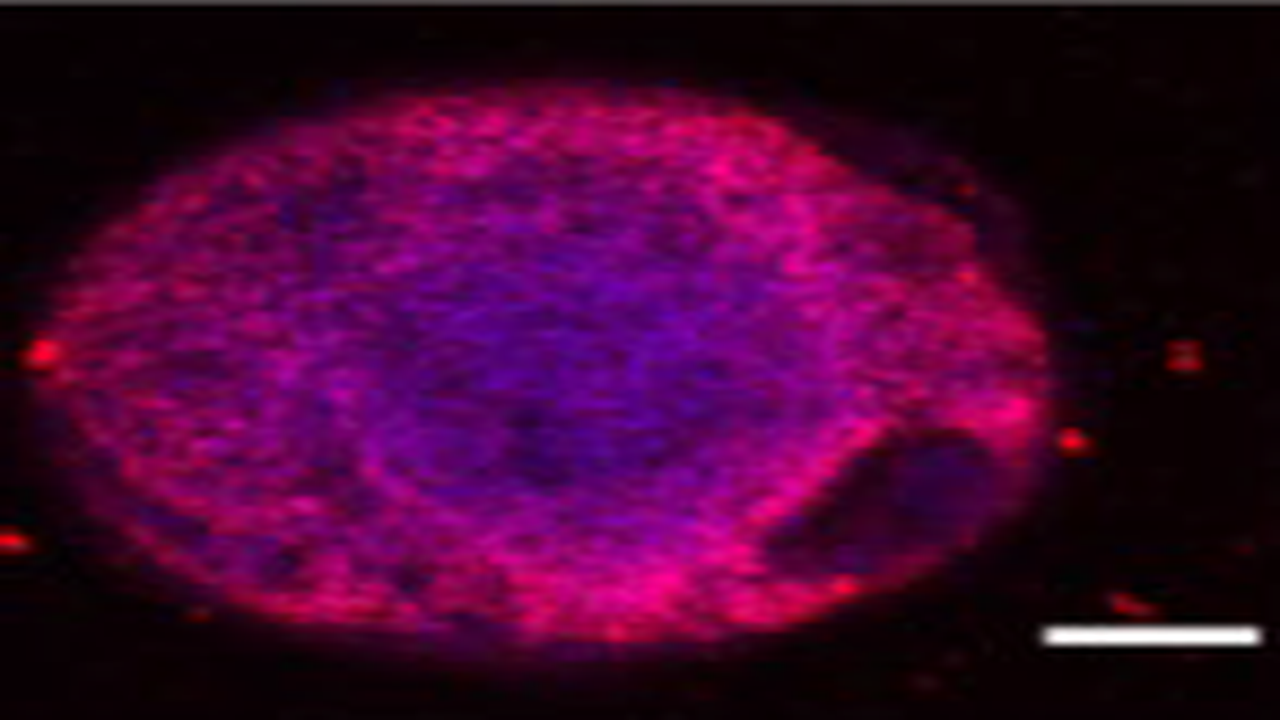
- Research in Cartilaginous Tissue Models: Studies have demonstrated that cartilaginous spheroids formed from human periosteum-derived cells maintain high cell viability and differentiation capacity even after bioprinting. This indicates the potential of 3D bioprinting to process living cells without damage and construct functional tissues.
- Poietis’ NGB-R LAB System: Poietis’s “Next Generation Bioprinting Systems (NGB-R) LAB” is introduced as an innovative multimodal 3D bioprinting platform. This system combines two advanced technologies: extrusion-based bioprinting (extruding bioinks containing cells) and laser-assisted bioprinting (precisely depositing cells with a laser). Furthermore, integrated robotics allow for the automated creation of various structures, from single cells to complex 3D spheroids.
Industry Impact and Future Outlook
The advancements in organoid and tissue development through 3D bioprinting are poised to bring revolutionary impacts across the life sciences sector:
- Innovation in Drug Discovery: By providing more realistic disease models, the efficiency and accuracy of drug screening will improve, leading to shorter development times and higher success rates. The ability to replicate complex tissue-tissue interactions is particularly advantageous for evaluating drug efficacy.
- Advancement of Personalized Medicine: Bioprinting patient-derived organoids enables personalized diagnostics and therapeutic development, allowing for predictions of individual patient responses to treatments.
- Cell Therapies and Regenerative Medicine: The capability to construct functional tissues and organs in vitro could lead to scaffold materials for cell therapies and, in the future, the development of transplantable artificial organs.
- Standardization and Reproducibility in Research: Automated and precise bioprinting promotes the standardization of research processes and enhances experimental reproducibility, thereby increasing the reliability of scientific discoveries.
This technology, born from the convergence of bioengineering, cell biology, and computational science, is expected to continue its rapid development, opening new frontiers in life science research and medical applications. The ability to engineer complex biological structures with unprecedented control is a key enabler for the next generation of advanced therapeutics and diagnostics globally.








Comments