Background
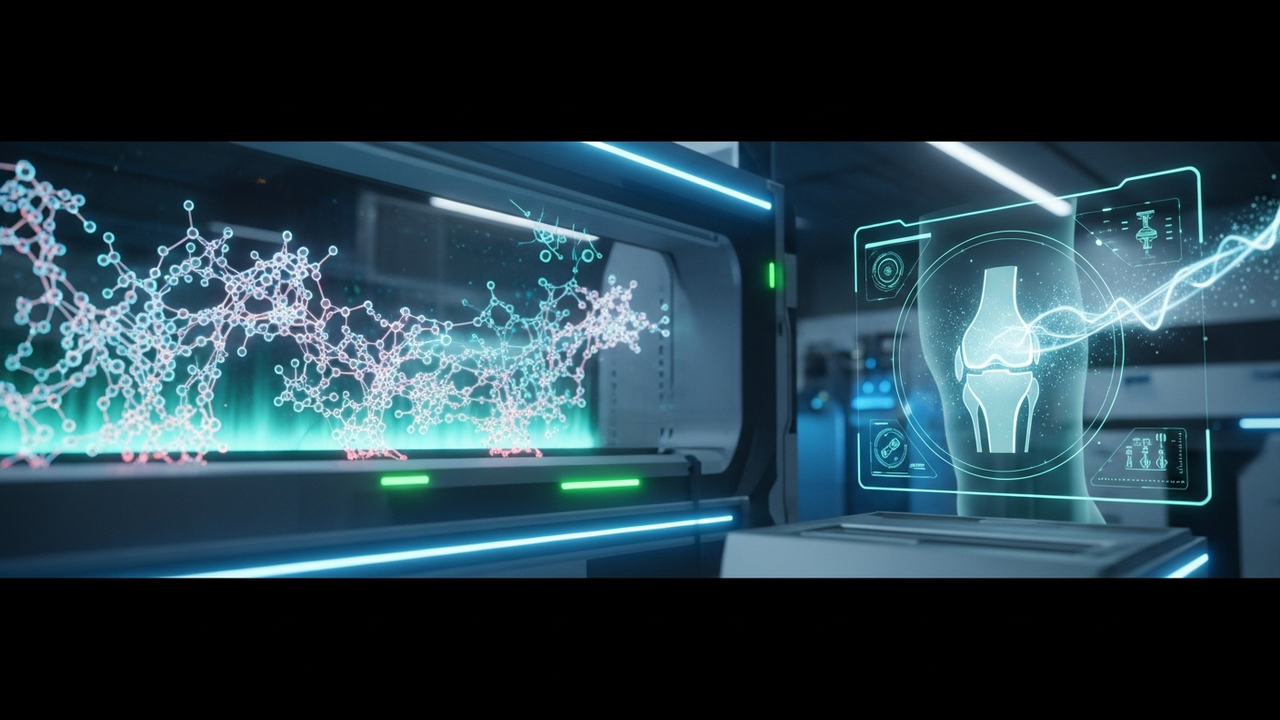
Regenerative medicine aims to restore the function of damaged tissues and organs through innovative therapies, experiencing accelerated research and development in recent years. Meniscus injuries in orthopedics are common ailments affecting a wide age range, and their treatment remains challenging. The meniscus plays a crucial role in knee joint stability and shock absorption; its damage elevates the risk of osteoarthritis. Furthermore, controlling T-cell function is essential for developing more effective and less toxic cellular therapies in the treatment of immune disorders and cancer.
Key Findings / Results
According to information from the Japan Agency for Medical Research and Development (AMED), on May 8, 2026, Fujifilm Toyama Chemical Co., Ltd. received manufacturing and marketing approval for “Saviskas Injection,” which is the first regenerative medical product for meniscus injuries in Japan. This product is expected to promote the repair of damaged menisci and contribute to the long-term maintenance of knee function. While detailed information on the specific cell type and mechanism of action is still anticipated, it represents a new therapeutic option for meniscus injuries. Concurrently, on May 7, 2026, a research team from the University of Tokyo announced the elucidation of the mechanism by which T cells are reprogrammed into regulatory T cells (Tregs)—cells critical for immune system regulation—via the Foxp3 gene. This is a fundamental discovery that enhances the potential for manipulating Treg cells in autoimmune diseases and cancer immunotherapy.
Technical Significance & Outlook
The approval of “Saviskas Injection” is a landmark event, signifying the practical implementation of a regenerative medicine product for meniscus injury in Japan. It holds the potential to significantly improve the quality of life for orthopedic patients by harnessing the body’s intrinsic repair capabilities through a cellular therapeutic approach. Meanwhile, the University of Tokyo’s elucidation of the Foxp3-mediated T-cell reprogramming mechanism represents a significant achievement in basic research, providing essential knowledge for the design and optimization of future immune cell therapies. Specifically, the precise manipulation of Treg cells to suppress or enhance specific immune responses could lead to breakthroughs in treating autoimmune diseases and developing more effective CAR-T cell therapies. These dual achievements underscore Japan’s advancements in both regenerative medicine and immunology, setting the stage for further applied research and clinical translation in these fields.
Source: https://www.amed.go.jp/news/seika/2026_seika_index.html




Comments