Key Findings
A data-driven analysis published by Patsnap on September 18, 2026, spotlights Selective Organ Targeting (SORT) Lipid Nanoparticles (LNPs) as a transformative technology designed for highly efficient, organ-specific delivery of nucleic acid payloads. This innovation, at the confluence of formulation chemistry and delivery biology, offers a potent solution to overcome the limitations of systemic drug administration, paving the way for more precise and effective therapies.
Technical/Clinical Details
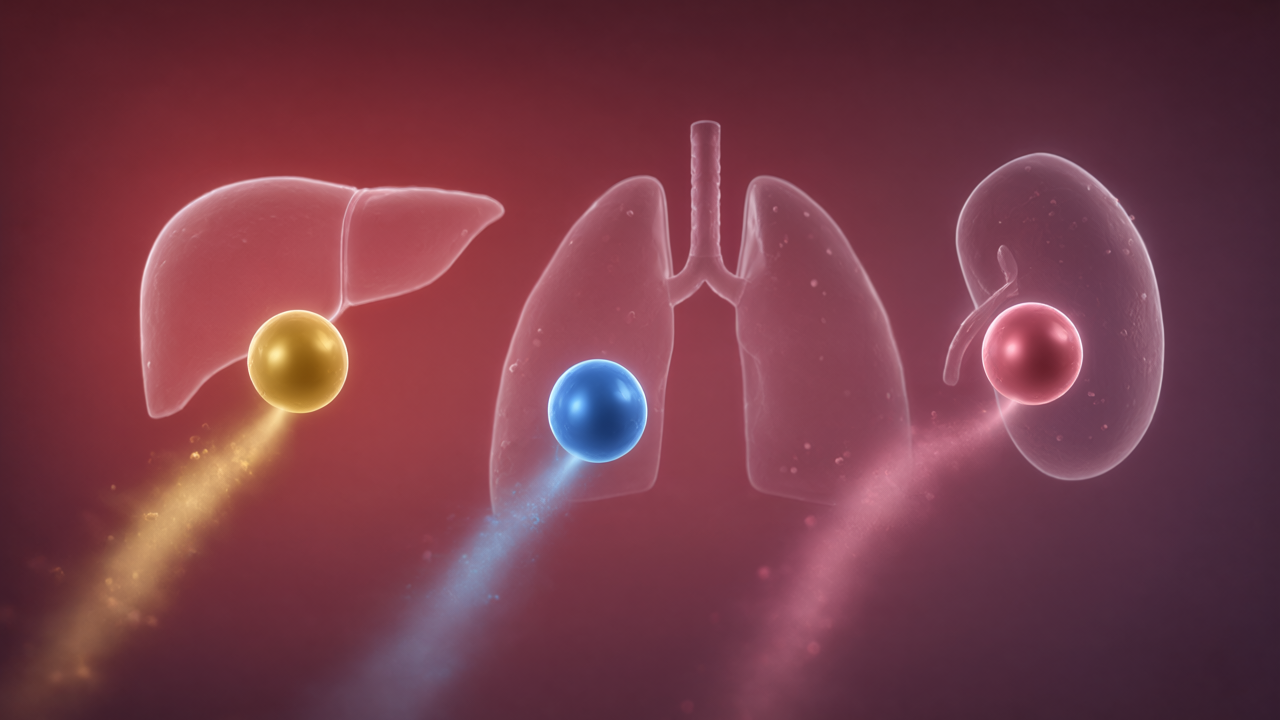
The core innovation of SORT LNPs lies in their unique composition and sophisticated delivery mechanism. While conventional LNPs typically comprise four lipid components, SORT LNPs incorporate a ‘fifth lipid component.’ By precisely adjusting the charge and ratio of this additional lipid, researchers can engineer the nanoparticles to achieve remarkable organ specificity. This tailored composition enables SORT LNPs to selectively interact with specific cell surface receptors in target organs—such as the liver, lung, and spleen—thereby concentrating the nucleic acid payload where it is most needed.
Key attributes include:
- Organ Specificity: Manipulating the lipid composition allows for targeted delivery to specific organs like the liver, lungs, and spleen.
- Versatile Nucleic Acid Cargo: Capable of encapsulating a wide array of nucleic acid payloads, including mRNA for vaccines and therapeutics, siRNA for gene silencing, and gene editing constructs like CRISPR.
- Precise Formulation Chemistry: The introduction of the fifth lipid component significantly enhances the precision of drug delivery, contributing to reduced off-target effects and maximized therapeutic efficacy.
The patent landscape indicates intense competition in this area, with numerous filings related to lipid compositions and organ-specific delivery methods, underscoring the strategic importance of this technology.
Background & Context
Nucleic acid-based therapeutics hold immense promise, but their clinical utility has been hampered by challenges in systemic delivery, including off-target effects and insufficient cellular uptake. Selective delivery to specific cells or organs is paramount for ensuring both safety and efficacy. SORT LNPs emerge as a powerful solution to this challenge, with broad applications anticipated across gene therapy, mRNA vaccines, and RNAi treatments, representing a critical advancement in the field of drug delivery systems.
Strategic Significance & Outlook
The continued advancement of SORT LNP technology is poised to instigate a paradigm shift in drug delivery. Future developments are expected to focus on designing even more refined lipid compositions and expanding targeted delivery to a wider range of organs, including the brain, heart, and kidneys, potentially unlocking new therapeutic avenues for previously untreatable diseases. Scaling up manufacturing processes and reducing production costs remain key challenges, but their resolution will enable broader access to these transformative nucleic acid medicines, ultimately benefiting a larger patient population globally.
Get our weekly technology intelligence — free
Receive an infographic that lets you judge at a glance whether each field’s analysis report is worth reading.
Subscribe Free — Weekly Tech Intelligence
By subscribing, you’ll receive Troy-Technical’s weekly technology intelligence newsletter.
- Your email and selected fields are used only to deliver the newsletter.
- We never share your information with third parties.
- You can unsubscribe anytime via the link in each email.
See our Privacy Policy for details.
Takes about a minute · Unsubscribe anytime





Comments