TECHNOLOGY EXPLAINER
Pharmacokinetics and Preclinical Studies
— Before asking whether a drug works, measure how much reaches its target and how long it remains
Before the drug is first given to humans,In and out of the body (pharmacokinetics)HomeSafetyThere is a determined procedure to check in the test tube and in the animal. Most of them are determined by international guidelines (ICH), and nowDirections to reduce animal testingContact Us and many difficulties in this field"Soluble", "Kush" and "Suck"It is a phenomenon that can be written in the words of the material.

- Pharmacokinetics and Pre- ical Trials (3 lines)
- ADME – four processes and four numbers in the body
- Half-life - "Remaining" determines the design of the administration
- Absorption is determined by “melting” and “commuting”
- Perspective of material ians 1: Become a “non-soluble drug” in one crystal form
- in vitro test – predicting the liver shardness and cell membrane
- in vivo test - ICH M3(R2) is determined
- First Human Dosage – Convert animal numbers to humans
- ICH S6(R1)
- Movement to reduce animal testing - Law, Authorities, Japan
- Material Technician Perspective 2: Testing Materials Change Data
- Undecided
- Glossary/Reference Materials/Reference Table
Facts= Contents described in the publication material (with source link)
The calculation of this paper= The value calculated based on the specified premise
Undetermined / Future= Items that are not able to confirm the results of the plan, goal, and、
In addition to this, it is possible to organize structures and read materials and process designs."Description"is distinguished.
About this articleExplanation of the mechanism of testing drug development and the accuracy of material technologyComment It does not handle the usage, dosage, effect, and safety of individual medicines, but it is not medical advice. Chapter 8 Dosage calculationFictitious al examples to understand how to convert regulatory guidanceand not the dosage of the drug.
1. Pharmacokinetics and Pre- ical Trials (3 lines)
- What is PK:Benet"What does the body do for medicine?"as a foundation for understandingClearance, distribution volume, half-life, bioavailability4 parametersFactsHome The back side of "What medicines do to the body"
- What is a previous clinical trial (non-)ical):Before clinical trials in humans,Test in vitro and in vivoComment: ICH M3 (R2) is a non-clinical safety assessment for approvalPharmacological testing, general toxicity testing, toxicokinetics and non-clinical drug testing, germ toxicity testing, genetic toxicity testingetc. is usually includedFacts
- What's happening:The law was revised in December 2022,Non- ical Trials(Cell test, organ tip, computer model, etc.) FDA April 2025,ing animal testingRoadmap is publishedFacts
Determines whether the candidate of the drug arrives to humans, not only the strength of the activity, but also the "melting, passing through the membrane, and how fast it disappears." and even in the test tube to predict it,The drug is sucked into the material of the apparatus and membrane, and the concentration of the appearance changes.written in both international guidelines and papersFactsHome Previous clinical trialsOne of the most common processes of material and process(This article explains).
2. ADME – 4 processes and 4 numbers in the body
The movement of the drug in the bodyAbsorption, Distribution, Metabolism, ExcretionInitialADMEis called. If the medicine is taken from the mouth, it is melted and absorbed by the gastrointestinal tract, enters the blood of the whole body through the liver, spreads to the tissue, and is metabolized by the liver, and it is extracted from kidneys and bile.
| Parameters | What does it mean? |
|---|---|
| Bioavailability | How quickly does it reach the whole body? ICH M9 is a biological equivalent descriptionBioavailability (speed and degree of drug absorption)Contact UsFacts |
| Clearance | Ability to get of drugs. How much volume blood the drug disappears per unit time |
| Distribution Volume | How much does the drug spread from the blood to the tissue side? The volume of dissolved volume |
| Half-life | Time until half of blood concentration (Chapter 3) |
How to choose 4 parametersFacts(Benet and Zia-Amirhosseini 1995) This article explains the right column.
3. Half-life ― “Remaining” determines the design of the dosage
For half-life, Toutain and Bousquet-Mélou encourages attention as follows:Facts。
"The end-phase half-life in plasma is the time until the plasma concentration is half after reaching the equilibrium, and it is not time until half of the dosage is lost."Facts
If the absorption is not normal, the half-life is"Complex parameters governed by the degree of plasma clearance and distribution"HOME If the absorption is normal speed, the half-life of the end phase is not lost but the speed of absorption is measured. flip flop). and half-life"Manage the degree of drug accumulation, concentration fluctuations, time to reach equilibrium"Therefore, it is especially important in the design of repeated administrationFacts。
SmithDecision factor for half-life and frequency of dosageHomeIn the same process, Log P is a base that makes the distribution volume larger than neutral s, and acidic s are less likely to be.FactsHomeAcid and Hydrophobic PropertiesThat is, the physical properties that are familiar to the chemists are directly linked to “how many times a day?” This article explains.
Determine the digit by assuming the simplest model (revoked at primary speed and considered as one uniform compartment)The calculation of this paper。
- How to reduce:Concentration is half per half-life. 50% at once, 25% at twice, 12.5% at 3 times, 6.3% at 4 times, and 5 times at 5 timesAbout 3.1%Close
- :When repeatedly administered at a certain interval, 50% at a half-life time, 87.5% for 3 times, and 5 times for the concentration of the steady state (with the amount of input and the amount of output)about 96.9%Close
- Distribution volume and clearance relationship:In this model, half-life = 0.693 × distribution volume ÷ clearance. T distribution volume 70 L / clearance 5 L / hour, 0.693 × 70 ÷ 5 = Approx. 9.7 hours。If the distribution volume is double, half-life is doubled
Premises and Limits:Many of the actual medicines contain multiple compartments, and they are also involved in absorption and sampling, so they are dis from this simple model. Number example (70 L, 5 L/h)This article was written in the sky.does not indicate a specific drug.
4. Absorption is determined by “melting” and “commuting”
International framework to organize the absorption of drinkers,Biopharmacology Classification System (BCS)Home ICH M9Solubility in WaterHomeMembrane permeability in intestinal tractdivided into fourFacts。
ICH M9AdditivesIt is also touched to avoid absorption. "Additives that can be absorbed include sugar alcohol (mannitol, xylitol, etc.) and surfactants (such as sodium lauryl sulfate)."HOME The impactAdditive content, effect mechanism, drug absorption characteristicsWe are looking for an in ring evaluation fromFacts。 It is not "the effect of the drug is determined only by the active ingredient", the material design of the preparation affects the number in the bodythat the regulatory document is clearly stated (in Japanese) This article explains.
Lipinski5 LawsHomeMore than 5 hydrogen bonding bases, more than 10 receptors, more than 500 weights, more than 5It is an experience rule that absorption and transmission are easy to understand in caseFactsHome As seen in this series "AI drug discovery and screening"Candidates designed by calculations are also affected by melting and metabolic speed.Yes.
5. From the viewpoint of material ians 1: "detoxifying drugs" in one crystal form
Lipinski et al predicts dissolution"In the development phase, the calculation of the dissolution is focused on accurate value prediction and difficult for polymorphism."I wroteFactsHome Even the sameIf the crystal is different, the melting is differentIt is.
The most famous example is the Anti-HIV Drug Litonaville. Bauer et al's paper describes the following:Facts。
- “In the summer of 1998, a new crystal-shaped ritona building that is much harder to melt, threatened the supply of Norvir’s semi-solid capsules.”
- Two crystal shapesHigh melting rateHome More stableType IIs are rare three-dimensional signage,Strong Hydrogen Bonding Network
- The nucleus generation of the type II crystal isIt is difficult to generate energy other than high concentrated solutions.Home HomeThe solution of high hypertension and uneven nuclear generation by the decomposition product were accidentally overlappedand suddenly appear
- as one of the measuresTests to detect trace species crystals sensitivelyDeveloped
This is for material engineersThe most familiar type of failure(This article explains). A more stable phase appears where it was commercialized in the product-stable phase, and it does not return to the original.Dutch It occurs in pharmaceutical products that are caused by crystallization of pigments and polymers and phase transition of battery materials. MoreUneven nuclear generation by microdecomposition product (impurity)HomeThe slightest change in the process determines the performance of the productStructure
“absorption” is the starting point of drug delivery.Crystal engineering, solid analysis (X-ray diffraction, solid NMR, etc.), additive design.We are starting from the field of material technology. In the formulation development of drugs that are difficult to dissolve,Technology of additives, crystallization and solventsYou can also read that it is in the position that affects the performance. This article explains.
6. in vitro test – predicting the liver shardness and cell membrane
Behavior in the body before administration to humansIn the test tubePredicting tests are formed. ICH M3(R2)Whole body exposure data for animal and human in vitro metabolic data and plasma protein binding data, animal species used for iterative toxicity testingHomeIn general, it should be evaluated before beginning clinical trials in humansFacts。
| Testing | System to use (description of guidelines) | See what |
|---|---|---|
| Membrane Transmittance | Caco-2 cells(a single layer of cells。 from human colon cancer). To indicate that the transmission is not dependent on the active transportation,Emission ratio (comparation of the transmission coefficient of the opposite direction and forward direction) less than 2Check that you are | ICH M9 |
| Human hepatic microsome(including CYP450 and UGT)at least 10 donor poolsRecommended), S9 pictures, cytosol, recombinant s, hepatic cells, etc. | How fast is the metabolized (ICH M12) | |
| Inhibition of s | Main CYP(CYP1A2、2B6、2C8、2C9、2C19、2D6、3A)Evaluate reversible inhibition and time-dependent inhibition | Do not disturb the integrity of other drugs (ICH M12). |
| Induction of Enzyme | Human liver cells. CYP1A2・2B6・3A4 mRNA is usuallyat least 6 timesCheck the sensitivity of the surface by touching it | Speed up the dissolution of other drugs (ICH M12). |
| Protein binding | Plasma protein binding. When you insert vitro results into a humanNon-binding (free) concentrationUse | How much you can actually work (ICH M3・M12) |
AllFacts(ICH M9 [Reference Material 2], ICH M12 [Reference Material 7], ICH M3 (R2) [Reference Material 8]). The column "w。 to see" is a plain。use by this article.
ICH M12The limitations of drug stability during incubation and non-specific bindings (e.g., apparatus, microsomes, and liver cells) can be difficult to interpret and in vitro.Contact UsFacts。
For this reason, it is possible to apply to clinicalActual free concentration in the test systemto useIt is desirable to seek nonspecific bonds in highly hydrophobic drugsInduction test, actual metering concentration in the medium by factors other than metabolism and transport.Less than 80% of the no concentrationIf this happens, we ask you to discuss the impactFacts。
7. in vivo test - ICH M3(R2) is determined
ICH M3 (R2) supports each stage of clinical trialsAny non- ical trial, at any timeA guideline that harmonizes what to do in Japan and the United States. Step 4) on June 11, 2009. In JapanFebruary 19, 2010"Guidance on the implementation of non-clinical safety tests for clinical trials and manufacturing and approval applications for pharmaceuticals" has been notified to.Facts。
| Longest period of clinical trials | Iterative toxicity test in rodents | Iterative toxicity test in non-dentures |
|---|---|---|
| 2 weeks | 2 weeks | 2 weeks |
| 2 weeks | Same period as clinical trials | Same period as clinical trials |
| Over 6 months | 6 months | 9 months |
AllFacts(ICH M3 (R2) Table 1 [Reference Material 8]) There are exceptions for each region. In principle2 types of mammal animals (including one type of teeth)It is assumed that the test period of humans is longer.
There are standards for human metabolites. M3(R2)More than 10% of total drug exposure in humans, and more significant than the maximum exposure in toxicity testingsearches for non-clinical characterization only, whichTo support Phase 3should be done. The drug with a dose of less than 10 mg a day is considered to have a larger proportionFacts。
8. First Human Dosage – Convert animal numbers to humans
M3(R2) estimates human initial dosage‘In general, NOAEL provides the most important information for non-clinical safety testing in the most appropriate animal species.FactsHome How to apply uto mg/kg to human mg/kg? FDA’s 2005 dance indicates its equivalentFacts。
- Size:The body surface area changes proportionally to the weight of 0.67, so the NOAEL (mg/kg) of the animal isCoefficient of each speciesCloseHuman equivalent dose (HED)Contact UsFacts
- Example of the coefficient (assuming 60 kg of human):Mouse12.36.2Sal3.1Home1.8Mini pig1.1Facts
- How to use:If there is no information about the validity of the species,HED is the lowest species (the most sensitive species)the most appropriate speciesFacts
- Safety Coefficient:HEDBy default10The maximum recommended starting dose (MRSD) is assigned. If you have any concerns, it will be small if you have a safe materialFacts
In the same 1 mg/kg, if the value of the uto is applied to the human as it is, the surface area is converted.About 6 timesIt will be a lot of quotation (to be divided by 6.2)The calculation of this paperHome danceBody surface area changes proportionally to the weight of 0.67the conversion premiseFactsHome Not per weightCan be enjoyed per areaThe idea is that engineers who think of heat transfer and particle surface area have a familiar idea. This article explains.
Premises and Limits:FDA guidance itself, depending on the medicineIf it is better to convert as it is with weight (mg/kg)The conversion method is not a ruleFacts。
ICH S6(R1)
ICH S6(R1)For species specificity and organizational specificity of biological activity, standard toxicity testing design in general animal species such as uto and dogs is often not builtFactsHome Antibodies and protein drugs may only be combined with human targets.
| Description of ICH S6(R1) | |
|---|---|
| Related animal species | 'Relevant animal species is a species that indicates pharmacological activity because the receptor or epitope (in the case of monoclonal antibodies) is expressed.'Home toxicity testing in unspecified speciesNot recommended because it can be mis ing |
| Number of species | NormalRelevant 2 typesinclude: However, if there is only one related species found,Add to cartHome |
| tic Toxicology | The range and type of genetic toxicity test that is usually performed in pharmaceuticalsNot required for biopharmaceu s(Except when there is concern such as combined organic linker) |
| Non-human primate | In the trial of non-human primates that are often limited to animals,Increase frequency and period of observationcan be supplemented. Influenced toxicity tests are non-human primatesOnly if it is the only related species |
AllFacts(ICH S6 (R1), original sentence 1997, supplementary relic, June 12, 2011 [Reference Material 10]). We handle the structure and manufacturing of antibody with this series of antibody medicine and ADC.
FDA December 2, 2025Reduce or minimize the toxicity test of non-human primates for a specific type of monoclonal antibody.The draft presentation has been published. The typical non-clinical program of monoclonal antibody has been presented.More than 100 non-human primatesand insteadRisk assessment of calculation toxicology, organoids, and actual human safety dataI want to incorporateFactsHome This guidance is positioned to complement the S6 supplementary guidance if determinedUndetermined / Future。
10. Movement to reduce animal testing – Law, Authorities, Japan
The 3R (Replacement: reduce pain/Reduction: Reduce/Re. ment: Reduce pain) has been introduced in international guidelines. ICH M3(R2)"Re) the use of animals according to the principle of 3R (reduction / improvement / replacement)"Contact UsFactsHome In the past few yearsLegal and Authorities Policy
| Time | ||
|---|---|---|
| December 29, 2022 | United States Council | Amended Article 505 of the Federal Food and Drug Cosmetics Act in Article 3209 "Replacement of Animal Testing" of the Public Act 117-328 (2023)."Pre-clinical trials including animal trials" has been replaced with "non-clinical trials"Non- icalin vitro, in silico, in chemico, or non-human in vivo testingas an exampleAnimal testing, such as cell testing, organ tip and bioimitation system, computer modeling, bioprinting, etc.Home |
| April 10, 2025 | FDA | Mono nal AntibodyPlan to disco e animal testing processes step by stepand published roadmap. IND ApplicationIm)ately encourage NAMs dataHome Roadmap for long term (3-5 years)Aiming to make an animal test an exception rather than standardClose |
| December 2, 2025 | FDA | The draft on the reduction of non-human primates for monoclonal antibody (Chapter 9) |
| 18 March 2026 | FDA | The draft for 'General Considerations for the Use of NAMs in Drug Development' (Verification of NAMs)4 Principles (context of use, human biological relevance, technical characterization, conformity to purpose)show. Do not use the drug discovery stage |
| April 20, 2026 | FDA | The first year of roadmap was announced.Migration from the endotoxin test from KabutoganiUpdates to support |
AllFacts(Reference Material 12), FDA presentation and roadmap [Reference Material 13-17] "3 to 5 years" of roadmap is a goal and does not indicate realizationUndetermined / Future。
In JapanAnimal Protection and Management Law Article 41However, when the animal is used for scientific use such as test research"Use things that can be substituted as much as possible, and take into account the proper use of animals by reducing the number of animals that can be used as much as possible."stipulated in paragraph 2How to avoid pain as much as possibleWe are looking forFactsHome About NAMsReduce the dependence of animal experiments by increasing predictability of human safety, efficacy and drug deliveryandNAMs Study Working Group established in PMDAIn cooperation with the National Institute of Pharmaceuticals and Food Hygiene / Japan Animal Experimental Alternative Law Evaluation Center (JaCVAM), industry and overseas regulatory authorities, we are looking forward to seeing you. On the other handThere are issues including acceptance of administrative authoritiesI'm also aware of the opinionFacts。
11. Material Technicians’ Perspective 2: Testing Materials Change Data
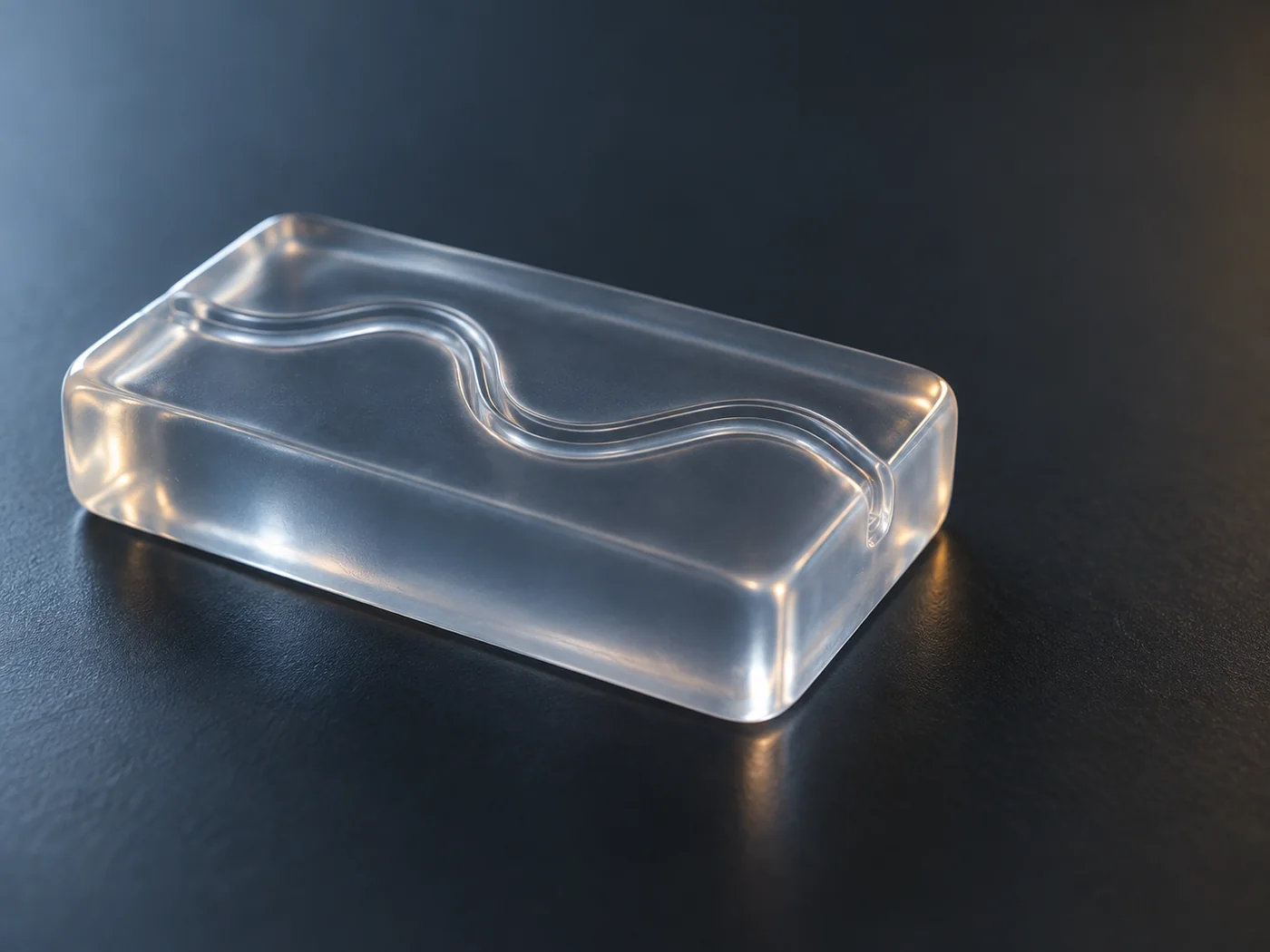
Examples of US law amendments"System chips and biomimetic system"FactsmoreSilicone rubber type PDMS (polydimethylsiloxane)made by: van Meer et al. investigates its weaknesses quantitativelyFacts。
- “PDMS is convenient for manufacturing, but it has the drawback that it can absorb low、s like drugs.”Home In the organ tip, it isEffective concentration of drugsContact Us
- Placed four types of cardiac agents on PDMS and tissue culture polystyrene (PDS), and measured the remaining drugs using HPLC.Auto Prizil reduces over 80% in 3 hoursHome Bella Pamil and Nifadipine S 20 to 50% moreAb ed and no difference in Bay K 8644
- Ab ingChange over timeResearch claims preliminary research.I didn't decide only the hydrophobic (Log P)Home suggested a relationship with topological polarity surface area
- SalesHydrophilic Coatingreduces the absorption partially,Cell presenceFixed free concentration
Calculation:When a drug is absorbed by 80% during the test, the concentration that cells actually receive is 20% or less of the no。 concentration. If you measure the concentration that starts to work,More than 5 times a weak drugto see 1 ÷ 0.2 = 5)The calculation of this paper。
ICH M12Non-specific binding to the instrumenttestFree concentration of actual measurementSeeking to useFacts。 The transition to a test that does not use animals increases the weight of “the test system itself is made of materials”(This article) Flow path material (PDMS or thermoplastic resin or glass), surface treatment, adhesive, tube, culture container — EverythingSuck, release, and catal drugsIt is possible. FDA named in draft guidance in March 2026"Technical characteristics evaluation (establishment of scientific reliability by stubborn, reliable and repeatable methods)"Factsfor material manufacturers"Is low data absorption and low e materials pulled by data?"Sorry, this entry is only available in Japanese.
12. Not confirmed
(1) How to replace animal testing
[1] The FDA's roadmap aims to 'eliminate' animal testing in the long term (3-5 years). [2] However, the guidance of NAMs in March 2026 is also 'humanized' by non-human primates in December 2025.DraftHomeIt is not confirmed when the test is replaced in any country or region.Undetermined / FutureHome NAMs could be imported into the ICH guidelines.Undetermined / Future。
(2) Number of predictions for animal testing
FDA announcements and roadmaps"More than half of drugs passed through animal testing do not reach FDA approval."repeat the purposeFactsHome This isNumbers indicated as the opinion of the authoritiesTherefore, because the effectiveness, safety, and business judgment are mixed for reasons not to be approved,It is not handled in this article as a value that directly indicates the predictability of animal testing(This article)
(3) Materials standard for organ tip
The primary information indicating which material and surface treatment are standard for the absorption problem of PDMS could not be confirmed within the scope of this article.Undetermined / Future。
- The foundation of pharmacokinetics is four numbers.Clearance, distribution volume, half-life, bioavailabilityFacts
- Concentration is about 3% in half-life 5 times and about 97% in steady state in repeated administration(simple model)The calculation of this paper
- Absorption is classified by two axis of "melting" and "commuting".High melt rate is less than 250 mLFacts
- It is a drug that does not melt in one crystal form.Litonaville threatened supply in 1998Facts
- The nontoxicity of animals is converted in the body surface area, and by default it is divided by safety factor 10.Facts
- "The U.S. regulates 'non-clinical' by law, and the FDA sets the goal to reduce animal testing"Undetermined / Future
- The PDMS organ tip has an example of a drug sucked over 80% in 3 hours.The test material changes dataFacts
13. Glossary
- Drug Delivery (PK)
- What does the body do against the drug? Timely passage of absorption, distribution, and excretion.
- ADME
- Initial character of absorption, distribution, and excretion. 4 processes of medicine in the body.
- Bioavailability
- It is about the speed of the drug to reach the whole body.
- Clearance
- Ability to get of drugs. The volume of blood that is removed by the drug per unit time.
- Distribution Volume
- The volume of the drug is expressed how much the drug spreads to the tissue.
- Half-life
- Time until the blood concentration is half after reaching the equilibrium of the appearance.
- Contact Us
- Repeated doses allow the amount of input and the amount of output.
- BCS
- Biopharmacology classification system. Dissolve and membrane permeability.
- Caco-2 cells
- cells from human colon cancer. Evaluate the permeability of the intestines in a single layer on the membrane.
- Hepatic Microsome
- Films obtained from cells of the liver. Contains metabolic s such as CYP.
- CYP(Citromium P450)
- Enzyme group that plays oxidative。 of many drugs.
- Crystal polymorphic
- Crystalline of the same molecule is different. The melting rate may change.
- NOAEL
- toxicity. Maximum dose not affected by harmful effects in toxicity testing.
- HED
- Human equivalent dose. A value that converts the dose of the animal to humans in the body surface area.
- MRSD
- Maximum recommended starting dose. The upper limit of the amount given to humans for the first time.
- Microdoses
- A method of testing the body’s blood pressure with a small amount of pharmacological action (e.g., 100 μg or less).
- Related animal species
- Animal species in which biopharmaceu s show pharmacological activity.
- 3R
- [Animal, reducing and reducing animal testing.
- NAMs
- New approach methodology. A generic term for methods that do not use animals such as in vitro, in silico, in chemico.
- PDMS
- Polydimethylsiloxane. Silicone resin used for flow paths of organ chips.
14. Reference Materials
- Benet, L.Z., Zia-Amirhosseini, P.「Basic principles of pharmacokinetics」Toxicologic Pathology 23(2), 115–123 (1995). doi:10.1177/019262339502300203 — pubmed.ncbi.nlm.nih.gov
- ICH“M9: Biopharmaceutics Classification System-Based Biowaivers” Final version, November 20, 2019 (PDF) — database.ich.org
- Toutain, P.L., Bousquet-Mélou, A.「Plasma terminal half-life」Journal of Veterinary Pharmacology and Therapeutics 27(6), 427–439 (2004). doi:10.1111/j.1365-2885.2004.00600.x — pubmed.ncbi.nlm.nih.gov
- Smith, D.A., Beaumont, K., Maurer, T.S., Di, L.「Volume of distribution in drug design」Journal of Medicinal Chemistry 58(15), 5691–5698 (2015). doi:10.1021/acs.jmedchem.5b00201 — pubmed.ncbi.nlm.nih.gov
- Lipinski, C.A., Lombardo, F., Dominy, B.W., Feeney, P.J.「Experimental and computational approaches to estimate solubility and permeability in drug discovery and development settings」Advanced Drug Delivery Reviews 46(1-3), 3–26 (2001). doi:10.1016/S0169-409X(00)00129-0 — pubmed.ncbi.nlm.nih.gov
- Bauer「Ritonavir: an extraordinary example of conformational polymorphism」Pharmaceutical Research 18(6), 859–866 (2001). doi:10.1023/A:1011052932607 — pubmed.ncbi.nlm.nih.gov
- ICHM12: Drug Interaction Studies Final version, May 21, 2024 (PDF) — database.ich.org
- ICH“M3(R2): Advanced Non-Traditional Safety Studies for the Conduct of Human Clinical Trials and Marketing Authorization for Pharmaceuticals” June 11, 2009 Step 4 (PDF) — database.ich.org
- Pharmaceutical Medical Devices (PMDA)"ICH-M3 Period of Non- ical Trials for Clinical Trials" (in Japan, February 19, 2010, etc.) — pmda.go.jp
- ICH"S6(R1): Preclinical Safety Evaluation of Biotechnology-Derived Pharmaceuticals" original text, July 16, 1997, supplementary relic, June 12, 2011 (PDF) — database.ich.org
- FDA(CDER)“Guidance for Industry: Estimating the Maximum Safe Starting Dose in Initial Clinical Trials for Theticseutics in Adult Healthy Volunteers” (PDF) — fda.gov
- United States Council"Public Law 117-328 (Consolidated Appropriations Act, 2023)" Sec. 3209 Animal Testing Alternatives, December 29, 2022 — govinfo.gov
- FDAFDA Announces Plan to Phase Out Animal Testing ment for Mono nal Antibodies and Other Drugs fda.gov
- FDA“Roadmap to Re) Animal Testing in Pre)ical Safety Studies” April 2025 (PDF) — fda.gov
- FDA“FDA Releases Draft Advanced Non-Human Primates Re-Testing for Mono-specific Antibodies” December 2, 2025 — fda.gov
- FDAFDA Releases Draftancedance on Alternatives to Animal Testing in Drug Development fda.gov
- FDA“FDA Achieves Year 1 Goals in Re-Animal Testing in Drug Development” April 20, 2026 — fda.gov
- e-Gov Legal SearchArticle 41 of the Act on the Protection and Management of Animals (Law 105 of 48) — laws.e-gov.go.jp
- Pharmaceutical Medical Devices (PMDA)「New Approach Methodologies:NAMs」 — pmda.go.jp
- van Meer「Small molecule absorption by PDMS in the context of drug response bioassays」Biochemical and Biophysical Research Communications 482(2), 323–328 (2017). doi:10.1016/j.bbrc.2016.11.062 — pmc.ncbi.nlm.nih.gov
15. Response Table of Claim and Sources (Audit)
| Content | Home | |
|---|---|---|
| Defining the pharmacokinetics as "What does the body do to the drug", treating absorption, distribution, and loss, and four parameters that are the foundation of understanding are clearance, distribution volume, half-life, and bioavailability. | Benet and Zia-Amirhosseini (1995)[Reference 1]https://pubmed.ncbi.nlm.nih.gov/7569664/ | Facts |
| Bioavailability is described as "speed and degree of drug absorption". BCS separates the drug into four classes with dissolution and intestinal permeability. Defining high dissolution level (classified in the lowest dissolution rate, where the maximum one dose is fully dissolved in water-based media below 250 mL at pH 1.2 to 6.8, 37±37°C). High-transmittance definition (e.g., absolute bioavailability of 85% or more), and check the evaluation of Caco-2 cells and emissions ratio of less than 2 As an additive that can be absorbed, it refers to sugar alcohol (mannitol, betitol) and surfactant (s lauryl sulfate), and it is called to evaluate it inferentially from the amount, mechanism, and absorption characteristics. Adopted on November 20, 2019 | ICH M9[Reference 2]https://database.ich.org/sites/default/files/M9_Guideline_Step4_2019_1116.pdf | Facts |
| It is a time when the concentration is half after the equilibrium of the end phase half-life, and the half of the dosage is not time to disappear, if the absorption is not normal, it is a compound parameter governed by the degree of clearance and distribution, the flip flop at the absorption speed, the degree of concentration accumulation, the degree of concentration change, and the equilibrium reach time | Toutain and Bousquet-Mélou(2004)[Reference 3]https://pubmed.ncbi.nlm.nih.gov/15601438/ | Facts |
| The distribution volume is a determining factor that determines the half-life and frequency of administration, the base is larger than the neutral, and the acidic tends to be small | Smith et al (2015)[Reference 4]https://pubmed.ncbi.nlm.nih.gov/25799158/ | Facts |
| "5 Laws" (Hydrogen-binding bases 5 or more, receptors 10 or more, 。 weight 500 or more, and calculation Log P 5 or more are easily absorbed and transmitted.) Dissolution calculation of the development stage focuses on accurate value prediction and difficult for polymorphism | Lipinski et al (2001)[Reference 5]https://pubmed.ncbi.nlm.nih.gov/11259830/ | Facts |
| A new crystal-shaped ritona building that is much harder to melt in the summer of 1998, the supply of Norvir semi-solid capsules has been threatened, the two polymorphic dissolutions are large, the three-dimensional ligand and a strong hydrogen-binding network that is rare in the type II, and the II-shaped nuclear generation is not possible except high hypertension.” | Bauer et al (2001)[Reference Material 6]https://pubmed.ncbi.nlm.nih.gov/11474792/ | Facts |
| In vitro systems used for metabolic evaluation (recommended pools of at least 10 donors, including human hepatic microsomes (CYP450 and TT), S9, cytosol, recombinant s, hepatic cells). Reversible and time-dependent inhibition evaluation of the primary CYP (1A2, 2B6, 2C8, 2C9, 2C19, 2D6, 3A). CYP1A2, 2B6, 3A4 mRNA with positive contrast is usually at least 6 times in the induction test. Using free concentrations in the insert. The limits of stability during incubation, nonspecific bonds to instruments, microsomes, and hepatocellular cells are difficult to test, and in highly hydrophobic drugs it is desirable to seek nonspecific bonds in experiments, and if the actual concentration in the medium is less than 80% of the name. May 21, 2024 | ICH M12[Reference Material 7]https://database.ich.org/sites/default/files/ICH_M12_Step4_Guideline_2024_0521.pdf | Facts |
| [Scope of testing included in non-clinical safety evaluation for approval. The purpose of reducing animal use according to the principle of 3R (reduction / improvement / replacement). Preliminary evaluation of the in vitro metabolic and plasma protein binding data and systemic exposure data of animals and humans, and general information on interaction with ADME in test animals should be prepared in three phases. In cases where human metabolites are significantly more than 10% of total exposure and more significant than toxicity tests, non-clinical evaluation is performed to support the third phase, treating drugs less than 10 mg a day. Do the core battery of safety pharmacology (cardio , central nervous system, breathing) before human exposure. The principle of the period of the iteration toxicity test (Table 1) and two types (one is non-dentures). toxicity (single dose is a test of mutations of genes, iteration is an additional evaluation of chromosome damage, and a set of precedents). NOAEL is the most important information in the estimate of human initial dosage. Microdoses (e.g., 100 μg or less of NOAEL). Step 4 June 11, 2009 | ICH M3(R2)[Reference 8]https://database.ich.org/sites/default/files/M3_R2__Guideline.pdf | Facts |
| M3 (R2) in Japan was shown as ‘Guidance on the implementation of non-clinical safety tests for clinical trials and manufacturing and marketing approval applications for pharmaceutical products’ on February 19, 2010. | PMDA ICH-M3[Reference 9]https://www.pmda.go.jp/int-activities/int-harmony/ich/0034.html | Facts |
| In many biopharmaceuticals, standard toxicity tests such as the Ames test and the mouse bioassay are often not designed for specificity and tissue specificity. The definition of related animal species and the toxicity test in unrelated species are missing, usually two species may be enough in one species. The normal genetic toxicity test is not necessary for biopharmaceuticals (cases of concern such as organic linkers). The frequency and period of observation in non-human primate tests are limited to the only related species. July 16, 1997 | ICH S6(R1)[Reference Materials 10]https://database.ich.org/sites/default/files/S6_R1_Guideline_0.pdf | Facts |
| Conversion based on body surface area changes proportionally to weight by 0.67, the coefficient for each species (assuming mouse 12.3, dog 6.2, rabbit monkey 3.1, dogs 1.8, mini pig 1.1, human 60 kg), HED being the lowest sensitivity species and the most appropriate species by default, with a default safety factor of 10 and its increment, and equivalent mg/kg. July 2005 | FDA dance (MRSD)[Reference Materials 11]https://www.fda.gov/media/72309/download | Facts |
| [Article 117-328, Article 3209 of the Public Act on December 29, 2022 revised Article 505 of the Federal Food and Drug Cosmetics Act and replaced 'pre-clinical trials including animal trials' with 'non-clinical', definition and example of non-clinical trials (veterinary trials, organ chips and bioimitation systems, computer modeling, bioprinting, etc.)'] | Public Law 117-328[Reference Material 12]https://www.govinfo.gov/content/pkg/PLAW-117publ328/html/PLAW-117publ328.htm | Facts |
| [1] To immediately encourage NAMs data submission in the IND application, which announced a plan and roadmap to phase out animal testing requirements with monoclonal antibodies on April 10, 2025. | FDA Announcement (April 10, 2025)[Reference 13]https://www.fda.gov/news-events/press-announcements/fda-announces-plan-phase-out-animal-testing-requirement-monoclonal-antibodies-and-other-drugs | Facts |
| Aim to make an animal test an exception rather than the standard of pre ical safety and toxicity testing in the long term (3-5 years). Explanation that more than of drugs found safe and effective in animals do not reach FDA approval | FDA Roadmap[Reference 14]https://www.fda.gov/files/newsroom/published/roadmap_to_reducing_animal_testing_in_preclinical_safety_studies.pdf | Undetermined / Future |
| [2] On December 2, 2025, published draft guidance to eliminate or reduce the non-human toxicity test of six months with a specific type of monoclonal antibody, using more than 100 non-human primates in a typical non-clinical program, incorporating risk assessments that integrate computational toxicology, organoids, and actual human safety data, and supplementing the S6 supplementary guidance if confirmed. | FDA Presentation (December 2, 2025)[Reference Materials 15]https://www.fda.gov/news-events/press-announcements/fda-releases-draft-guidance-reducing-testing-non-human-primates-monoclonal-antibodies | Facts |
| On March 18, 2026, NAMs has published draft guidance on validity checks, which does not handle the use of context, human biological relevance, technical characterization, and purpose conformity. | FDA Announcement (March 18, 2026)[Reference 16]https://www.fda.gov/news-events/press-announcements/fda-releases-draft-guidance-alternatives-animal-testing-drug-development | Facts |
| [3] On April 20, 2026, the first year of the roadmap was announced, and the dance update that supports the transition from the endotoxin test to cabtagani, and more than half of the drugs passed through the animal test were not FDA approved. | FDA (April 20, 2026)[Reference Materials 17]https://www.fda.gov/news-events/press-announcements/fda-achieves-year-1-goals-reducing-animal-testing-drug-development | Facts |
| Consider the reduction of the number of use and use of animals that may be replaced by the use of animals for scientific use ( 41, paragraph 1), as far as possible by methods that do not cause pain () 2) | e-Gov Legal Search Animal Protection and Management Law[Reference Materials 18]https://laws.e-gov.go.jp/law/348AC1000000105 | Facts |
| [4] NAMs expects to increase the predictability of human safety, efficacy, drug delivery, etc., to reduce the dependence on animal experiments, to establish NAMs review working group in PMDA, to cooperate with JACVAM, industry, and overseas regulatory authorities, and to understand that there is a problem with government authorities. | PMDA NAMs[Reference Materials 19]https://www.pmda.go.jp/review-services/0071.html | Facts |
| PDMS absorbs low drugs, such as drugs, a type of cardiac agent, verapamil reduced by 80% in 3 hours, berapamil and niphedipine absorbed by 20 to 50% more than PDMS, Bay K 8644 was not different, the absorption suggested a relationship with the topological surface area, the presence of hydrophobic coating and cells was absorbed by time-dependent | van Meer et al (2017)[Reference Materials 20]https://pmc.ncbi.nlm.nih.gov/articles/PMC5240851/ | Facts |
| Concentration remaining at half-life: 1–5 times (50%, 25%, 12.5%, 6.3%, 3.1%), reaching steady state (50%, 87.5%, 87.5%, 93.8%, about 96.9%). Distribution volume 70 L / Clearance 5 L / half-life 9.7 hours in an empty case. Approx. 0.4 mg/mL, 2 mg/mL in a fictional example of 100 mg/500 mg once. 5.6 50 mg/kg/inu 10 mg/kg hollow NOAEL to HED about 8.1/5.6 mg/kg, MRSD about 0.56 mg/kg, about 33 mg at 60 kg. If the value of T is applied as it is, it is about 6 times the overestimation. 80% absorbed to see more than 5 times | 。ulation of this article. Primary speed, 1 compartment model, hollow distribution volume, clearance, dosage, NOAEL is the premise of this article, and it is not a recommended dose even if it is a specific drug. | The calculation of this paper |
| When will the animal test be replaced? Import NAMs into ICH guidelines. Chip Material Standard | The primary information to be confirmed at the time of the survey (September 2026) was not confirmed. FDA related documents are draft | Undetermined / Future |
| Decision that "over90% is not approved" is not handled as a direct indicator of predictability of animal testing | The number shown as the opinion of the authorities, and the reason not to be approved is mixed, so it is distinguished as a commentary in this article | |
| Parameters are expressive. I read the lytona building as a phase of phase and a stable phase. Read that formulation materials move numbers in the body. Contains a scaling of area and volume. Testing the possibility of sucking, release, and catalysis of the drug by the material used in the test, and reading to the material manufacturer. BCS Figure 4 / Figure 6 | Publication and commentary of this article based on the publication content. It is not the opinion that the author of each guidelines, authorities, and papers gave birth | |
| Dosage, effects and safety of individual drugs | This article is not an explanation of the test mechanism. Chapter 8 is a fictional example that shows the conversion method | |
| Figure 1 - Figure 6 is a diagram for explanation, not the actual organ, device, and data. Hero image and figure 7 must be an AI generation image | Notes by this article |
Last updated: September 26, 2026/Source is limited to primary information (ICH guidelines, FDA guidance and presentations, U.S. public law, e-Gov laws, PMDA publications, and reader review papers). They are distinguished from the facts that have been sourced as "explanation" because they include test design and read on materials. In the period of the replacement of animal testing, the import of NAMs to ICH, and the standard of organ chip materials, the primary information to indicate the finalization was not confirmed, so it is "undetermined / future". The guidance of the FDA in December 2025 and March 2026 is draft. This article is an explanation of the test mechanism,It is not intended to evaluate and recommend the effects, safety, and dosage of the treatment, but not medical advice. All diagrams are illustrations for explanation. Fig. 1 - Fig. 6 is a vector drawing, and Fig. 7 is an AI-generated image.No actual organs, devices, or data.