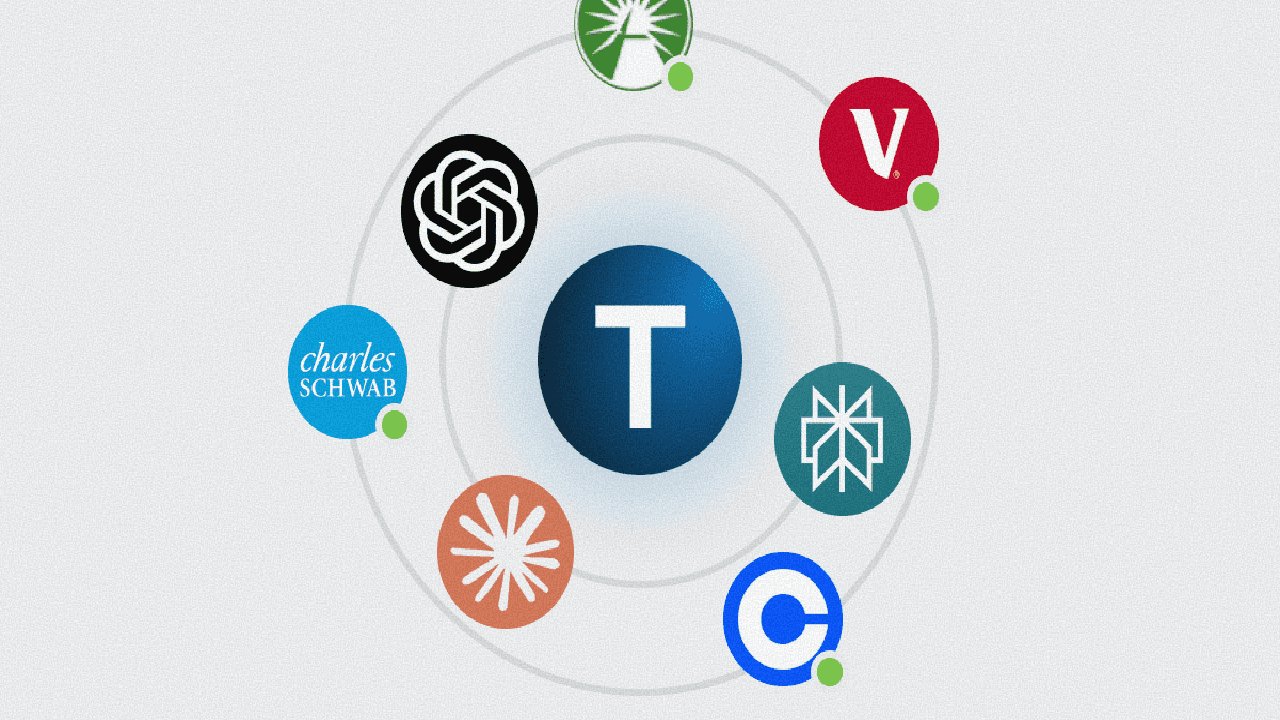
Background: The Challenge of AI Agent Data Connectivity
The effectiveness of AI agents hinges on their ability to access and interact with real-world data and external tools. Prior to the widespread adoption of standardized protocols, each AI agent or platform often required custom-built connectors and integrations to communicate with various APIs, databases, and enterprise systems. This bespoke approach created significant development overhead, compatibility issues, and security concerns, severely limiting the scalability and practical deployment of AI agents across diverse applications. The Model Context Protocol (MCP) was developed to address this fragmentation by providing a universal, standardized interface for AI agent connectivity.
Key Findings: MCP’s Rapid Adoption and Impact
- Universal Interface for AI Agents: The MCP Protocol serves as a universal interface, enabling AI agents to seamlessly connect to a vast array of external tools and data sources. This standardization ensures that agents can operate across different environments without requiring proprietary integration layers for each new connection.
- Industry-Wide Adoption: Major players in the AI industry, including OpenAI and Google, have adopted MCP, signaling its recognition as a critical infrastructure component for the future of AI. This widespread endorsement accelerates its acceptance as the de facto standard.
- Elimination of Custom Connectors: One of MCP’s most significant benefits is eliminating the need for individual AI companies to develop and maintain unique connectors for every target system. This dramatically reduces development costs, speeds up deployment times, and frees up engineering resources.
- Standardized Access to Live Data: With MCP, AI agents can access live, real-time data from various sources in a standardized and efficient manner. This is crucial for applications requiring up-to-date information, such as financial trading, dynamic logistics, or personalized customer service.
- Massive Deployment Metrics: Evidence of MCP’s rapid and extensive adoption is provided by the Linux Foundation. As of early 2026, there are over 10,000 public MCP servers actively operating globally, and the protocol’s Software Development Kit (SDK) has seen tens of millions of monthly downloads. These figures underscore the protocol’s indispensable role in the current AI ecosystem.
Significance & Outlook: Paving the Way for Advanced AI Applications
The widespread adoption of the MCP Protocol marks a pivotal moment in the evolution of AI agent technology. By standardizing how AI agents interact with the external world, MCP removes significant technical barriers, accelerating the development, deployment, and scalability of advanced AI applications. This means developers can focus on building more intelligent agent behaviors rather than on complex integration challenges. The sheer volume of MCP servers and SDK downloads indicates a robust and growing ecosystem that will continue to drive innovation. In the long term, MCP will be foundational for creating a truly interconnected network of AI agents that can collaborate, share information, and perform complex tasks across distributed systems, ushering in an era of more capable, versatile, and impactful AI solutions across all industries.
Source: https://truthifi.com/education/state-of-mcp-2026-ai-agents-custom-connectors









Comments