Background
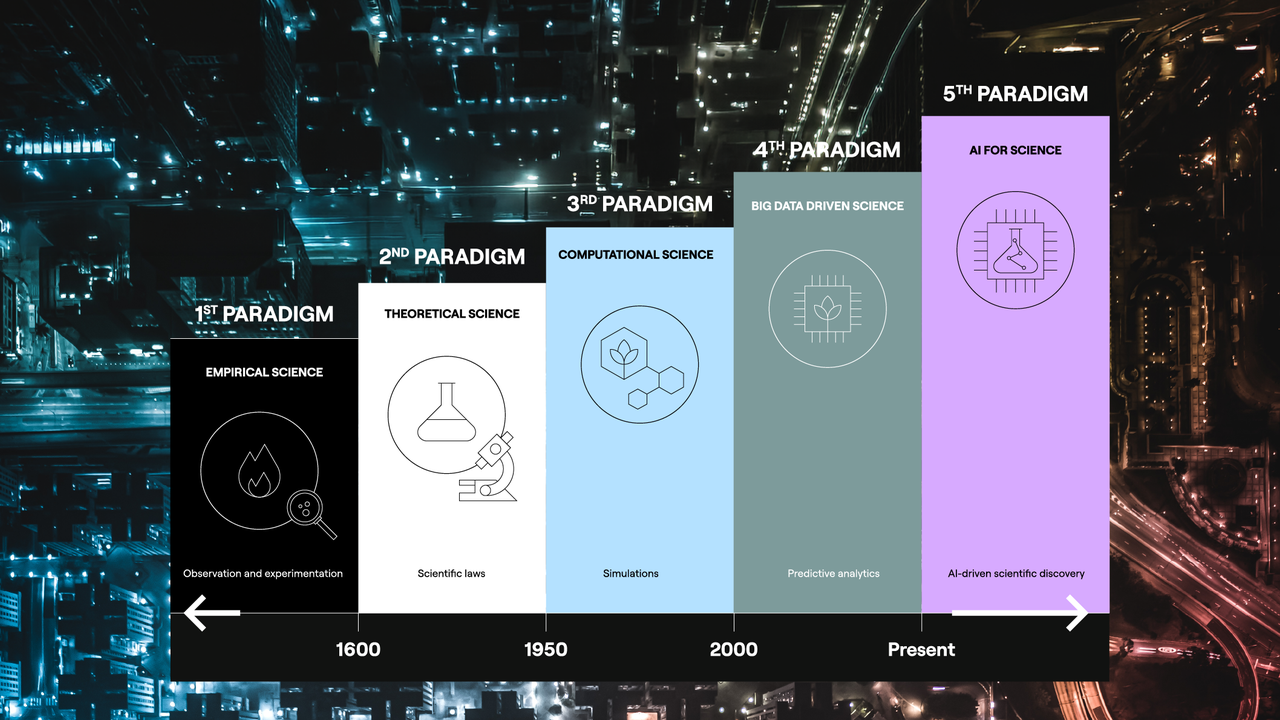
Materials science is a cornerstone for tackling pressing global challenges such as climate change, energy security, and resource sustainability. Historically, scientific discovery has progressed through empirical observation, theoretical frameworks, computational modeling, and data-driven methods. Artificial intelligence is now emerging as the ‘fifth paradigm’ in scientific inquiry, offering unprecedented capabilities. Traditional materials discovery processes are inherently time-consuming and expensive. AI is poised to disrupt these bottlenecks by enabling significantly faster and more efficient innovation. Topsoe’s proactive stance highlights the accelerating industrial adoption of AI, effectively bridging the gap between academic research and practical, scalable applications.
Key Findings
Topsoe, a leading Danish firm in chemical catalysts, has formally designated Artificial Intelligence as the ‘fifth paradigm’ in materials science, marking a pivotal strategic shift towards AI-driven innovation. This transformative approach integrates both predictive and generative AI systems to dramatically accelerate the discovery and design of novel materials, with the explicit goal of substantially shortening industrial innovation cycles.
Technical Details
Topsoe’s AI initiatives are strategically concentrated across three mission-critical domains: heterogeneous catalysis, high-temperature electrolysis, and advanced battery technologies. These fields are paramount for enhancing energy conversion and storage efficiency, directly supporting global sustainability objectives. AI models harness extensive existing datasets and sophisticated simulation results to predict and generate novel material structures and compositions. This capability allows for the exploration of experimental design spaces vastly exceeding the limitations of conventional trial-and-error methodologies. Consequently, it accelerates the identification of promising material candidates and significantly increases the probability of discovering materials with unforeseen or optimized functionalities. The AI-driven framework further optimizes experimental design, automates complex data analysis, and delivers substantially more accurate predictions of material properties.
Strategic Significance & Outlook
The overarching success of Topsoe’s AI strategy is critically contingent upon several factors: the quality and volume of proprietary data collected, the effective management of potential AI model biases, and the rigorous experimental validation of all AI-generated material candidates. Future endeavors will prioritize the development of even more sophisticated AI models, enhancing seamless integration with autonomous experimental platforms, often referred to as ‘self-driving labs,’ and rigorously demonstrating the tangible, real-world impact of these AI-accelerated discoveries. This ambitious undertaking is anticipated to contribute significantly to the development of groundbreaking material solutions essential for a truly sustainable society.