Key Findings
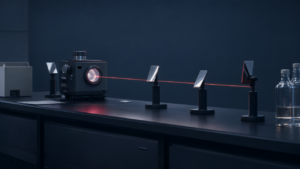
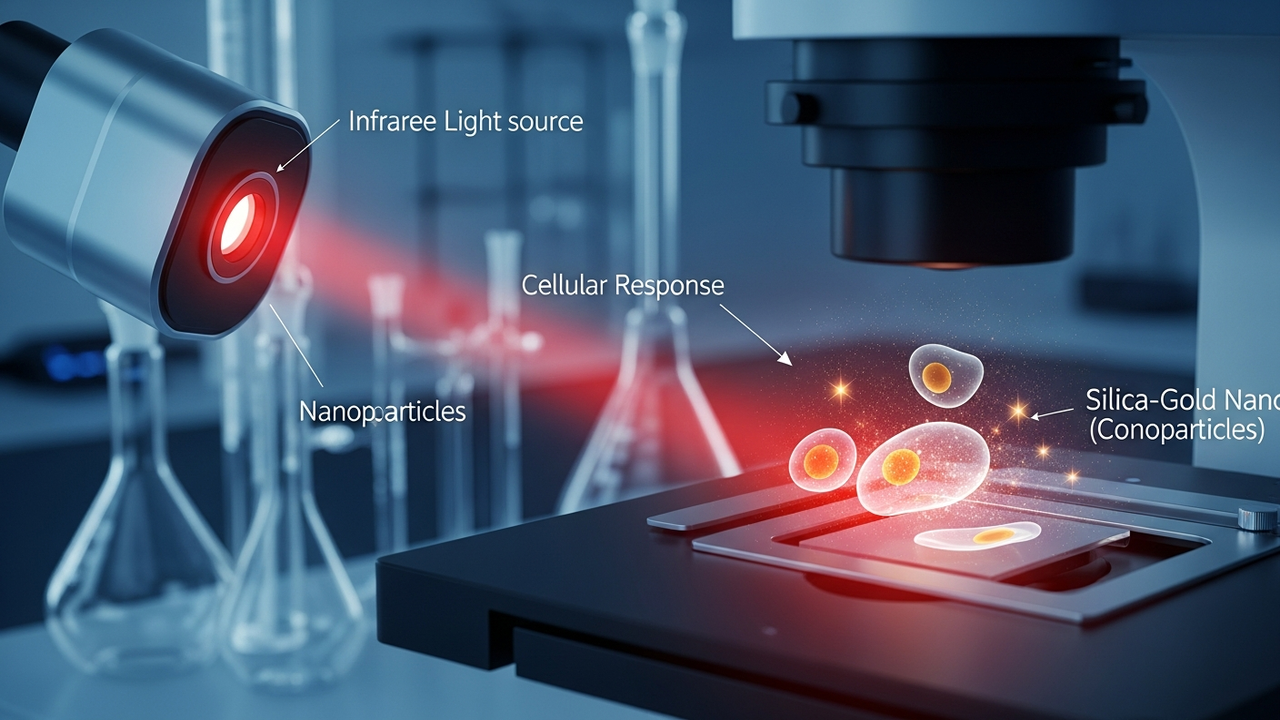
An in vitro study on the combined effects of infrared (IR) waves and silica-gold nanoparticles (AuNPs) on breast cancer cells has been published, revealing that this combination, utilizing plasmonic photothermal therapy (PPTT), effectively inhibits breast cancer cell proliferation. The mechanism involves AuNPs inducing localized overheating (hyperthermia) upon IR irradiation, which in turn causes damage to the cancer cells. This achievement marks a significant step towards developing targeted, non-invasive breast cancer treatments.
Technical and Clinical Details
Plasmonic photothermal therapy leverages the unique property of gold nanoparticles to absorb specific wavelengths of light (in this case, infrared) and convert that energy into heat. In this study, silica-coated AuNPs were shown to cause localized overheating around breast cancer cells under IR irradiation, leading to irreversible damage to cellular structures, thereby inhibiting proliferation and inducing cell death. This localized heat generation potentially allows for selective targeting of cancer cells while minimizing impact on surrounding healthy tissues.
The research also emphasizes that the ‘capping material’ covering the surface of the gold nanoparticles plays a crucial role in their biological effects. The capping material influences the nanoparticles’ stability, biocompatibility, cellular uptake efficiency, and photothermal conversion efficiency, making appropriate material selection essential for maximizing therapeutic outcomes.
Background and Industry Context
Breast cancer remains the most common cancer among women globally. While existing treatments (surgery, chemotherapy, radiotherapy, targeted therapies) have advanced, challenges such as side effects and drug resistance persist. There is a pressing need for more effective, non-invasive local therapies with fewer side effects. Nanotechnology-applied photothermal therapy has emerged as a promising approach to meet these needs, attracting considerable attention in recent years.
Strategic Significance and Outlook
The demonstrated efficacy of PPTT using infrared and silica-gold nanoparticles in this in vitro study opens new avenues for breast cancer treatment. Future work will require in vivo studies in animal models to further validate therapeutic efficacy, biodistribution, safety, and optimal irradiation conditions. If excellent results are obtained in preclinical trials, this technology could advance to human clinical trials, potentially offering a groundbreaking option for breast cancer patients in the future. The further development of this technology is highly anticipated.
Get our weekly technology intelligence — free
Receive an infographic that lets you judge at a glance whether each field’s analysis report is worth reading.
Subscribe Free — Weekly Tech Intelligence
By subscribing, you’ll receive Troy-Technical’s weekly technology intelligence newsletter.
- Your email and selected fields are used only to deliver the newsletter.
- We never share your information with third parties.
- You can unsubscribe anytime via the link in each email.
See our Privacy Policy for details.
Takes about a minute · Unsubscribe anytime