Key Findings
Light-activated nanomaterials have achieved up to a 99% reduction in bacterial load in animal studies for dangerous, antibiotic-resistant wound infections. This innovative approach could revolutionize the treatment of chronic wounds such as diabetic ulcers and severe burns, where conventional antibiotic therapies often fail.
Technical / Clinical Details
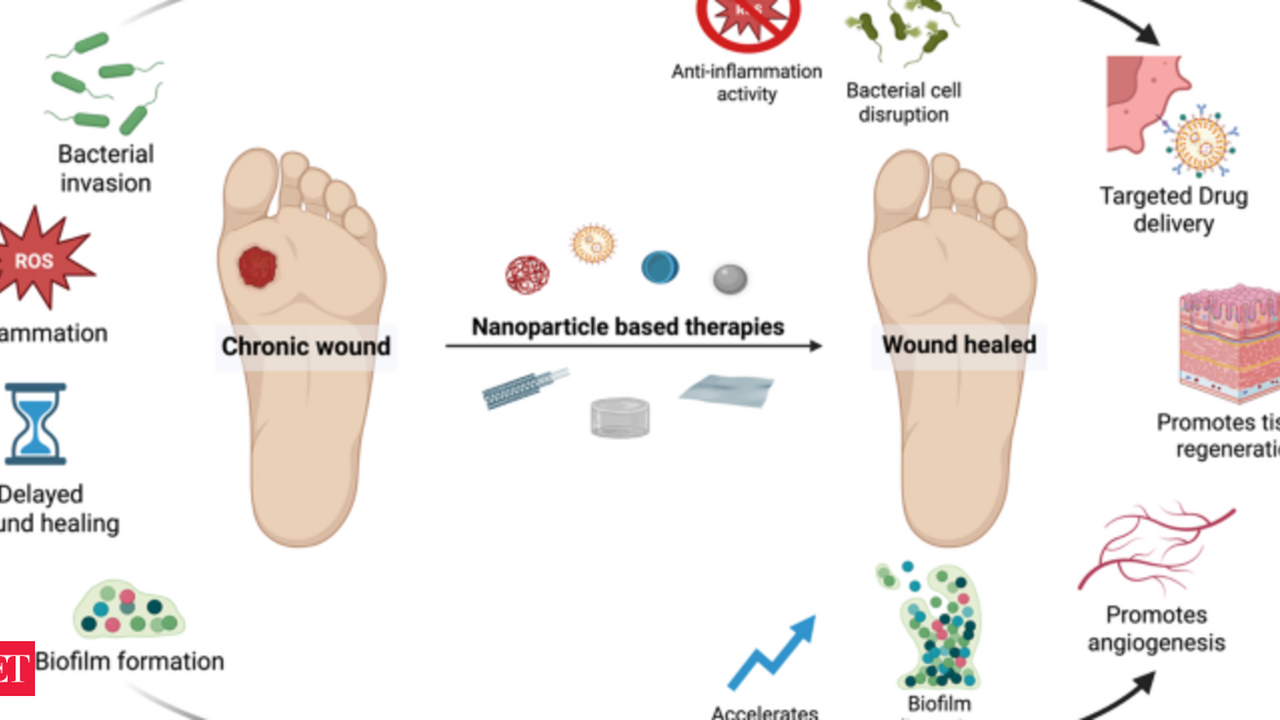
- The therapeutic system leverages light-activated nanomaterials specifically designed to target and neutralize antibiotic-resistant bacteria, including those entrenched within protective biofilms.
- The core technology involves a synergistic combination of gold nanoparticles and graphene oxide quantum dots. Upon light exposure, these nanomaterials generate localized, controlled heat and produce reactive oxygen species, which collectively destroy bacterial cells.
- Preclinical studies conducted in animal models have robustly demonstrated that this nanomaterial therapy can reduce bacterial counts in wound sites by up to 99%, a level of efficacy often unachievable with current antibiotic regimens alone.
- This dual-action mechanism, combining photothermal and photodynamic effects, enables the nanomaterials to penetrate and dismantle biofilms, a common culprit in persistent and recurrent infections.
Background & Context
The global rise of antibiotic-resistant bacteria poses a severe public health threat, with wound infections being particularly challenging due to limited effective treatment options. Biofilm formation further complicates matters, as it shields bacteria from both immune responses and antibiotic penetration. This nanotechnology-based therapy directly addresses this critical unmet medical need.
The field of nanomedicine is actively exploring nanoparticle-based antimicrobial strategies for their potential in targeted delivery and overcoming resistance mechanisms. This research represents a significant paradigm shift by employing physicochemical mechanisms to combat bacteria without relying on traditional pharmaceutical agents.
Strategic Significance & Outlook
These promising animal study results mark a crucial step towards human clinical application. It is anticipated that these light-activated nanomaterials could become a standard treatment for severe wound infections caused by multidrug-resistant pathogens like MRSA, significantly improving patient outcomes and potentially reducing healthcare costs. Further clinical trials are now essential to validate the safety and efficacy in human subjects.
Get our weekly technology intelligence — free
Receive an infographic that lets you judge at a glance whether each field’s analysis report is worth reading.
Subscribe Free — Weekly Tech Intelligence
By subscribing, you’ll receive Troy-Technical’s weekly technology intelligence newsletter.
- Your email and selected fields are used only to deliver the newsletter.
- We never share your information with third parties.
- You can unsubscribe anytime via the link in each email.
See our Privacy Policy for details.
Takes about a minute · Unsubscribe anytime