Key Findings
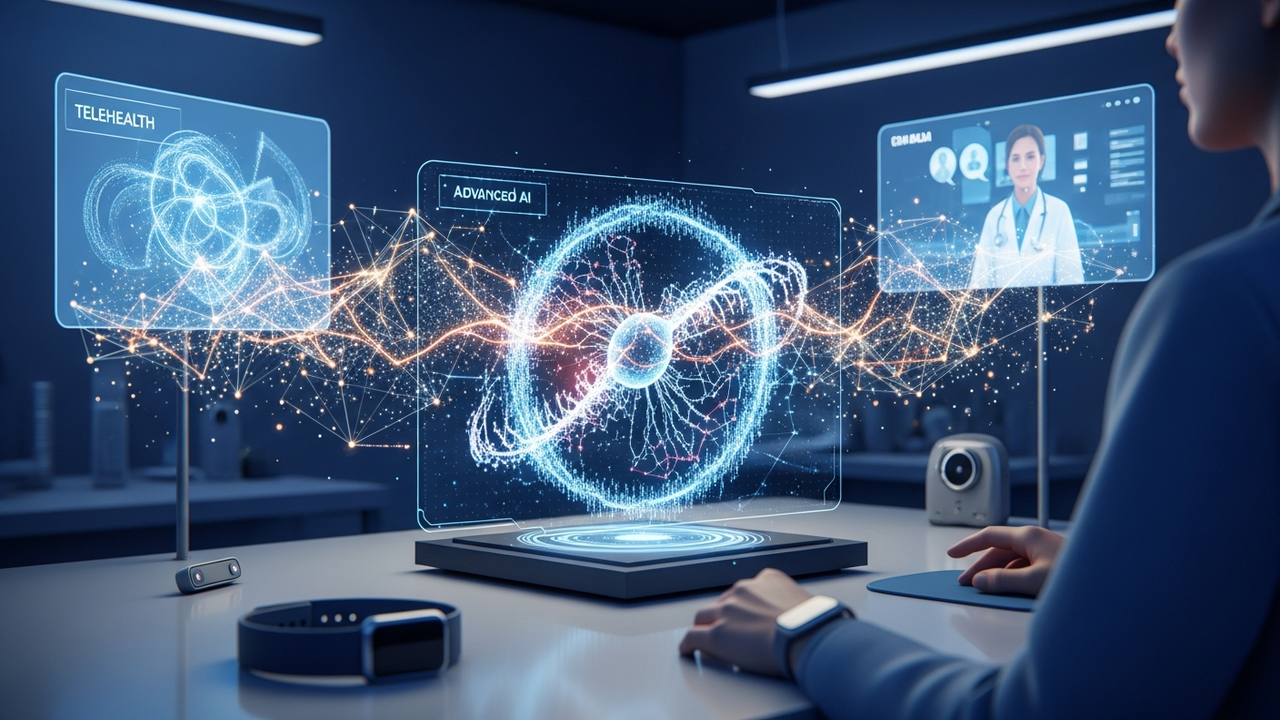
Digital biomarker development within the biotechnology and pharmaceutical sectors is experiencing an unprecedented acceleration driven by the convergence of cutting-edge technologies. The integration of wearable devices, mobile health applications, artificial intelligence (AI)/machine learning algorithms, and telemedicine platforms is enabling real-time physiological data acquisition, precise tracking of disease progression, rapid data interpretation, and the delivery of highly personalized healthcare solutions. This synergistic approach promises to revolutionize the entire healthcare value chain, from early drug discovery to patient care.
Technical and Clinical Details
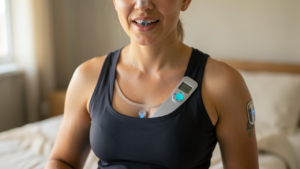
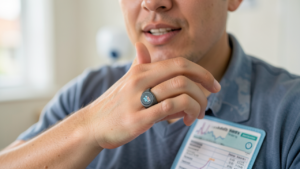
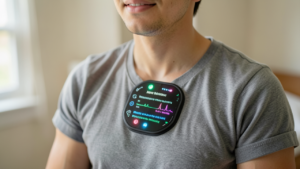
- Wearable Devices: Smartwatches, smart patches, and ring sensors non-invasively collect continuous physiological data such as heart rate, activity levels, sleep patterns, and skin temperature. This provides a dynamic, granular view of a patient’s health status in their daily life, capturing insights often missed in traditional clinical settings.
- Mobile Health Applications: Smartphone applications serve as crucial interfaces, aggregating data from wearables, enabling patient diaries, symptom reporting, medication adherence tracking, and behavioral intervention programs. These apps enhance patient engagement and structure data for clinical interpretation.
- AI/Machine Learning Algorithms: AI plays a pivotal role in processing the vast amounts of generated biometric data. It identifies complex patterns, predicts early disease signs, anticipates treatment responses, and refines prognostic markers. This capability streamlines drug discovery, optimizes clinical trial design, and facilitates the creation of highly individualized treatment strategies.
- Telemedicine Platforms: These platforms connect patients with clinicians remotely, enabling continuous monitoring, remote diagnostics, and virtual consultations. This reduces geographical barriers to care and forms a critical infrastructure for collecting real-world data (RWD) from diverse patient populations.
Background and Industry Context
Digital biomarkers represent objective, quantifiable, and continuously measurable physiological and behavioral indicators that offer new perspectives on disease diagnosis, prognosis, and treatment efficacy. The pharmaceutical industry faces pressing challenges, including improving drug development success rates, shortening clinical trial durations, and transitioning to patient-centric care models. Digital biomarker technologies address these by enabling earlier clinical endpoint determination, optimizing subgroup analyses, and personalizing therapies. This is particularly impactful for chronic and rare diseases, where improving quality of life and maximizing therapeutic outcomes are paramount.
Strategic Significance and Outlook
The continued integration and evolution of these technologies are set to redefine the future of digital health and precision medicine in biotech and pharmaceuticals. AI models will become more sophisticated, interoperability between different data sources will improve, and regulatory bodies are actively developing frameworks for establishing the evidence base for digital biomarkers. Consequently, digital biomarkers are expected to become indispensable tools, not only in R&D but also in routine clinical practice, contributing to enhanced patient outcomes and greater efficiency within healthcare systems. This trajectory also promises to accelerate patient empowerment, allowing individuals to gain deeper insights into their health data and actively participate in their medical decisions.
Get our weekly technology intelligence — free
Receive an infographic that lets you judge at a glance whether each field’s analysis report is worth reading.
Subscribe Free — Weekly Tech Intelligence
By subscribing, you’ll receive Troy-Technical’s weekly technology intelligence newsletter.
- Your email and selected fields are used only to deliver the newsletter.
- We never share your information with third parties.
- You can unsubscribe anytime via the link in each email.
See our Privacy Policy for details.
Takes about a minute · Unsubscribe anytime



Comments