Key Findings
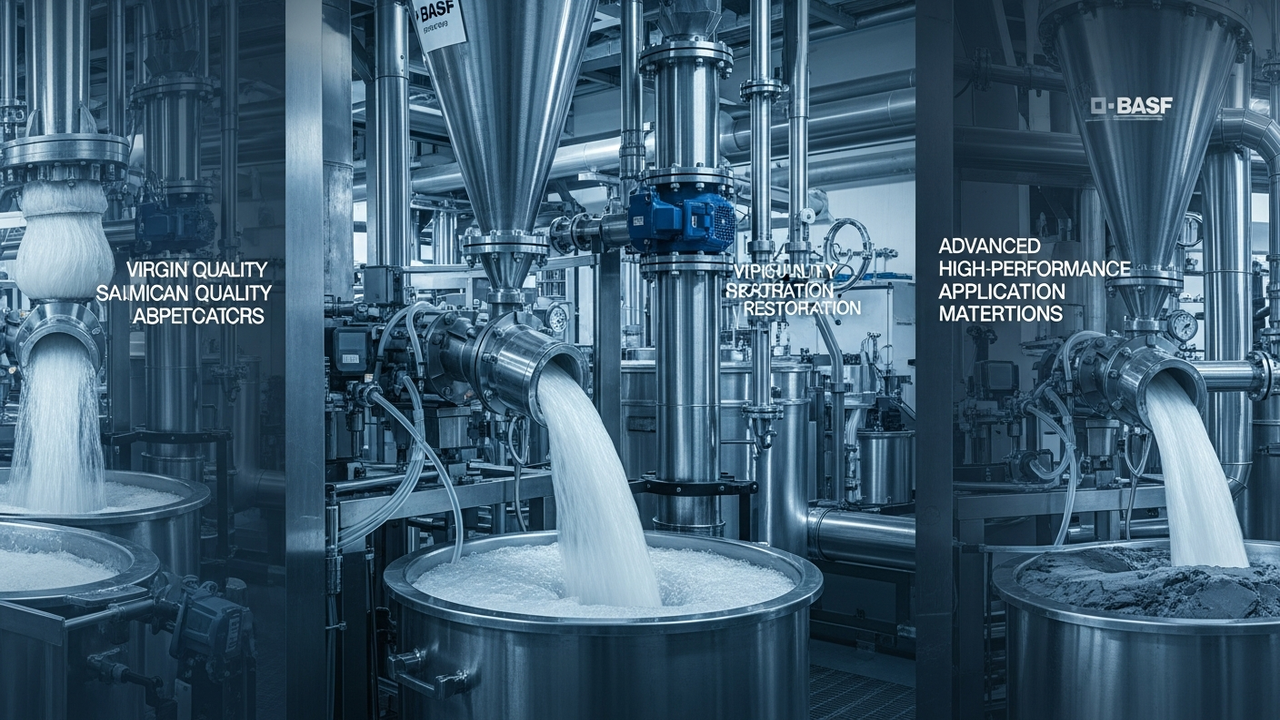
BASF’s Loopamid process has successfully achieved commercial-scale chemical recycling of polyamide (PA6) textile waste, demonstrating that the recycled material possesses properties equivalent to virgin-grade polymers. This groundbreaking technology enables the utilization of recycled engineering plastics in high-performance applications, a feat often challenging for conventional mechanical recycling methods, thereby significantly contributing to the advancement of the circular economy.
Technical / Clinical Details
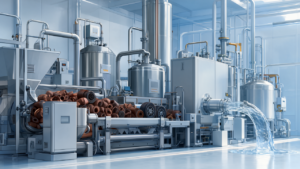
Engineering plastics are extensively used in demanding sectors like automotive components, electronics, and medical devices. However, their diverse nature and relatively smaller waste volumes have posed challenges for efficient recycling. While mechanical recycling is suitable for clean, homogeneous waste streams, it often leads to property degradation. Chemical recycling, specifically depolymerization, breaks down polymers into their constituent monomers, which can then be repolymerized to produce materials with virgin-like quality. BASF’s Loopamid process chemically depolymerizes polyamide textile waste (primarily from Nylon 6) to yield high-quality caprolactam monomer. This monomer is then repolymerized to produce PA6 suitable for high-demand applications, including automotive parts and performance textiles, where stringent quality and performance are critical.
Background & Context
Global concerns over escalating plastic waste and environmental impact have accelerated the development and implementation of recycling technologies. Engineering plastics, due to their high added value, are particularly important for both economic and environmental reasons. However, chemical recycling currently accounts for a small fraction of overall plastic recycling, facing significant technical and economic barriers. Commercial successes by major chemical companies like BASF highlight the feasibility of chemical recycling and the potential growth of the high-quality recycled material market.
Strategic Significance & Outlook
The widespread commercial success of chemical recycling necessitates more advanced plastic waste sorting technologies, enhanced material traceability throughout the supply chain, and stable policy and regulatory frameworks that support recycling initiatives. Addressing these challenges will position processes like BASF’s Loopamid as key drivers in significantly improving the resource circularity of engineering plastics and accelerating the transition to sustainable material supply systems. Furthermore, this is expected to reduce reliance on virgin materials and contribute to CO2 emission reductions.
Source: https://www.polyestertime.com/engineering-plastics-recycling/
Get our weekly technology intelligence — free
Receive an infographic that lets you judge at a glance whether each field’s analysis report is worth reading.
Subscribe Free — Weekly Tech Intelligence
By subscribing, you’ll receive Troy-Technical’s weekly technology intelligence newsletter.
- Your email and selected fields are used only to deliver the newsletter.
- We never share your information with third parties.
- You can unsubscribe anytime via the link in each email.
See our Privacy Policy for details.
Takes about a minute · Unsubscribe anytime