Key Findings
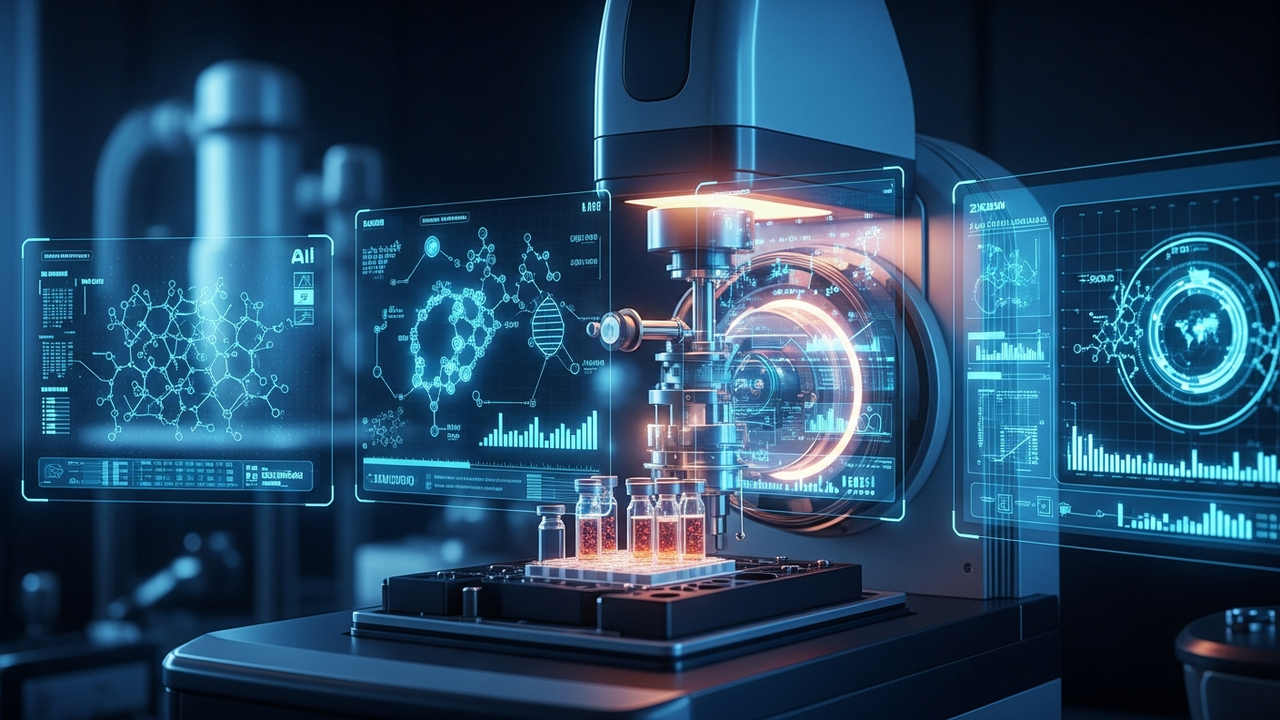
Aptamer-based biosensing (aptasensing) technology has made revolutionary strides in diagnostic efficiency and accuracy, primarily through the innovative integration of Artificial Intelligence (AI) and Machine Learning (ML). This fusion has dramatically enhanced real-time analysis, early detection, and predictive diagnostics for a vast array of biomarkers, including small molecules, proteins, cells, microorganisms, nucleic acids, and specific disease biomarkers like cardiac NT-proBNP, TNF-α, and breast cancer cell-derived markers. AI/ML-optimized algorithms have enabled aptasensing to achieve unprecedented levels of sensitivity and specificity, paving new pathways for personalized medicine and precision diagnostics.
Technical and Clinical Details
Aptasensing utilizes synthetic nucleic acids (aptamers) that bind to specific target molecules with high affinity. These can be combined with various detection modalities such as electrochemical, surface plasmon resonance (SPR), fluorescence, and colorimetric methods. The integration of AI/ML allows for the sophisticated analysis of complex signal data from sensors, filtering out noise and precisely identifying subtle changes, thereby improving detection limits and reliability. For instance, AI-optimized aptasensors have demonstrated high accuracy in hemoglobin detection. Furthermore, microfluidics automates sample preparation and reaction processes, while CRISPR systems enable rapid and highly sensitive detection targeting specific gene sequences. Integration with wearable devices facilitates continuous monitoring of physiological data, with AI/ML acting as an early warning system for anomalous patterns. IoT technology and cloud storage securely aggregate and analyze this data, enabling remote healthcare providers to access real-time patient status and formulate personalized treatment plans.
Background and Industry Context
Current diagnostic technologies are often invasive, time-consuming, costly, and require specialized equipment. This poses challenges for early diagnosis and continuous monitoring, particularly in developing countries and resource-limited regions. Aptasensing technology, with its advantages of stability, ease of customization, and low cost, has emerged as a promising alternative to overcome these challenges. The integration of AI/ML maximizes the potential of this technology, achieving levels of precision and efficiency previously unattainable with conventional diagnostic methods. This facilitates the early detection of conditions such as cancer, neurodegenerative diseases, infections, and inflammatory conditions, significantly improving patient prognoses. In the context of remote patient monitoring and home healthcare, real-time predictive diagnostics are essential for enhancing the overall efficiency and sustainability of healthcare systems.
Strategic Significance and Outlook
The future of AI/ML-integrated aptasensing lies in the simultaneous detection of multiple biomarkers, non-invasive sampling (e.g., sweat, tears, saliva), and integration into closed-loop therapeutic systems. Deep Learning (DL) models will extract more sophisticated insights from the vast biological data generated by sensors, predicting disease progression patterns and treatment responses. By combining with IoT and cloud technologies, these smart aptasensors will enable the creation of truly personalized, autonomous healthcare ecosystems tailored to individual patient lifestyles and health conditions. While challenges such as device standardization, scalable manufacturing processes, regulatory approval, and validation through large-scale clinical trials remain, the impact on accelerating the adoption of precision medicine and personalized healthcare is immeasurable.
Source: https://pubs.acs.org/asbcd6/article/14/1/21/3733471/Trends-in-Aptasensing-and-the-Enhancement-of
Get our weekly technology intelligence — free
Receive an infographic that lets you judge at a glance whether each field’s analysis report is worth reading.
Subscribe Free — Weekly Tech Intelligence
By subscribing, you’ll receive Troy-Technical’s weekly technology intelligence newsletter.
- Your email and selected fields are used only to deliver the newsletter.
- We never share your information with third parties.
- You can unsubscribe anytime via the link in each email.
See our Privacy Policy for details.
Takes about a minute · Unsubscribe anytime