Key Findings
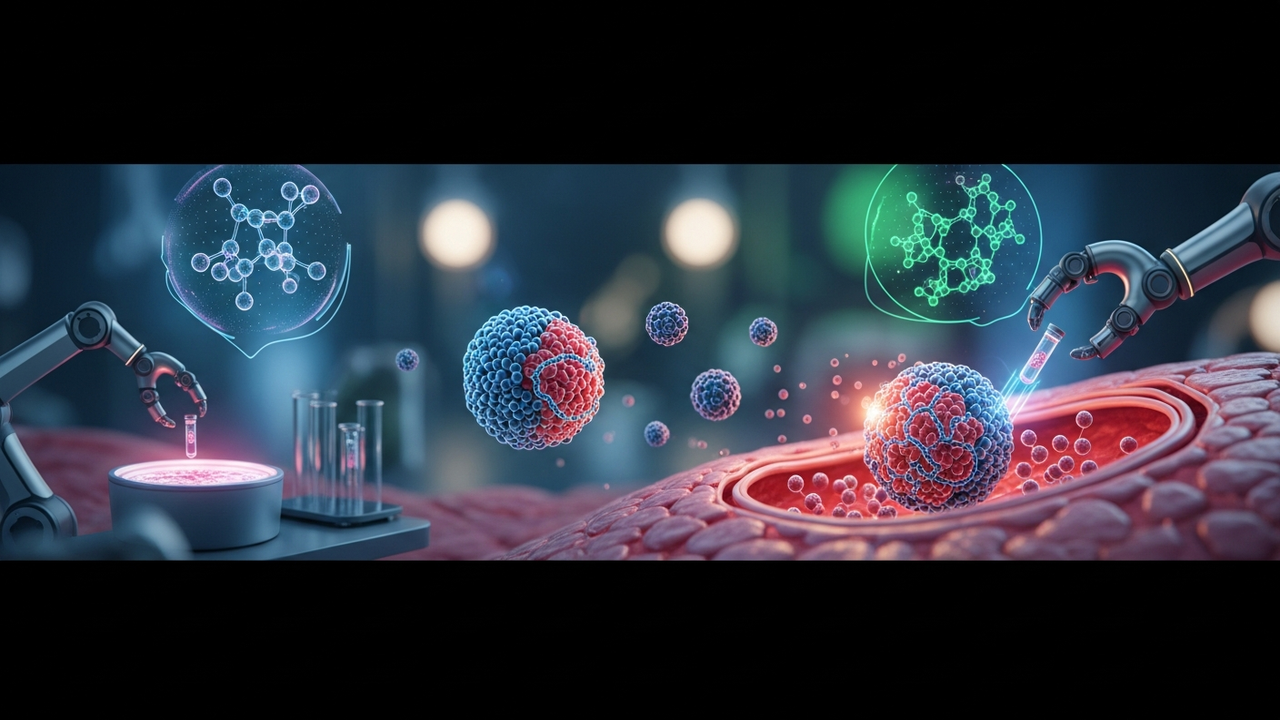
Nanomedicine is gaining significant attention for its innovative potential in treating cardiovascular diseases, such as myocardial infarction. While delivery platforms based on synthetic nanoparticles and extracellular vesicles are particularly promising, they face several technical challenges, including insufficient efficient targeting to cardiac tissue, inadequate retention at the injury site, and concerns regarding long-term biocompatibility. To overcome these limitations, various bioengineering approaches are being developed, and engineering solutions to enhance nanocarrier performance are actively researched and discussed.
Technical and Challenge Details
- Advantages of Nanomedicine in Myocardial Infarction Treatment: Nanomedicine holds the potential to specifically and sustainably deliver therapeutic agents (e.g., growth factors, genes, anti-inflammatory drugs) to damaged heart tissue post-myocardial infarction, thereby suppressing inflammation, reducing fibrosis, and promoting myocardial cell regeneration. This approach is expected to maximize therapeutic effects while minimizing systemic side effects.
- Key Challenges:
- Insufficient Cardiac Targeting: In fast-flowing cardiac tissue, nanoparticles face difficulties in efficiently reaching and specifically binding to the injured site. Rapid clearance from systemic circulation also reduces targeting efficiency.
- Low Retention at Injury Site: Even once nanoparticles reach cardiac tissue, they tend to be rapidly washed away by the pulsating heart environment and blood flow. This makes it difficult to maintain drug concentrations within the therapeutic range.
- Biocompatibility Concerns: Prolonged retention of nanocarriers in vivo can lead to unforeseen biocompatibility issues, such as inducing immune responses or cellular toxicity. Given the heart’s high sensitivity, safety is paramount.
- Bioengineering Approaches: To address these challenges, several engineering strategies are being explored:
- Surface Functionalization: Attaching targeting ligands such as peptides, antibodies, or aptamers to nanoparticle surfaces enables specific binding to receptors on cardiomyocytes or inflammatory sites, enhancing targeting efficiency.
- Stimuli-Responsive Release: Designing smart nanocarriers that release drugs in response to specific biological cues at the infarct site (e.g., hypoxia, pH changes, enzyme activity) enables on-demand drug delivery.
- Integration with Scaffold Materials: Embedding nanoparticles within biocompatible polymer scaffolds, such as hydrogels, enhances physical retention of nanoparticles at the injury site and allows for sustained drug release.
- Utilization of Extracellular Vesicles (EVs): EVs are naturally derived nanocarriers with low immunogenicity, excellent biocompatibility, and inherent targeting capabilities, making them promising for next-generation nanomedicine delivery systems.
Background and Industry Context
Myocardial infarction remains a leading cardiovascular disease with high morbidity and mortality worldwide. Existing treatments often result in insufficient recovery of cardiac function, creating a strong demand for novel therapeutic strategies. Nanomedicine, in conjunction with advances in regenerative and precision medicine, is positioned as a frontier area with the potential to address these medical needs. Advances in bioengineering, in particular, hold the key to optimizing the design and function of nanomaterials.Future Outlook
While bioengineering approaches to nanomedicine delivery for myocardial infarction are still in their early stages, their innovative potential is immeasurable. Future work will necessitate the development of more sophisticated multifunctional nanocarriers, real-time monitoring combined with in vivo imaging technologies, and large-scale preclinical and clinical trials to evaluate long-term safety and efficacy. As this research progresses, more effective and safer nanomedicine therapies are expected to emerge, suppressing post-myocardial infarction cardiac dysfunction and promoting cardiac repair and regeneration.
Source: https://www.ahajournals.org/doi/10.1161/ATVBAHA.126.324247
Get our weekly technology intelligence — free
Receive an infographic that lets you judge at a glance whether each field’s analysis report is worth reading.
Subscribe Free — Weekly Tech Intelligence
By subscribing, you’ll receive Troy-Technical’s weekly technology intelligence newsletter.
- Your email and selected fields are used only to deliver the newsletter.
- We never share your information with third parties.
- You can unsubscribe anytime via the link in each email.
See our Privacy Policy for details.
Takes about a minute · Unsubscribe anytime