Key Findings
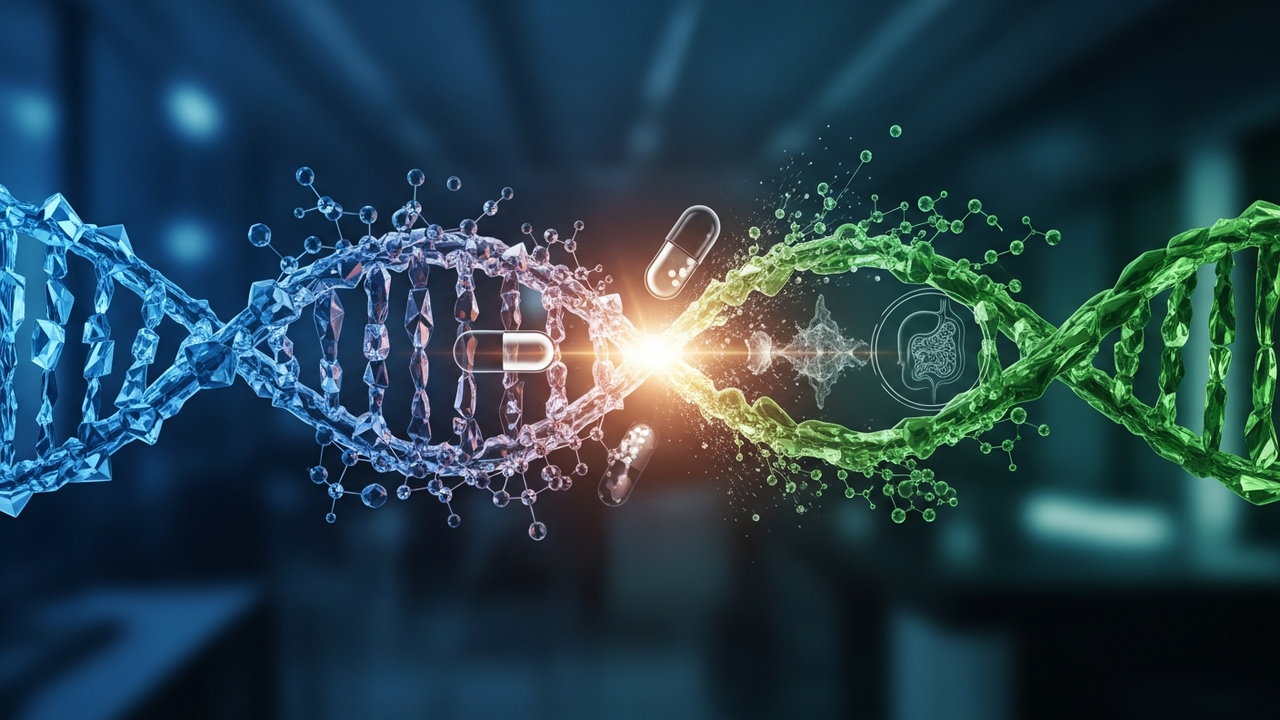
A comprehensive review published by MDPI emphasizes that the convergence of synthetic chemistry and natural product research, coupled with advancements in pharmaceutical engineering, biomaterials science, computational biology, and translational medicine, is fundamentally reshaping the frontiers of drug discovery. This interdisciplinary integration is identified as a primary driver for accelerating the development of innovative pharmaceuticals, enabling the design of more effective and targeted therapeutic interventions.
Technical / Clinical Details
In drug discovery, synthetic chemistry facilitates the efficient design and synthesis of novel compounds, allowing for the exploration of diverse molecular scaffolds and pharmacological activities. Natural product research, conversely, offers a rich reservoir of bioactive molecules optimized through millions of years of evolution. The synergy between these two approaches enables the creation of more potent and selective agents that combine the strengths of both. Pharmaceutical engineering advances optimize drug formulation, stability, and pharmacokinetics, ensuring effective delivery to patients. Biomaterials science and additive manufacturing (3D printing) are enabling novel drug delivery systems (DDS) that can control localized drug release or aid in the restoration of damaged tissue function. For instance, 3D printing technologies open avenues for personalized medicine by enabling customized drug fabrication for individual patients. Computational biology, through in silico modeling and simulation, assists in target identification, molecular docking, and pharmacokinetic prediction, reducing early-stage failure rates.
Background & Context
The traditional drug discovery process has been plagued by high costs, lengthy timelines, and low success rates, driving a continuous search for more efficient and innovative approaches. The integration of synthetic chemistry and natural products enhances chemical diversity and promotes the discovery of drugs with novel mechanisms of action. Advances in biomaterials and DDS technologies can significantly improve the efficacy of existing drugs by enhancing their ability to reach and act upon diseased sites. Furthermore, the evolution of AI and data science has amplified the role of computational biology, allowing for data-driven decision-making across all stages of drug development, from early discovery to clinical application. This integration represents an inevitable evolutionary path for the pharmaceutical industry to overcome its challenges and address unmet medical needs.
Strategic Significance & Outlook
The highlighted integration of these scientific disciplines is crucial for shaping the future of pharmaceutical science, serving as a powerful accelerator for every stage of drug development. The synergistic interplay among synthetic chemistry, natural products, biomaterials, computational science, and translational medicine holds the potential to fundamentally transform healthcare, from disease diagnosis and prevention to treatment. This integrated approach is expected to play a central role, particularly in the advancement of personalized, regenerative, and precision medicine. As the industry strives to tackle more complex biological challenges and develop patient-centric therapies, interdisciplinary collaboration and technological innovation are anticipated to drive vigorous progress globally.
Source: https://www.mdpi.com/2076-3417/16/15/7840
Get our weekly technology intelligence — free
Receive an infographic that lets you judge at a glance whether each field’s analysis report is worth reading.
Subscribe Free — Weekly Tech Intelligence
By subscribing, you’ll receive Troy-Technical’s weekly technology intelligence newsletter.
- Your email and selected fields are used only to deliver the newsletter.
- We never share your information with third parties.
- You can unsubscribe anytime via the link in each email.
See our Privacy Policy for details.
Takes about a minute · Unsubscribe anytime