Key Findings
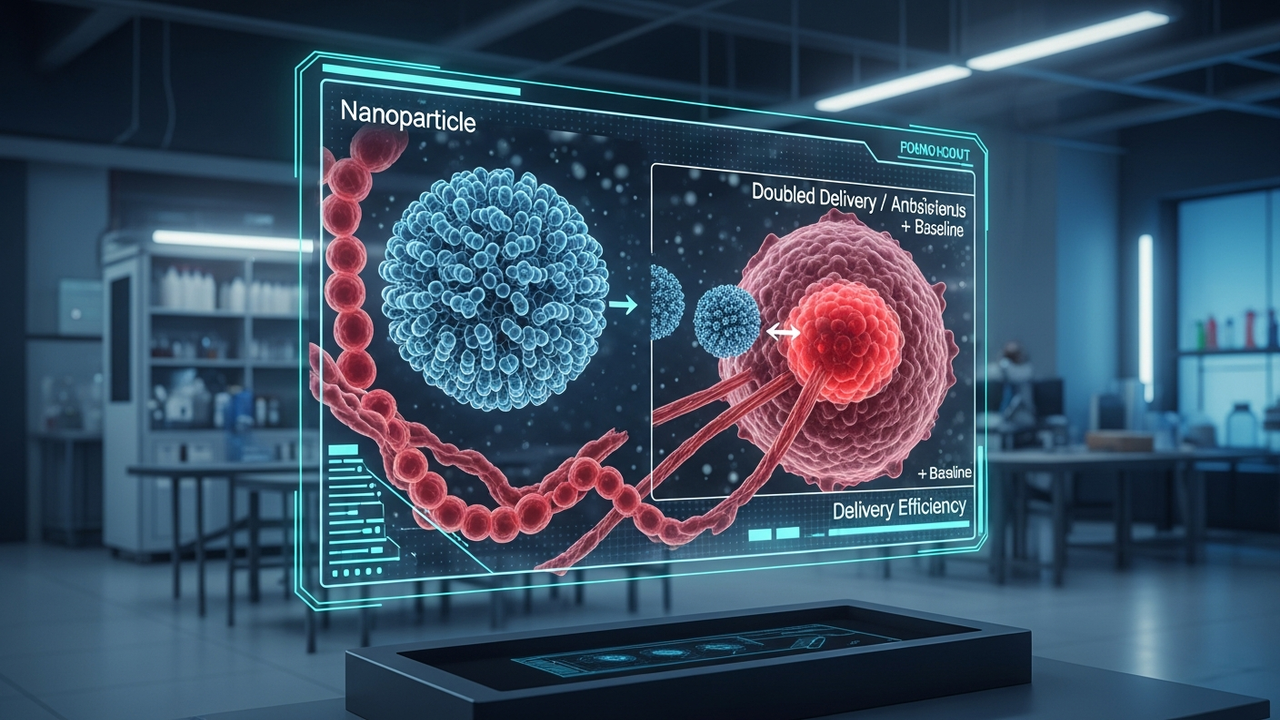
A research team at MD Anderson Cancer Center has established a novel approach that dramatically boosts the efficiency of nanoparticle-based chemotherapy delivery to tumors by temporarily reshaping the gut microbiome. This innovative method, demonstrated in mouse models, showed that short-term antibiotic administration altered the gut microbiota, approximately doubling the circulation time of nanoparticles in the bloodstream. This extended circulation led to increased drug accumulation within tumor tissues and resulted in significant therapeutic improvements, including enhanced survival rates, across multiple cancer types.
Technical and Clinical Details
- Microbiome Manipulation: The study involved administering specific antibiotics to mice for a short period to transiently alter the composition of their gut microbiome. While the exact mechanisms by which these changes influence pharmacokinetics are not fully elucidated, it is hypothesized that alterations in gut bacteria-metabolized molecules or immune responses play a role.
- Nanoparticle-Based Chemotherapy: The experiments utilized nanoparticles encapsulating existing chemotherapy drugs. These nanoparticles typically accumulate in tumors via the Enhanced Permeability and Retention (EPR) effect but often face challenges due to rapid systemic clearance. Microbiome manipulation effectively delayed this clearance, widening the “window” for nanoparticles to reach and accumulate in tumors.
- Improved Delivery Efficiency and Therapeutic Outcomes: Mice treated with antibiotics exhibited an extended blood half-life of nanoparticles, resulting in a substantial increase in drug delivery to tumors compared to untreated groups. This improved delivery efficiency translated into significant suppression of tumor growth and improved overall survival rates in mouse models of various cancers, including colon cancer, breast cancer, and melanoma. This approach suggests a potential to broaden the therapeutic window of chemotherapy.
Background and Industry Context
Nanomedicine in cancer treatment is a promising field aiming to reduce side effects and enhance therapeutic efficacy through targeted drug delivery. However, many nano-drugs that show excellent results in vitro and preclinical studies often fail to demonstrate comparable efficacy in human clinical trials, hitting a “translation barrier.” Contributing factors include complex in vivo pharmacokinetics, interactions with the immune system, and, increasingly, the gut microbiome. This research highlights the critical impact of the gut microbiome on drug pharmacokinetics and demonstrates that its modulation can profoundly influence therapeutic outcomes.
Future Outlook
This discovery opens new avenues for cancer treatment strategies. By adjusting the composition of the gut microbiome to a state favorable for drug pharmacokinetics, the efficacy of existing nanoparticle-based anti-cancer drugs could be significantly amplified. Future work will focus on validating safety and efficacy in humans, identifying the most effective changes in gut microbiota, and further elucidating the underlying mechanisms. If clinically implemented, this approach could allow for equivalent or superior therapeutic effects with lower drug doses, reducing patient side effects and improving prognosis for patients with refractory cancers. Personalized medicine may evolve to include treatment plans that consider a patient’s microbiome status.
Get our weekly technology intelligence — free
Receive an infographic that lets you judge at a glance whether each field’s analysis report is worth reading.
Subscribe Free — Weekly Tech Intelligence
By subscribing, you’ll receive Troy-Technical’s weekly technology intelligence newsletter.
- Your email and selected fields are used only to deliver the newsletter.
- We never share your information with third parties.
- You can unsubscribe anytime via the link in each email.
See our Privacy Policy for details.
Takes about a minute · Unsubscribe anytime