Key Findings
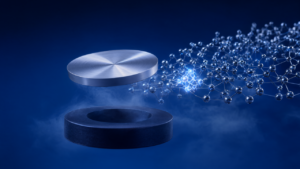
Researchers at the Massachusetts Institute of Technology (MIT) have developed an innovative machine learning-driven pipeline, establishing a new paradigm for electrolyte design. This method enables the efficient generation, screening, and experimental validation of solvent candidates, successfully identifying better solvents that enhance battery stability, charging speed, and long-term performance, particularly for sodium metal batteries. A key discovery is that solvent ‘size’ and ‘molecular similarity’ are critical properties for designing superior electrolytes.
Technical / Clinical Details
The machine learning pipeline developed by the research team dramatically accelerates the electrolyte design process, which traditionally relies on trial-and-error. The pipeline primarily consists of the following steps:
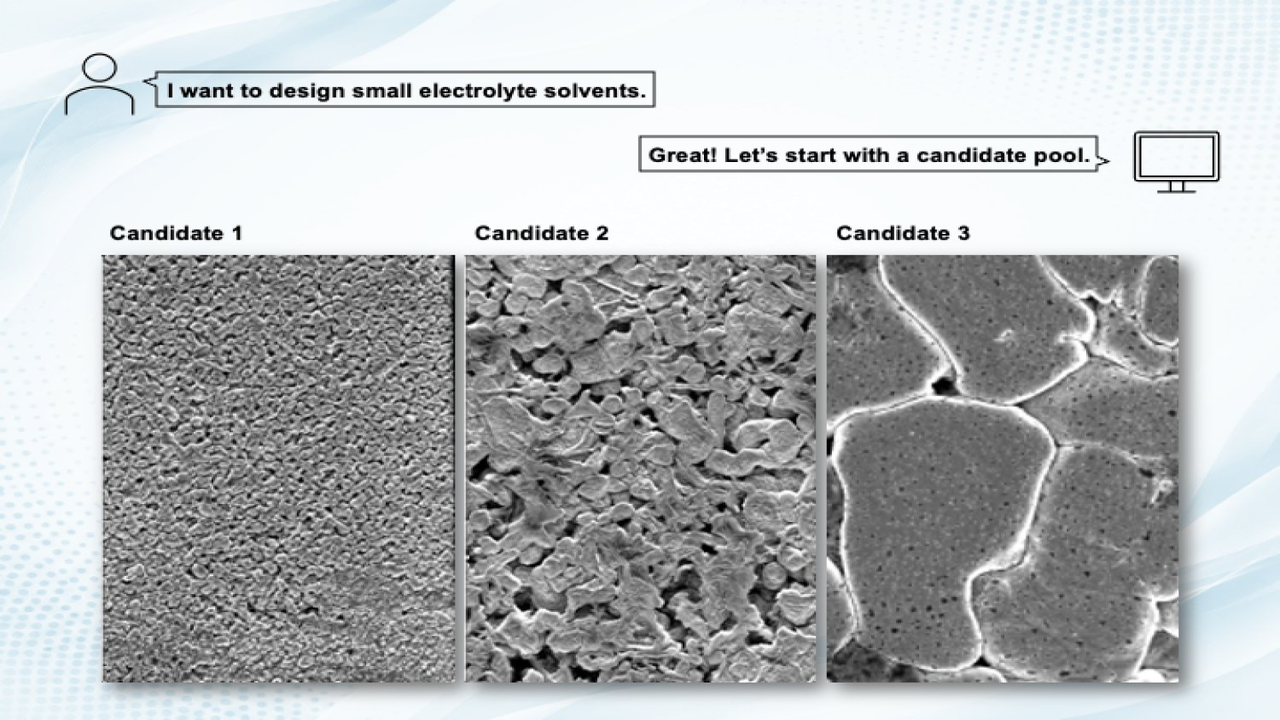
- Solvent Candidate Generation: Initially, a vast library of potential solvent molecules is virtually generated by combining existing chemical databases with generative AI techniques.
- Machine Learning-driven Screening: For thousands of generated solvent candidates, machine learning models rapidly predict physicochemical properties such as ion conductivity, electrochemical stability, viscosity, and freezing point. In this screening process, solvent molecular size and molecular similarity to other known good solvents were discovered to be critical predictive factors. Smaller molecules generally tend to have higher ion mobility, and similar molecular structures suggest similar solvation properties.
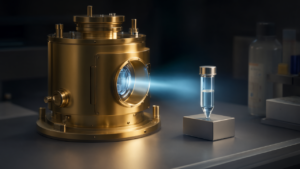
- Experimental Validation: A select few of the most promising solvent candidates identified by the machine learning model are then synthesized and incorporated into sodium metal batteries for experimental performance evaluation. By using sodium metal batteries as a model system, the study demonstrates the applicability of this design principle to other next-generation battery systems.
This integrated approach has made it possible to efficiently narrow down the electrolyte search space and significantly shorten development timelines. This, in turn, accelerates performance improvements for sodium metal batteries, which are highly anticipated as alternatives to lithium-ion batteries.
Background & Context
Battery technology is indispensable for the widespread adoption of electric vehicles, the integration of renewable energy, and the realization of grid-scale energy storage systems. Sodium metal batteries, based on abundant and inexpensive sodium, hold great promise as alternatives to lithium-ion batteries. However, electrolytes have been a critical bottleneck for their performance, particularly in terms of stability and cycle life. Current electrolytes often cause instability at the electrode interface or exhibit insufficient low-temperature performance. The introduction of machine learning offers a groundbreaking solution to efficiently explore this complex chemical space and remove key barriers hindering the commercialization of sodium metal batteries.
Strategic Significance & Outlook
MIT’s research findings will have broad implications for electrolyte design in next-generation battery technologies, including not only sodium metal batteries but also other multivalent ion batteries such as magnesium, zinc, and aluminum. The identification of solvent size and molecular similarity as design principles provides more efficient guidance for AI-driven materials design. Moving forward, further refinement of this machine learning pipeline and its adaptation to more diverse battery chemistries are expected to lead to dramatic improvements in battery energy density, safety, and durability. In the future, this AI-driven design process is anticipated to integrate with autonomous lab systems, serving as a crucial step towards realizing ‘self-driving battery laboratories’ that automate the entire process from battery material discovery to manufacturing.
Source: https://news.mit.edu/2026/solving-solvent-problem-sodium-metal-batteries-0804
Get our weekly technology intelligence — free
Receive an infographic that lets you judge at a glance whether each field’s analysis report is worth reading.
Subscribe Free — Weekly Tech Intelligence
By subscribing, you’ll receive Troy-Technical’s weekly technology intelligence newsletter.
- Your email and selected fields are used only to deliver the newsletter.
- We never share your information with third parties.
- You can unsubscribe anytime via the link in each email.
See our Privacy Policy for details.
Takes about a minute · Unsubscribe anytime