Key Findings
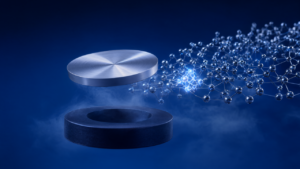
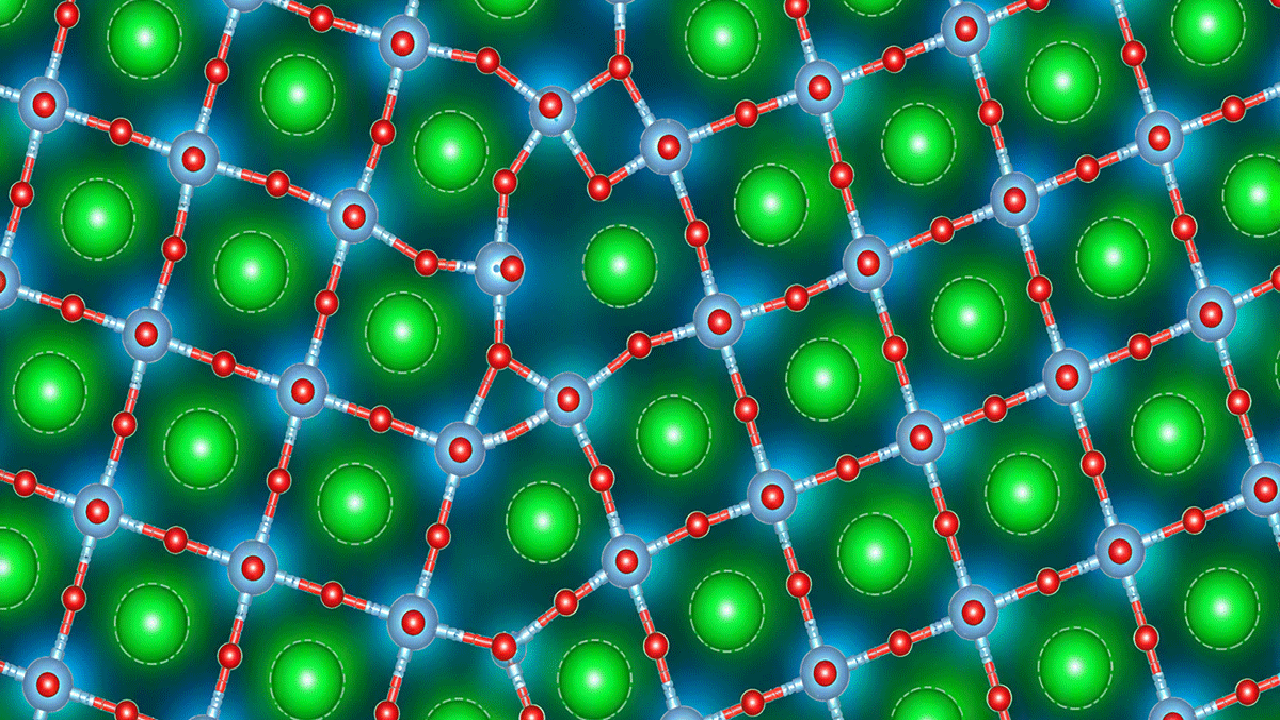
A research team at Northwestern University has developed a novel AI-driven computational method that successfully elucidates the complex atomic structures at material interfaces with unprecedented accuracy. This innovative approach enables more reliable prediction of interface structures that directly impact material performance, degradation, and ultimate failure.
Technical / Clinical Details
This new computational method is achieved by ingeniously combining three key elements: machine learning, advanced structural search algorithms, and high-precision quantum mechanical calculations. Traditionally, identifying stable structures from the vast number of possible atomic configurations at interfaces has been computationally extremely challenging. The research team first utilizes machine learning models to efficiently screen physically plausible interface structure candidates from the immense search space. Next, advanced structural search algorithms are applied to these candidates to pinpoint energetically stable or transition state structures. Finally, these promising structures are subjected to further meticulous analysis by quantum mechanical calculations (e.g., Density Functional Theory, DFT) to comprehensively evaluate their electronic structure and bonding properties. This integrated pipeline allows researchers to reliably predict the detailed atomic-level behavior of interfaces, which were previously considered black boxes. Consequently, mechanisms such as defect formation, atomic diffusion, charge transport, and stress concentration at interfaces can be clearly understood and fed back into the material design process.
Background & Context
Material interfaces are critical regions that determine the performance of many advanced material systems, including semiconductor devices, batteries, catalysts, and composite materials. For example, in semiconductor devices, the atomic structure of interfaces directly affects electron mobility and device reliability. In batteries, the electrode-electrolyte interface dictates charging/discharging efficiency and lifespan. However, interfaces are inherently heterogeneous, and their atomic structures are highly complex, making experimental and theoretical analysis difficult. The fusion of AI and computational science holds the potential to solve this long-standing challenge and elevate interface engineering to the next level.
Strategic Significance & Outlook
This AI-driven computational method developed by Northwestern University is poised to revolutionize materials design across a wide range of fields, including energy, electronics, and structural materials. By gaining a deeper understanding of the relationship between interface atomic structure and function, researchers will be able to design high-performance materials such as:
- Interfaces for more efficient solar cells and thermoelectric materials.
- More stable and longer-lasting battery electrode interfaces for electric vehicles and grid-scale storage.
- Interfaces that maximize electron mobility for high-performance semiconductor devices.
- Tougher and more durable composite material interfaces for aerospace and automotive industries.
This technology is expected to shorten the timeline from new material discovery to practical application, accelerating the development of innovative products that contribute to a sustainable society. In the future, this method could be integrated into autonomous materials discovery systems, potentially realizing ‘self-driving interface engineering’ where AI autonomously designs and optimizes interface structures based on target performance goals.
Get our weekly technology intelligence — free
Receive an infographic that lets you judge at a glance whether each field’s analysis report is worth reading.
Subscribe Free — Weekly Tech Intelligence
By subscribing, you’ll receive Troy-Technical’s weekly technology intelligence newsletter.
- Your email and selected fields are used only to deliver the newsletter.
- We never share your information with third parties.
- You can unsubscribe anytime via the link in each email.
See our Privacy Policy for details.
Takes about a minute · Unsubscribe anytime