Key Findings
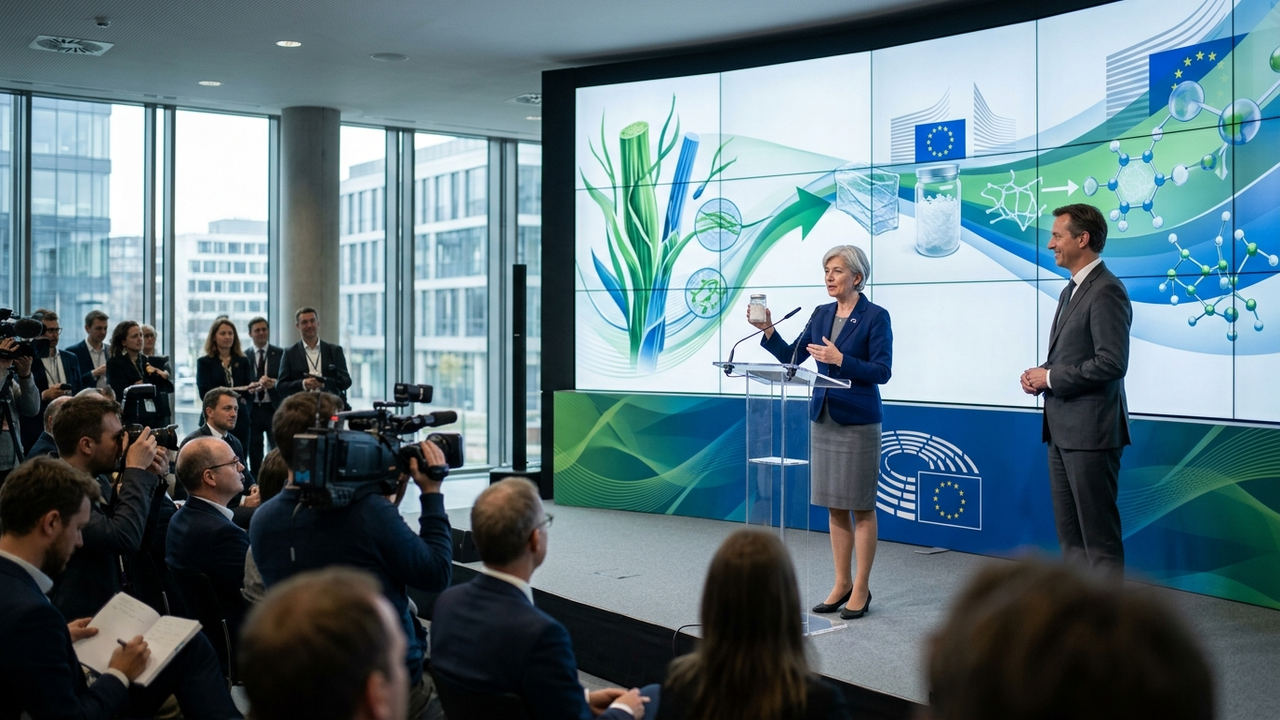
The European Commission has announced a new funding initiative to vigorously advance research and development in sustainable nanocellulose. This program is designed to accelerate innovation and commercialization of sustainable bio-based nanomaterials, supporting Europe’s transition to a green economy.
Technical / Clinical Details
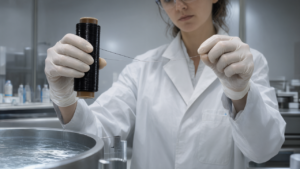
This funding will primarily focus on optimizing nanocellulose production processes, exploring new application areas, and evaluating the environmental impact throughout its entire lifecycle. Nanocellulose, a nanoscale fiber derived from plant biomass such as wood pulp, possesses excellent properties including lightweight, high strength, high surface area, and biodegradability. Research aims to expand nanocellulose utilization across diverse industries such as automotive components, packaging, medical materials, smart textiles, and construction materials. Specifically, support will be provided for new refinement technologies that improve production efficiency, and surface modification techniques to enhance nanocellulose dispersibility in composite materials. This initiative is expected to allocate millions of euros annually to multiple research projects.
Background & Context
Under the “European Green Deal” aiming for carbon neutrality by 2050, the European Union (EU) places strong emphasis on promoting the bioeconomy and circular economy. Nanocellulose is widely recognized for its potential as a sustainable alternative to fossil-resource-derived materials. However, challenges remain regarding production costs, scalability, and performance optimization for specific applications. This new funding initiative is a crucial impetus to resolve these issues and facilitate the widespread market adoption of nanocellulose. Through this, Europe aims to establish international leadership in nanocellulose technology R&D.
Strategic Significance & Outlook
This funding initiative will stimulate innovative research projects in the nanocellulose field and strengthen collaboration among academia, industry, and SMEs. As a result, more efficient and environmentally friendly nanocellulose production technologies are expected to be developed, leading to high-performance and sustainable products being introduced to the market. In the long term, nanocellulose has the potential to replace parts of conventional materials like plastics and metals, significantly contributing to Europe’s industrial sustainability goals, while also fostering new job creation and economic growth.
Source: #
Get our weekly technology intelligence — free
Receive an infographic that lets you judge at a glance whether each field’s analysis report is worth reading.
Subscribe Free — Weekly Tech Intelligence
By subscribing, you’ll receive Troy-Technical’s weekly technology intelligence newsletter.
- Your email and selected fields are used only to deliver the newsletter.
- We never share your information with third parties.
- You can unsubscribe anytime via the link in each email.
See our Privacy Policy for details.
Takes about a minute · Unsubscribe anytime