Background
DNA cleavage and rejoining are foundational processes in molecular biology, biotechnology, and genetic engineering. While restriction enzymes have long been the workhorse for these tasks, they are constrained by limitations in sequence specificity and reaction conditions. The accelerating pace of advancements in genome editing, synthetic biology, and personalized medicine has created an urgent demand for more efficient and flexible tools for DNA manipulation. This need is particularly acute in the development of next-generation gene therapies and vaccines, where intricate DNA engineering is critical for achieving breakthroughs.
Key Findings
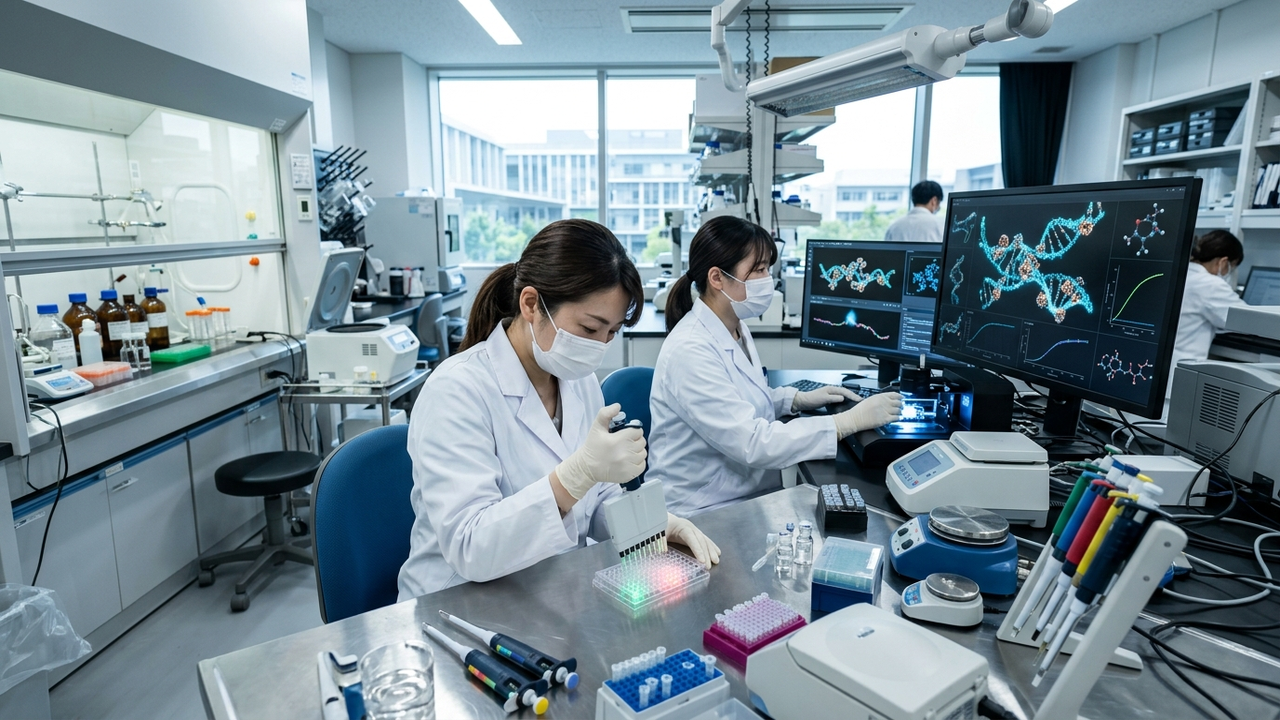
A Japanese research team has unveiled a groundbreaking method that leverages silver nanoparticles to dramatically enhance the efficiency of DNA cleavage and rejoining. This novel approach demonstrates a 2-5 fold improvement over conventional restriction enzyme-based techniques, promising to significantly simplify and accelerate the construction of complex DNA sequences crucial for gene therapy, cancer vaccines, and advanced agricultural engineering.
The innovation centers on the ability of silver nanoparticles to precisely cleave DNA under specific conditions. Crucially, these nanoparticles achieve nearly 100% DNA strand cleavage efficiency at an elevated temperature of 95°C. The underlying mechanism involves the localized manipulation of DNA binding energies, enabling sequence-specific scission. This offers greater flexibility in targeting diverse DNA sequences compared to traditional restriction enzymes, which are constrained by their specific recognition sites. Subsequently, the cleaved DNA fragments can be efficiently re-ligated, facilitating the rapid assembly of intricate DNA constructs.
This silver nanoparticle-based technology is set to accelerate laboratory-scale DNA synthesis and modification, potentially paving the way for new DNA-based materials and devices. Its significance is particularly profound for synthetic biology, where the rapid and efficient assembly of multiple DNA fragments is vital for constructing functional genetic circuits. In the long term, this breakthrough could lead to lower-cost, higher-throughput genome engineering tools, with broad implications for fundamental life science research and diverse industrial applications.
Source: https://www.sciencedaily.com/releases/2026/08/260816044842.htm
Get our weekly technology intelligence — free
Receive an infographic that lets you judge at a glance whether each field’s analysis report is worth reading.
Subscribe Free — Weekly Tech Intelligence
By subscribing, you’ll receive Troy-Technical’s weekly technology intelligence newsletter.
- Your email and selected fields are used only to deliver the newsletter.
- We never share your information with third parties.
- You can unsubscribe anytime via the link in each email.
See our Privacy Policy for details.
Takes about a minute · Unsubscribe anytime