Background
The increasing prevalence of diabetes and a growing emphasis on personal health have fueled a surge in demand for glucose monitoring solutions. Historically, available methods have been either invasive or prohibitively expensive, significantly impeding widespread adoption. While extensive R&D efforts have targeted non-invasive blood glucose monitoring for years, persistent challenges in achieving sufficient accuracy and stability have previously stalled practical implementation. Microneedle sensors are now uniquely positioned to address this critical market gap, offering a compelling combination of minimal invasiveness and high precision. Crucially, their forthcoming availability as over-the-counter (OTC) products, accessible without a physician’s prescription, is expected to accelerate broad adoption among pre-diabetic populations and the general public committed to proactive health management.
Key Findings
Forthcoming in 2026, microneedle sensors are emerging as a transformative innovation within the non-invasive continuous glucose monitoring (CGM) market, distinguished by their superior accuracy and enhanced practicality. A pivotal factor in their anticipated impact is the introduction of a 14-day over-the-counter (OTC) starter pack, designed to enable general consumers to intuitively grasp their personal glucose dynamics and facilitate personalized metabolic optimization.
Technical Details
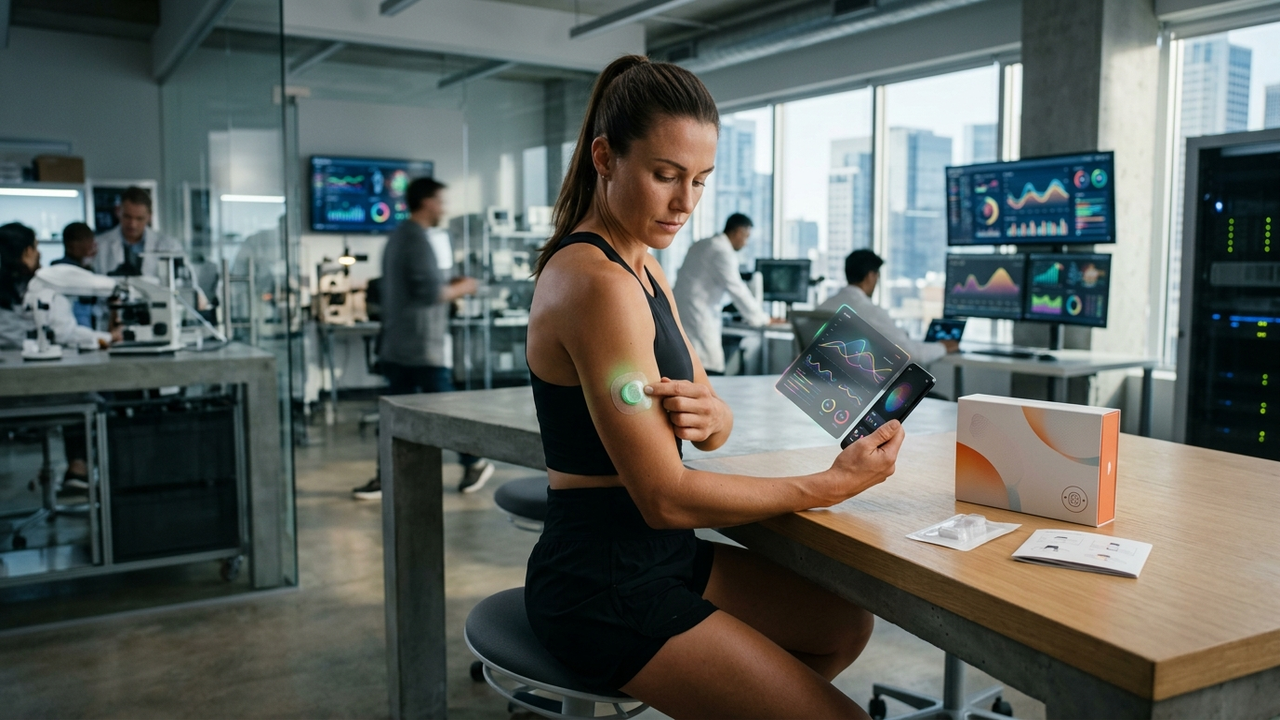
Microneedle sensors provide painless glucose measurement by deploying microscopic needles that penetrate only the outermost layer of the skin, accessing interstitial fluid. This technology effectively circumvents the discomfort associated with traditional finger-prick glucose testing and overcomes the limitation of fragmented data acquisition. The new OTC model facilitates continuous monitoring for a 14-day period, empowering users to observe the real-time influence of lifestyle determinants—such as diet, physical activity, and sleep—on their glucose levels. Data is intuitively visualized via a dedicated smartphone application, rendering glucose spikes and fluctuation patterns easily digestible. This enables users to implement scientifically validated, personalized adjustments to their dietary and exercise regimens based on their unique physiological responses, thereby efficiently advancing glycemic control and metabolic optimization. The technology boasts high accuracy, comparable to clinically established invasive continuous glucose monitors (CGMs), representing a substantial leap in the practical efficacy of non-invasive solutions.
Strategic Significance & Outlook
The emergence of microneedle sensors is poised to profoundly reshape the landscape of wellness tracking and personalized medicine. Anticipated future advancements include the miniaturization of sensors, extended wear durations, and the development of multi-analyte platforms capable of simultaneously monitoring a spectrum of biomarkers beyond glucose, such as ketones, lactate, and various hormones. Furthermore, the integration of artificial intelligence is expected to drive sophisticated personalized nutritional guidance and exercise programming. This technology is projected to not only significantly enhance the quality of life for individuals with diabetes but also equip the general population with a potent tool for proactive health management, thereby contributing substantially to the prevention of lifestyle-related diseases.
Source: #
Get our weekly technology intelligence — free
Receive an infographic that lets you judge at a glance whether each field’s analysis report is worth reading.
Subscribe Free — Weekly Tech Intelligence
By subscribing, you’ll receive Troy-Technical’s weekly technology intelligence newsletter.
- Your email and selected fields are used only to deliver the newsletter.
- We never share your information with third parties.
- You can unsubscribe anytime via the link in each email.
See our Privacy Policy for details.
Takes about a minute · Unsubscribe anytime