Key Findings
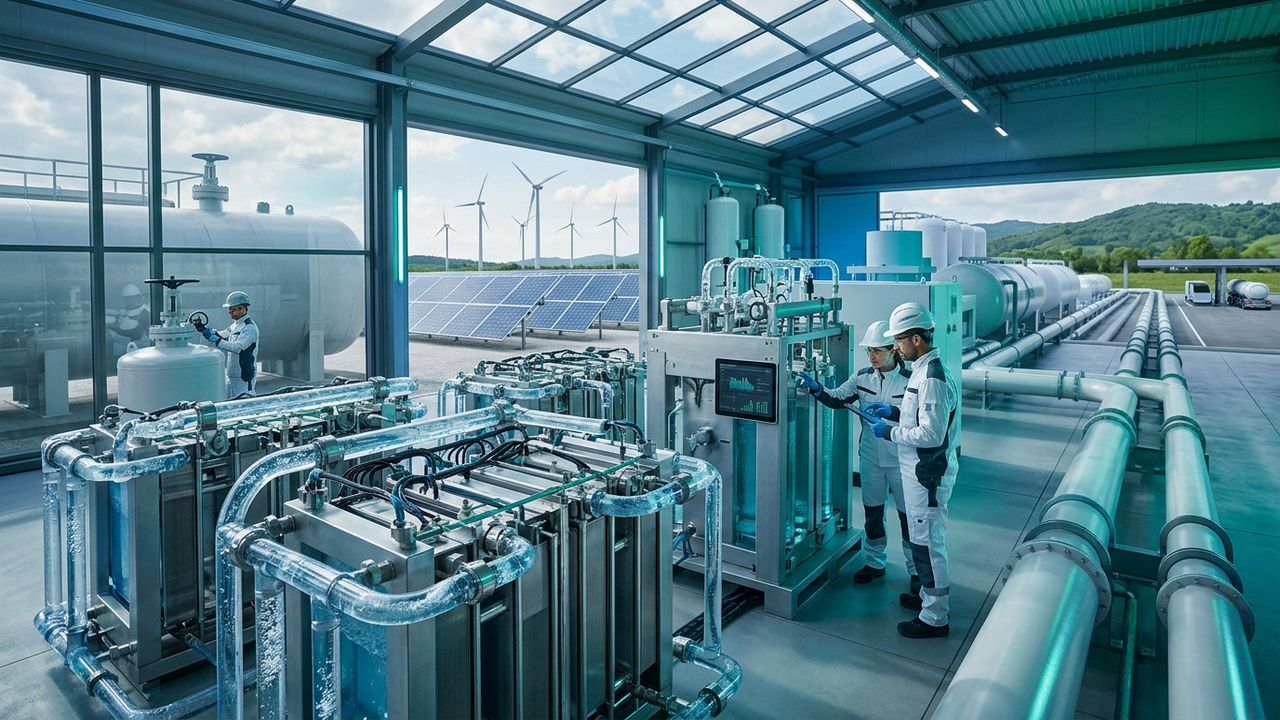
A recent scientific announcement highlights a revolutionary breakthrough in electrolyzer technology, promising to drastically improve the cost structure of green hydrogen production. This advancement is projected to lead to substantial reductions in both Capital Expenditure (CAPEX) and Operational Expenditure (OPEX), rendering green hydrogen commercially viable on an unprecedented scale. This development is critical for accelerating the global transition towards clean energy sources.
Technical Details
While specific details of this groundbreaking technology remain proprietary, it is anticipated to focus on enhancing catalyst efficiency, reducing material costs, or decreasing overall energy consumption compared to existing electrolyzer systems, such as PEM or alkaline electrolyzers. Potential innovations may encompass the utilization of more abundant and less expensive non-precious metal catalysts, streamlined manufacturing processes through optimized electrolyzer designs, or the development of highly efficient separation membrane materials. Traditional electrolyzers frequently necessitate costly noble metal catalysts like platinum and specialized components, which have been major contributors to their high production costs. This new technological leap aims to fundamentally address these cost barriers, potentially making gigawatt-scale green hydrogen plants far more economically attractive.
Background & Context
Green hydrogen, produced by electrolyzing water using electricity from renewable sources, is celebrated as the ultimate clean energy carrier due to its zero greenhouse gas emissions during production. However, its high cost has historically been the primary impediment to widespread adoption. Reports from organizations like the International Energy Agency (IEA) consistently underscore that reducing the cost of green hydrogen is paramount to achieving global decarbonization targets. This latest electrolyzer breakthrough directly addresses the cost challenge, making large-scale decarbonization efforts in energy-intensive industries (e.g., steel, chemicals, cement) significantly more feasible. It is anticipated to accelerate the proliferation of hydrogen-powered transport, electricity generation, and industrial processes, playing an indispensable role in reducing reliance on fossil fuels.
Strategic Significance & Outlook
This electrolyzer technology breakthrough holds the potential to reduce green hydrogen prices to a competitive level against fossil-fuel-derived hydrogen and other low-carbon alternatives. The research team is expected to scale up these laboratory-proven results into demonstration projects and actively seek commercial partnerships. If successfully commercialized, this technology could significantly lower green hydrogen production costs, rapidly expanding its share in the global energy mix. This would substantially contribute to meeting national decarbonization goals, foster the creation of new green industries, and drive sustainable economic growth worldwide.
Source: #
Get our weekly technology intelligence — free
Receive an infographic that lets you judge at a glance whether each field’s analysis report is worth reading.
Subscribe Free — Weekly Tech Intelligence
By subscribing, you’ll receive Troy-Technical’s weekly technology intelligence newsletter.
- Your email and selected fields are used only to deliver the newsletter.
- We never share your information with third parties.
- You can unsubscribe anytime via the link in each email.
See our Privacy Policy for details.
Takes about a minute · Unsubscribe anytime







Comments