Key Findings
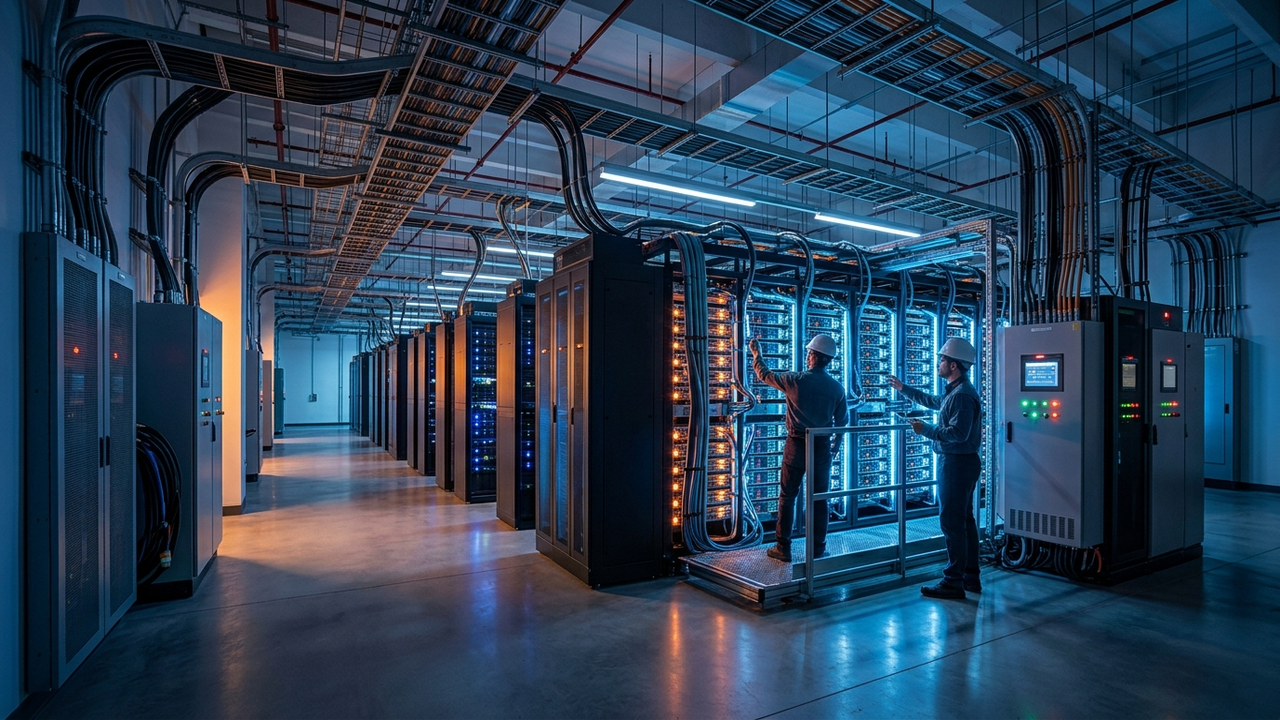
Amidst the rapid advancements in generative AI, data center loads are dramatically increasing, with AI data center power consumption in the United States projected to rise by 26% annually. This surge in electricity demand necessitates urgent investments in energy efficiency and demand flexibility for data centers and the wider power grid. Furthermore, some planned AI data center campuses are estimated to require 10 to 100 times the power of existing data centers, raising significant concerns about the impact on energy infrastructure.
Technical Details
- Training and inference of generative AI models demand exponentially more computational resources and power compared to conventional computing tasks. Large Language Models (LLMs), for example, can consume millions of dollars worth of electricity by running hundreds of thousands of GPUs for months.
- Energy-efficient data center design requires state-of-the-art cooling technologies (such as liquid cooling), high-efficiency power supplies, and AI-powered workload management systems. These elements are crucial for improving Power Usage Effectiveness (PUE) values and minimizing electricity consumption.
- Demand flexibility refers to a data center’s ability to adjust its power consumption in response to grid load. AI-driven load balancing and shiftable workload management become vital for reducing peak demand and facilitating the integration of renewable energy sources.
Background & Context
AI remains ubiquitous, data centers are rapidly transforming into the nervous system of modern society. However, this rapid growth poses severe challenges concerning energy supply, environmental sustainability, and grid stability. Data centers relying on fossil fuel-based power generation, in particular, contribute to increased carbon emissions, creating a conflict with climate change goals. Improving efficiency and transitioning to renewable energy are indispensable for ensuring the sustainability of AI infrastructure.
Strategic Significance & Outlook
AI data center’s energy demand increase will stimulate massive investments in energy efficiency technology, renewable energy solutions, and smart grid technology. Data center operators must adopt more innovative approaches to meet sustainability targets and regulatory requirements. Collaboration among policymakers, utility companies, technology providers, and data center operators is essential to address these challenges and build robust, environmentally friendly infrastructure that supports the next-generation AI-driven society. In the long term, the realization of more efficient and sustainable AI infrastructure will support the broader adoption and advancement of AI technology, driving global innovation.
Source: https://www.aceee.org/topic/data-centers/
Get our weekly technology intelligence — free
Receive an infographic that lets you judge at a glance whether each field’s analysis report is worth reading.
Subscribe Free — Weekly Tech Intelligence
By subscribing, you’ll receive Troy-Technical’s weekly technology intelligence newsletter.
- Your email and selected fields are used only to deliver the newsletter.
- We never share your information with third parties.
- You can unsubscribe anytime via the link in each email.
See our Privacy Policy for details.
Takes about a minute · Unsubscribe anytime





Comments