Key Findings
The global hydrogen sector is steadily transitioning from its initial conceptualization phase into more concrete and actionable development stages. This marks a significant trend where numerous hydrogen projects are progressing through feasibility studies, permit acquisition, construction, and ultimately, into operational phases.
Technical / Clinical Details
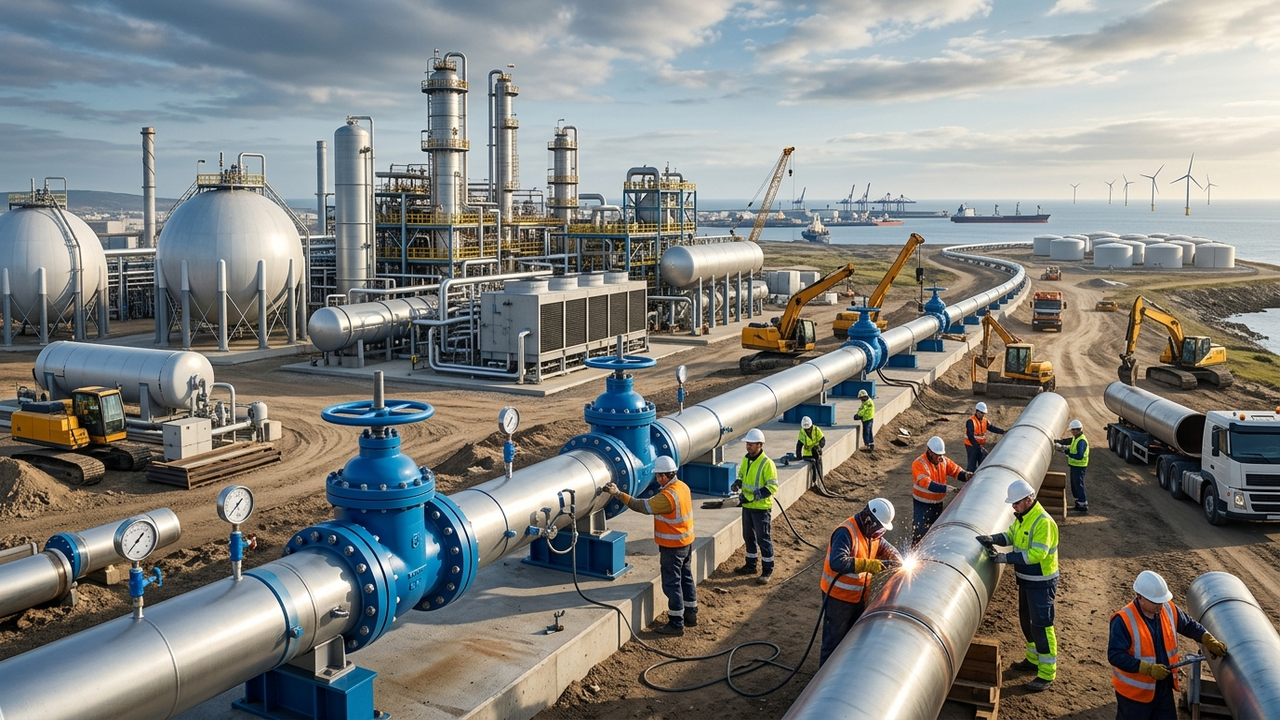
This advancement is primarily driven by large-scale projects focused on the production, transport, storage, and utilization of green and low-carbon hydrogen. Specifically, these include multi-hundred-megawatt to gigawatt-scale electrolyzer projects, the repurposing of existing gas pipelines for hydrogen, the construction of new hydrogen pipeline networks, the development of liquefied hydrogen terminals, and the integration of fuel cell technologies into industrial applications and mobility. Many projects have reportedly reached Final Investment Decision (FID) and completed Front-End Engineering Design (FEED) stages, indicating that they have been deemed economically and technically viable. For instance, in certain regions, government subsidies and long-term offtake agreements are instrumental in de-risking and enabling project realization.
Background & Context
In recent years, governments worldwide have formulated hydrogen strategies and announced significant investments and policy support to meet decarbonization targets. However, initial hydrogen projects faced barriers such as technical challenges, high costs, and regulatory uncertainties, often remaining in the conceptual stage. This report indicates that these barriers are gradually being overcome, with policy support and technological innovation acting as key drivers for concrete project advancement. This signifies that hydrogen is becoming established not merely as a future potential but as a tangible energy solution.
Strategic Significance & Outlook
The transition of hydrogen projects into execution phases will stimulate investment and job creation across the entire supply chain, accelerating the full-scale expansion of the hydrogen economy. New business opportunities will emerge particularly for electrolyzer manufacturers, infrastructure developers, and hydrogen-fueled industrial sectors. If this momentum continues, the cost of green hydrogen production is projected to decrease further towards the 2030s, leading to wider adoption across industries. It will also contribute to the formation of an international hydrogen trading market, supporting global energy security and decarbonization efforts.
Get our weekly technology intelligence — free
Receive an infographic that lets you judge at a glance whether each field’s analysis report is worth reading.
Subscribe Free — Weekly Tech Intelligence
By subscribing, you’ll receive Troy-Technical’s weekly technology intelligence newsletter.
- Your email and selected fields are used only to deliver the newsletter.
- We never share your information with third parties.
- You can unsubscribe anytime via the link in each email.
See our Privacy Policy for details.
Takes about a minute · Unsubscribe anytime








Comments