Key Findings
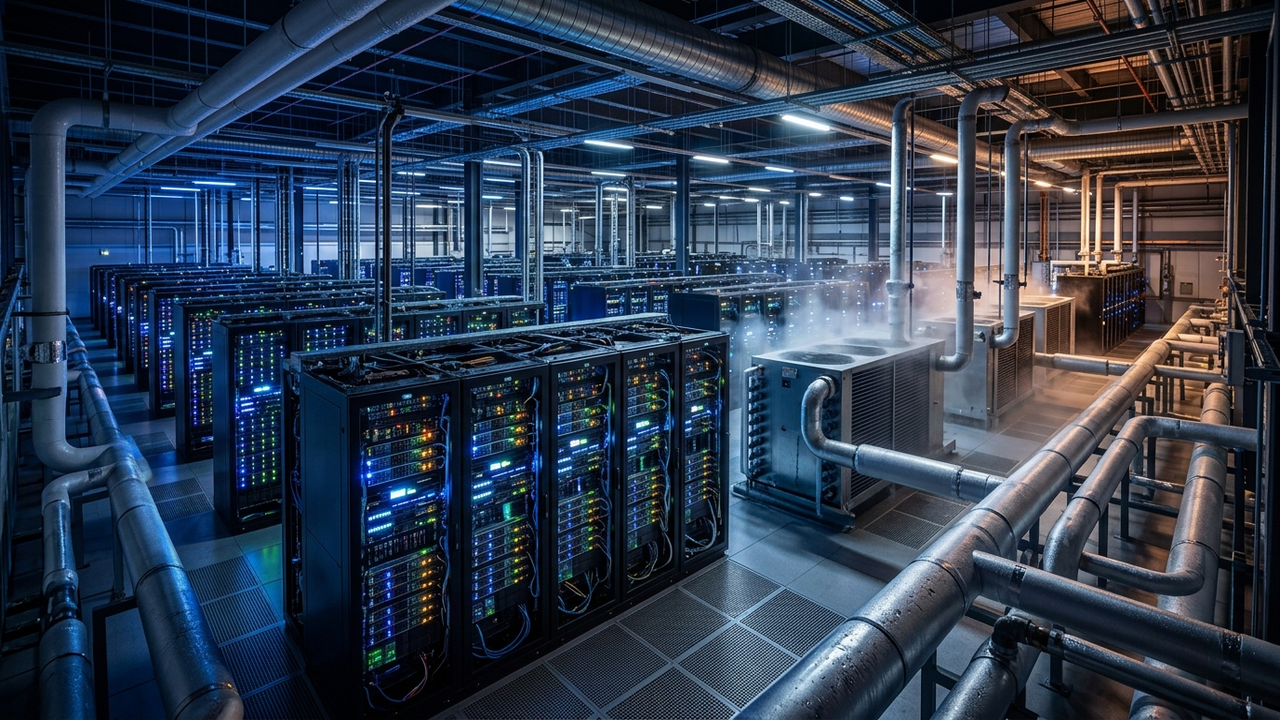
TechTarget highlights that the rapid increase in power demand from AI data centers, while driving the adoption of advanced cooling technologies like closed-loop liquid cooling and dry cooling to minimize operational water consumption, is concurrently giving rise to a new environmental burden: the “shadow water problem.” This issue stems from the indirect water usage associated with the power generation required to fuel data centers. Meta’s reports indicate that indirect water consumption linked to purchased electricity is approximately 24 times higher than direct data center cooling water usage, offering a critical new perspective on the environmental impact of AI infrastructure.
Technical / Clinical Details
- Reduction in Direct Data Center Water Use: To cope with rising thermal densities, AI data centers are implementing technologies such as liquid cooling and dry cooling systems that either recycle water or minimize evaporation. This leads to a reduction in direct cooling water consumption within the data center facility itself.
- Definition of the Shadow Water Problem: The “shadow water problem” refers to the substantial indirect water usage attributed to the power generation processes (particularly thermal and nuclear power plants) required to produce the electricity consumed by data centers. This indirect water footprint occurs upstream, often in locations distinct from the data center, but contributes significantly to its overall environmental impact.
- Meta’s Data: Meta has reported that the indirect water consumption associated with the electricity purchased for its data centers is approximately 24 times that of the data centers’ direct cooling water usage. This figure profoundly illustrates the extensive impact of power source selection on water sustainability within AI data center infrastructure planning.
- Integrated Power Planning Imperative: Sustainable power planning for AI data centers necessitates a holistic approach that goes beyond mere energy efficiency. It must comprehensively consider the power generation mix (e.g., renewables, fossil fuels, nuclear), the type of cooling technology employed, regional water availability, and peak power demand scenarios.
Background & Context
The explosive growth of generative AI has pushed data center power consumption to unprecedented levels. Forecasts from the International Energy Agency (IEA) suggest that data center electricity demand could double from 460 TWh in 2022 to over 1000 TWh by 2026. This surge in power demand not only exacerbates climate change concerns but also introduces new anxieties regarding water resources. Many power generation processes, especially thermal and nuclear, require vast quantities of water for cooling, meaning increased electricity consumption can severely strain water-stressed regions. The “shadow water problem,” as highlighted by TechTarget, illustrates the complexity of environmental sustainability challenges facing the AI industry, indicating the need to consider the entire supply chain’s environmental footprint, not just localized impacts.
Strategic Significance & Outlook
The “shadow water problem” is likely to establish new benchmarks for AI data center design and operation, placing water sustainability on par with, or even above, power efficiency. Data center operators will increasingly explore multi-faceted strategies, including leveraging renewable energy sources, selecting water-efficient cooling technologies, and strategically locating data centers in water-rich regions. Regulators and investors are also expected to intensify scrutiny on the AI industry’s environmental footprint, particularly water usage. Addressing this issue will be crucial for the social acceptance and sustainable growth of AI, driving next-generation AI data centers towards more integrated and environmentally conscious designs.
Get our weekly technology intelligence — free
Receive an infographic that lets you judge at a glance whether each field’s analysis report is worth reading.
Subscribe Free — Weekly Tech Intelligence
By subscribing, you’ll receive Troy-Technical’s weekly technology intelligence newsletter.
- Your email and selected fields are used only to deliver the newsletter.
- We never share your information with third parties.
- You can unsubscribe anytime via the link in each email.
See our Privacy Policy for details.
Takes about a minute · Unsubscribe anytime








Comments