Key Findings
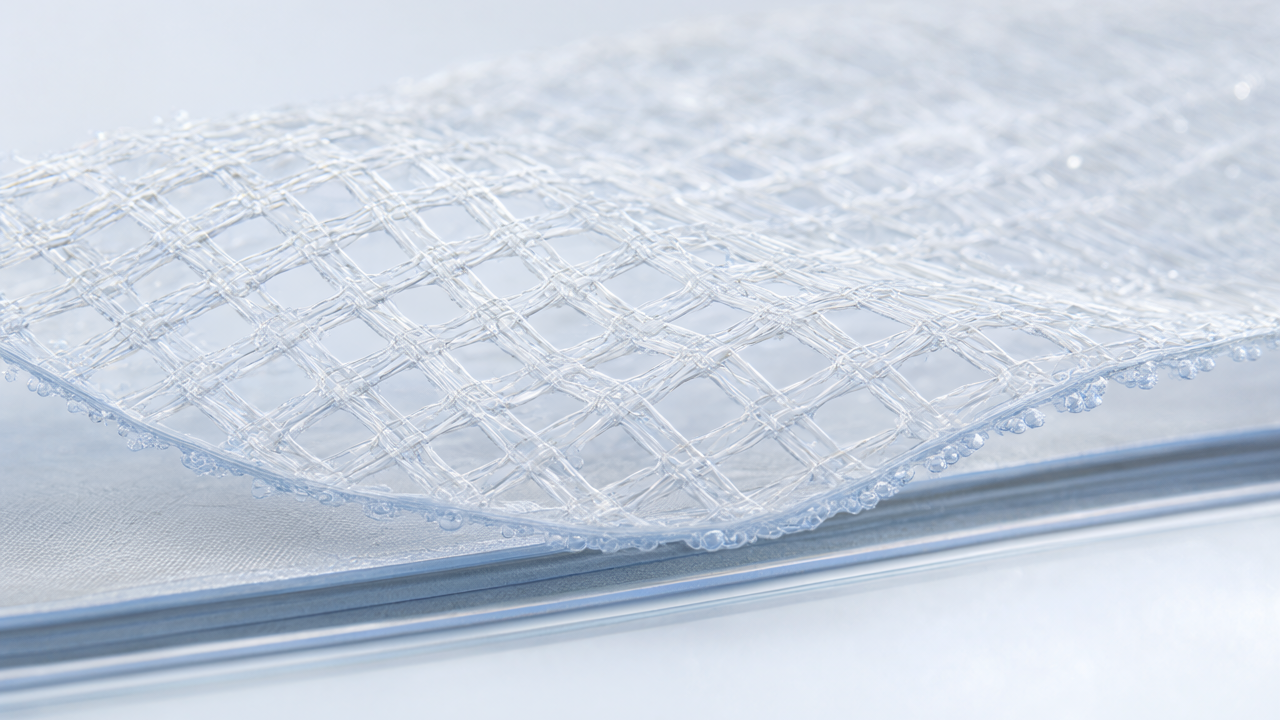
PVF and NBC Meshtec announced the availability of a precision-woven polymer mesh designed specifically for electrolyzer membranes and stacks at the Hydrogen and Carbon Capture Technology World Expo 2026. This advanced solution aims to significantly enhance the efficiency and durability of electrolyzer systems. It achieves exceptional mechanical stability for membranes while maintaining an ultra-thin profile of approximately 40 micrometers (µm) and a high open area of up to 70%, promising improved performance and lifespan for hydrogen production and carbon capture technologies.
Technical / Clinical Details
The polymer mesh serves two critical functions within electrolyzer systems. Firstly, as a “membrane reinforcement mesh,” it provides mechanical support to prevent membrane tearing or deformation, ensuring stability while its high open area facilitates unimpeded ion transport. Secondly, as a “spacer and functional mesh,” it maintains precise spacing between cells within the electrolyzer, promoting uniform flow of electrolytes and gases. This optimization maximizes electrode reaction efficiency and contributes to stable system operation. The mesh is fabricated from high-performance polymers such as PEEK (Polyetheretherketone), PPS (Polyphenylene Sulfide), PFA (Perfluoroalkoxy), and PESU (Polyethersulfone). These materials are selected for their excellent chemical resistance, thermal stability, and mechanical strength, ensuring reliable performance under the harsh operating conditions of electrolyzers. The precision weaving technology guarantees consistent thickness and open area, optimizing electrolyzer performance.
Background & Context
As the global transition to clean energy accelerates, hydrogen is gaining prominence as a next-generation energy carrier, and Carbon Capture, Utilization, and Storage (CCUS) technologies are crucial for achieving decarbonization goals. Efficient electrolyzer systems are central to both these technologies. The performance of electrolyzers heavily relies on the quality of internal components like membranes and spacers. Existing materials have presented challenges in balancing durability, efficiency, and cost. PVF and NBC Meshtec’s precision-woven polymer mesh addresses these issues, contributing to longer electrolyzer lifespans and higher efficiencies, thereby supporting the reduction of hydrogen production costs and the broader adoption of CCUS technologies.
Strategic Significance & Outlook
The introduction of this precision polymer mesh by PVF and NBC Meshtec holds significant potential to be a game-changer in the hydrogen energy and CCUS sectors. High-durability and efficient components will bolster the commercial viability of electrolyzers, supporting large-scale clean hydrogen production projects and industrial carbon capture initiatives. Both companies aim to further develop this technology, expanding its application across various electrolyzer types (e.g., PEM, Alkaline, SOEC) and carbon capture processes, contributing to the realization of a sustainable society. Given the global drive towards decarbonization, demand for high-performance polymer meshes is expected to continue its upward trajectory.
Get our weekly technology intelligence — free
Receive an infographic that lets you judge at a glance whether each field’s analysis report is worth reading.
Subscribe Free — Weekly Tech Intelligence
By subscribing, you’ll receive Troy-Technical’s weekly technology intelligence newsletter.
- Your email and selected fields are used only to deliver the newsletter.
- We never share your information with third parties.
- You can unsubscribe anytime via the link in each email.
See our Privacy Policy for details.
Takes about a minute · Unsubscribe anytime






Comments