Key Findings
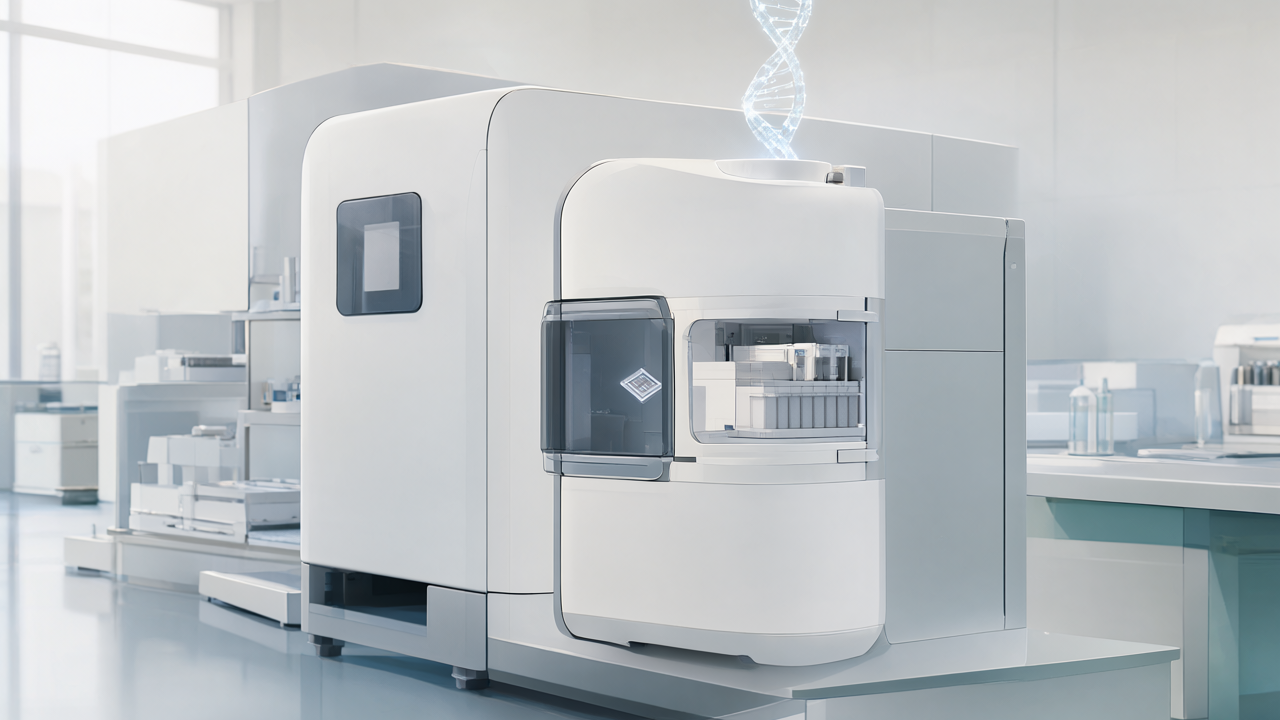
Roche Diagnostics has inaugurated Spain’s first large-scale DNA sequencer, strategically installed at the National Centre for Genomic Analysis (CNAG) in Barcelona. This advanced system is capable of analyzing an entire human genome in an unprecedented four hours, marking a substantial reduction in typical sequencing timelines. This technological leap is expected to dramatically accelerate research efforts in critical areas such as cancer, rare diseases, and other genetic conditions, thereby fostering breakthroughs in diagnostics and the development of novel therapeutic strategies.
Technical / Clinical Details
The Roche Diagnostics sequencer integrates several innovative technologies to achieve its high throughput and accuracy. Central to its operation are proprietary ‘Xpandomers,’ which replicate genetic code to create larger molecules, making them easier and more reliable to read. This method enhances both the efficiency and precision of data acquisition compared to conventional sequencing techniques. Complementing this, the system incorporates reusable sensors and an advanced analysis module. These components collectively contribute to the generation of ultra-fast and high-quality genomic data, allowing researchers to rapidly extract clinically actionable insights from complex genomic profiles, which is crucial for advancing personalized medicine.
Background & Context
Genomic sequencing is a foundational tool in modern precision medicine, particularly indispensable for personalized cancer treatments and the diagnosis of inherited disorders. However, historical challenges, including the intensive data processing requirements, high costs, and lengthy analysis durations, have impeded its widespread adoption. Roche Diagnostics’ introduction of this sequencer directly addresses these hurdles, significantly bolstering Spain’s genomic medicine infrastructure. In a European landscape characterized by increasing investment in genomic research, such high-performance sequencers are vital for national research institutions to contribute to frontline scientific discoveries. The installation at a public research institution like CNAG is particularly significant, as it promotes broader access to academic research and clinical applications.
Strategic Significance & Outlook
The operationalization of this large-scale DNA sequencer is poised to profoundly transform the landscape of genomic research in Spain and across Europe. Researchers will now be able to analyze vast genomic cohorts in shorter periods, accelerating the identification of new biomarkers and the elucidation of disease mechanisms. This is anticipated to drive revolutionary advancements in early diagnosis of cancer and rare diseases, the development of individualized treatment regimens, and the identification of new drug candidates. Moreover, the dual benefits of reduced sequencing costs and expedited analysis times represent a crucial step towards making genomic sequencing a more routine clinical diagnostic tool, thereby paving the way for the broader implementation of personalized medicine globally.
Get our weekly technology intelligence — free
Receive an infographic that lets you judge at a glance whether each field’s analysis report is worth reading.
Subscribe Free — Weekly Tech Intelligence
By subscribing, you’ll receive Troy-Technical’s weekly technology intelligence newsletter.
- Your email and selected fields are used only to deliver the newsletter.
- We never share your information with third parties.
- You can unsubscribe anytime via the link in each email.
See our Privacy Policy for details.
Takes about a minute · Unsubscribe anytime