Key Findings
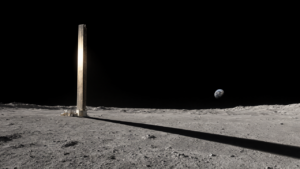
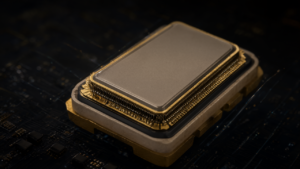
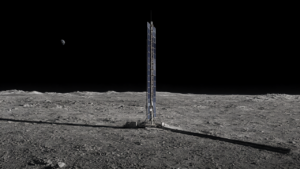
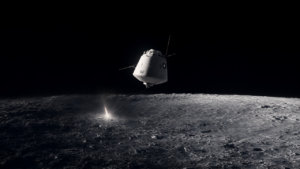
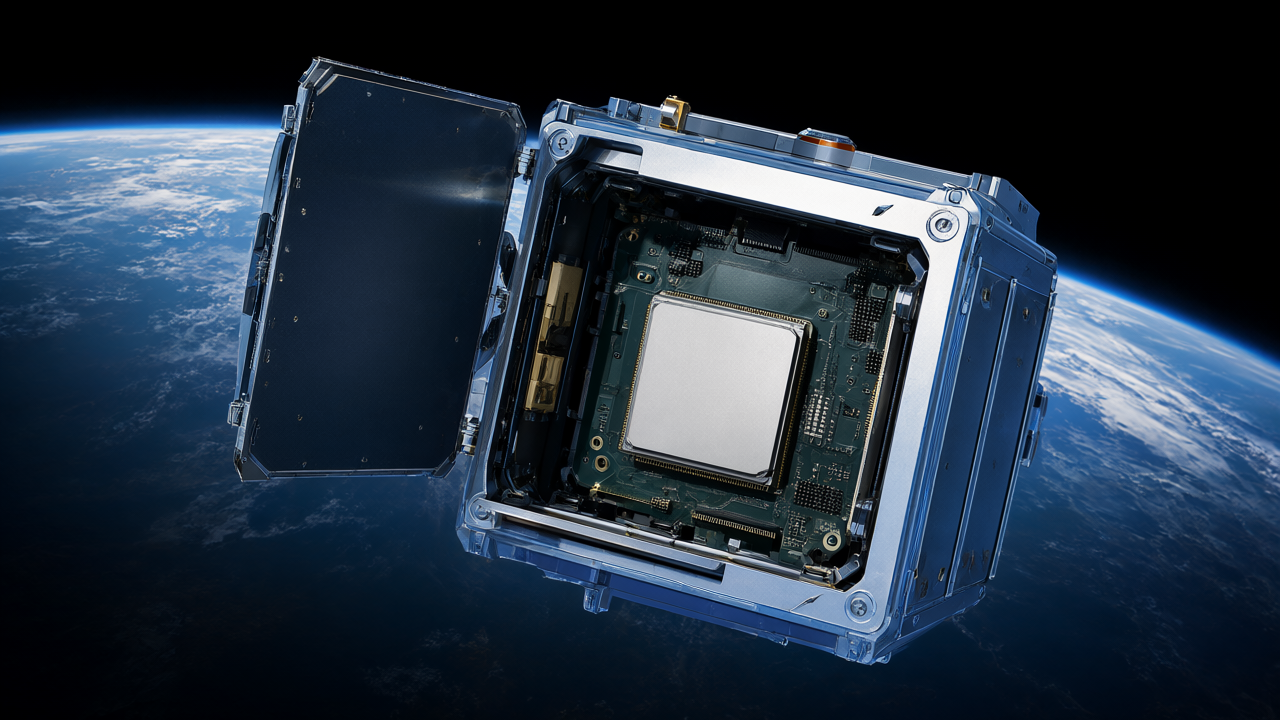
Google has launched a test satellite equipped with its Tensor Processing Unit (TPU) AI semiconductors into orbit using a SpaceX Falcon 9 rocket. This mission represents the first in-orbit test for Google’s ambitious “Project Suncatcher,” which aims to establish AI data centers in space, verifying chip performance and heat dissipation in the extreme cosmic environment.
Technical / Clinical Details
The deployed satellite carries specialized AI hardware designed to withstand and operate within the harsh conditions of space, including intense radiation and the vacuum of orbit. A primary objective is to test the thermal management systems crucial for cooling high-performance computing hardware without atmospheric convection. Furthermore, researchers are actively developing high-speed optical inter-satellite links, which are vital for establishing a functional network of orbital data centers. Future plans include two more satellite launches in 2027, specifically dedicated to testing laser communication capabilities between satellites, a technology essential for seamless data transfer within a space-based network.
Background & Context
The concept of space-based data centers has gained traction among innovators like Elon Musk, and Google’s active pursuit with “Project Suncatcher” signifies a serious commitment to this frontier. Traditional terrestrial data centers face escalating challenges related to energy consumption and cooling infrastructure. By shifting AI computing to space, Google aims to exploit the vacuum for passive cooling and potentially harness solar energy more efficiently, mitigating these environmental and operational burdens. This initiative could revolutionize fields ranging from real-time Earth observation data processing to autonomous deep-space missions and robust lunar/Martian base operations.
Strategic Significance & Outlook
Google’s current testing phase lays foundational groundwork for a distributed network of AI data centers orbiting Earth. Such an infrastructure promises to dramatically reduce data latency, enabling near real-time decision-making for critical space missions and vastly improving the speed of data analytics from orbital assets. The successful development of high-speed inter-satellite laser communication will be a game-changer, significantly increasing data throughput between Earth and space, unlocking new commercial ventures and scientific research possibilities. Establishing the reliability and efficiency of AI hardware in space represents a crucial milestone for the broader space industry, paving the way for advanced space-based services and capabilities.
Source: https://biz.chosun.com/en/en-it/2026/10/02/V5USPGIS75AXVBR2B5A4PMSMUA/
Get our weekly technology intelligence — free
Receive an infographic that lets you judge at a glance whether each field’s analysis report is worth reading.
Subscribe Free — Weekly Tech Intelligence
By subscribing, you’ll receive Troy-Technical’s weekly technology intelligence newsletter.
- Your email and selected fields are used only to deliver the newsletter.
- We never share your information with third parties.
- You can unsubscribe anytime via the link in each email.
See our Privacy Policy for details.
Takes about a minute · Unsubscribe anytime