

Key Findings
Rigorous engineering analysis confirms that the Orion spacecraft’s thermal protection system (TPS) effectively safeguarded the crew and systems during reentry from the Moon. The most significant result was a ten-fold reduction in cracking and char loss compared to the Artemis I mission; engineers identified only nine spots of char loss on the Artemis II heat shield, down from 103 in Artemis I.
Technical Details
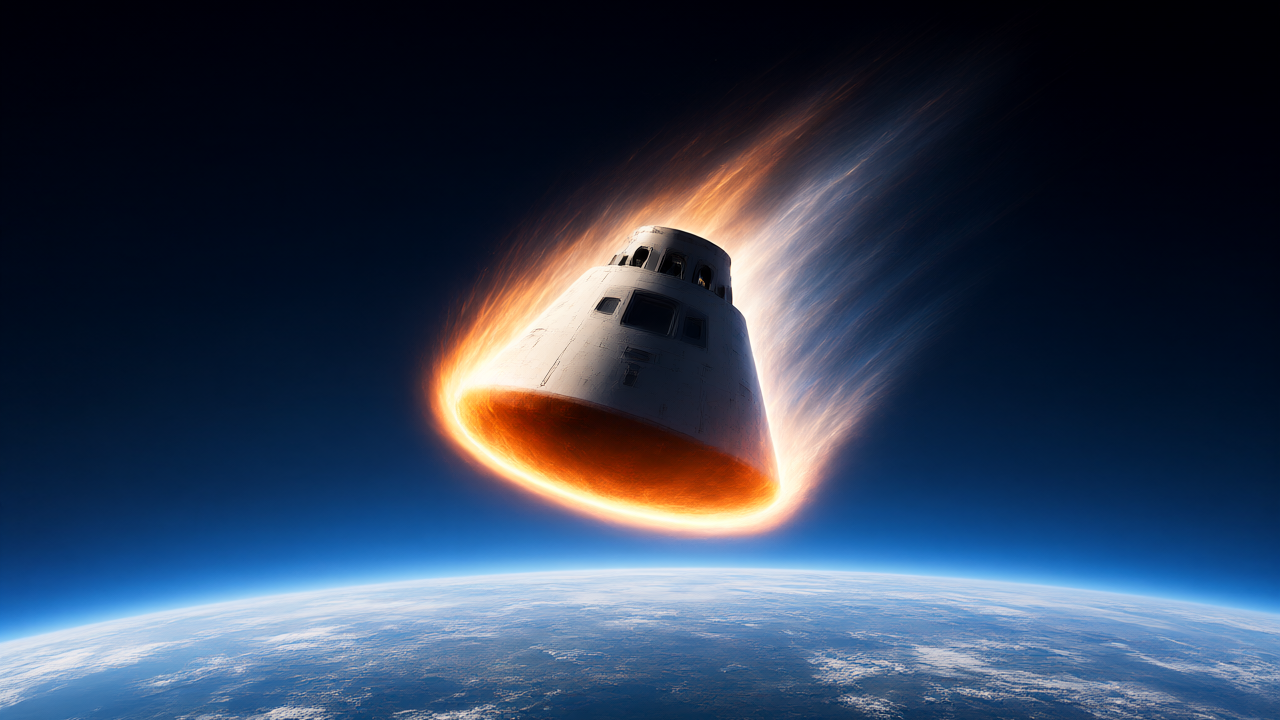
During reentry, Orion reached a maximum velocity of 39 times the speed of sound, with external temperatures exceeding 4,000 degrees Fahrenheit. Despite these conditions, the cabin temperature remained in the mid-70 degree Fahrenheit range. The spacecraft demonstrated high precision, entering within 192 feet of its targeted entry interface and splashing down 0.59 miles from the predicted site off the coast of San Diego.
The heat shield consists of 186 unique blocks of Avcoat, an ablative material. Post-flight evaluations included:
- Diver imagery and recovery ship inspections immediately following splashdown.
- Internal x-ray scans and sample extraction at NASA’s Marshall Space Flight Center.
- Post-flight laser scans to determine material recession.
- Inspection of the backshell, comprising 1,300 ceramic tiles, which showed no signs of overheating around windows, vents, thrusters, and the side hatch.
Background and Context
To mitigate the heat shield phenomena observed during Artemis I, NASA utilized arc jet material testing at the Ames Research Center to modify the Artemis II reentry trajectory. By shortening the maximum downrange distance between atmospheric entry and splashdown, NASA limited the duration the heat shield spent in the critical temperature range that caused previous issues.
Significance and Outlook
The robustness of the Avcoat blocks and the effectiveness of the trajectory change provide a foundation for future lunar missions. NASA has already implemented upgrades to the Artemis III heat shield design to ensure uniformity and consistent permeability of the Avcoat blocks. Looking ahead, NASA will launch the SLS rocket and Orion with astronauts Randy Bresnik, Frank Rubio, Andre Douglas, and Luca Parmitano to rendezvous with Blue Origin and SpaceX human lander test articles, preceding the Artemis IV mission in 2028.
Get our weekly technology intelligence — free
Receive an infographic that lets you judge at a glance whether each field’s analysis report is worth reading.
Subscribe Free — Weekly Tech Intelligence
By subscribing, you’ll receive Troy-Technical’s weekly technology intelligence newsletter.
- Your email and selected fields are used only to deliver the newsletter.
- We never share your information with third parties.
- You can unsubscribe anytime via the link in each email.
See our Privacy Policy for details.
Takes about a minute · Unsubscribe anytime