
Key Findings
In a first-in-human phase 1 study of 105 patients with high-grade ovarian cancer (HGOC), the antibody-drug conjugate (ADC) sofetabart mipitecan achieved a confirmed objective response rate (ORR) of 50.5%, including 5 complete responses and 48 partial responses. At the selected phase 3 dose of 3 mg/kg, the ORR was 58.8%. The median progression-free survival (PFS) was 8.1 months with a median follow-up of 12.9 months. Notably, the ORR was 44.4% in patients with FRα expression below 75% and 56.5% in those with expression of 75% or higher.
Technical Details
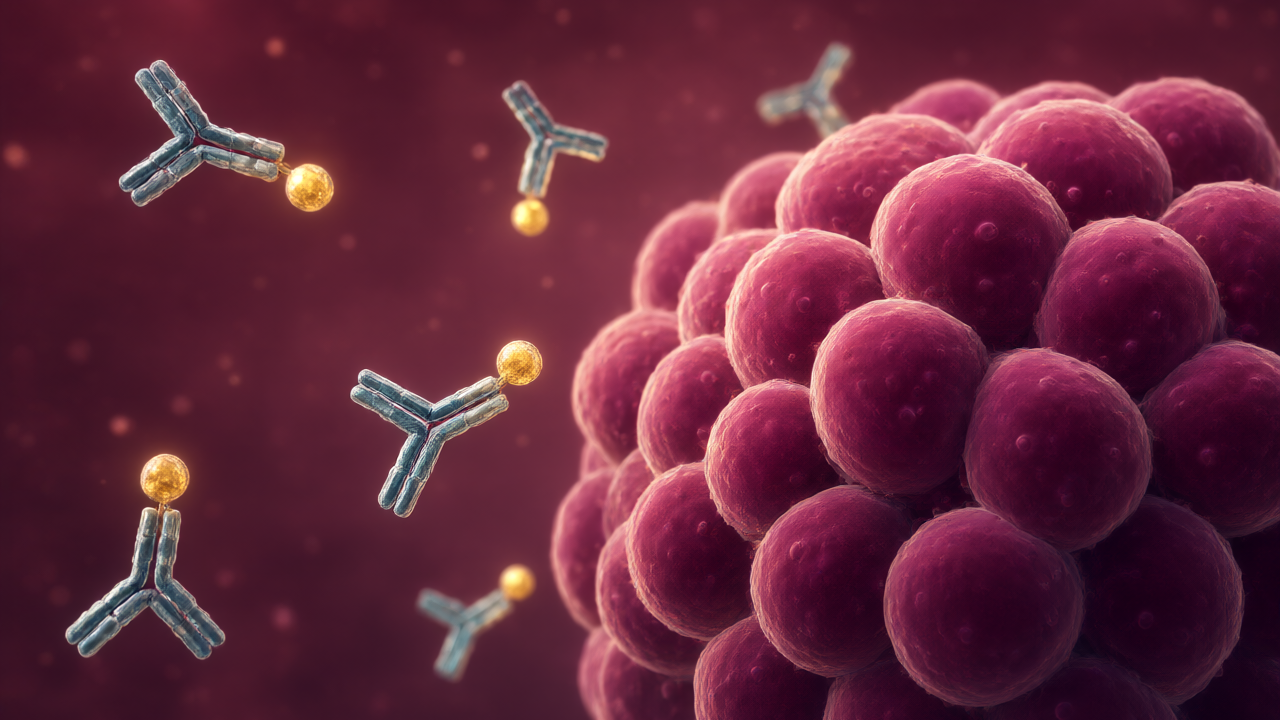
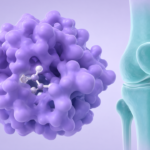
Sofetabart mipitecan (LY4170156) consists of an Fc-silent, FRα-specific humanized IgG1 antibody linked to exatecan, a topoisomerase I inhibitor, via a cleavable hydrophilic polysarcosine linker. The drug-to-antibody ratio is 8. Data indicated high stability in circulation, with less than 3% of the payload released at peak concentration.
The study evaluated doses of 2, 3, 4, and 6 mg/kg administered intravenously every 21 days. The 3 mg/kg dose was selected for the FRAmework-01 trial because it showed similar response rates to the 4 mg/kg dose but with fewer grade 3 or higher treatment-related adverse events (35.3% vs 56.4%) and fewer dose reductions (23.5% vs 41.0%).
Background and Context
FRα is overexpressed in up to 90% of ovarian cancers. Current approved FRα-targeted ADCs, such as mirvetuximab soravtansine, are restricted to patients with high expression (at least 75% of cells at 2+ intensity), covering roughly one-third of platinum-resistant ovarian cancer (PROC) patients. In contrast, this study included patients regardless of expression levels; 51.4% of participants had tumors with FRα expression below 75%. Among 19 patients previously treated with mirvetuximab soravtansine, the ORR remained 57.9%.
Significance and Outlook
The most common treatment-emergent adverse events were nausea (64.8%), fatigue (56.2%), and anemia (47.6%). No keratopathy was reported. In January 2026, the FDA granted breakthrough therapy designation to sofetabart mipitecan for platinum-resistant epithelial ovarian cancer.
Source: https://www.targetedonc.com/view/sofetabart-mipitecan-responses-fr-levels-ovarian-cancer
Get our weekly technology intelligence — free
Receive an infographic that lets you judge at a glance whether each field’s analysis report is worth reading.
Subscribe Free — Weekly Tech Intelligence
By subscribing, you’ll receive Troy-Technical’s weekly technology intelligence newsletter.
- Your email and selected fields are used only to deliver the newsletter.
- We never share your information with third parties.
- You can unsubscribe anytime via the link in each email.
See our Privacy Policy for details.
Takes about a minute · Unsubscribe anytime