
Key Findings
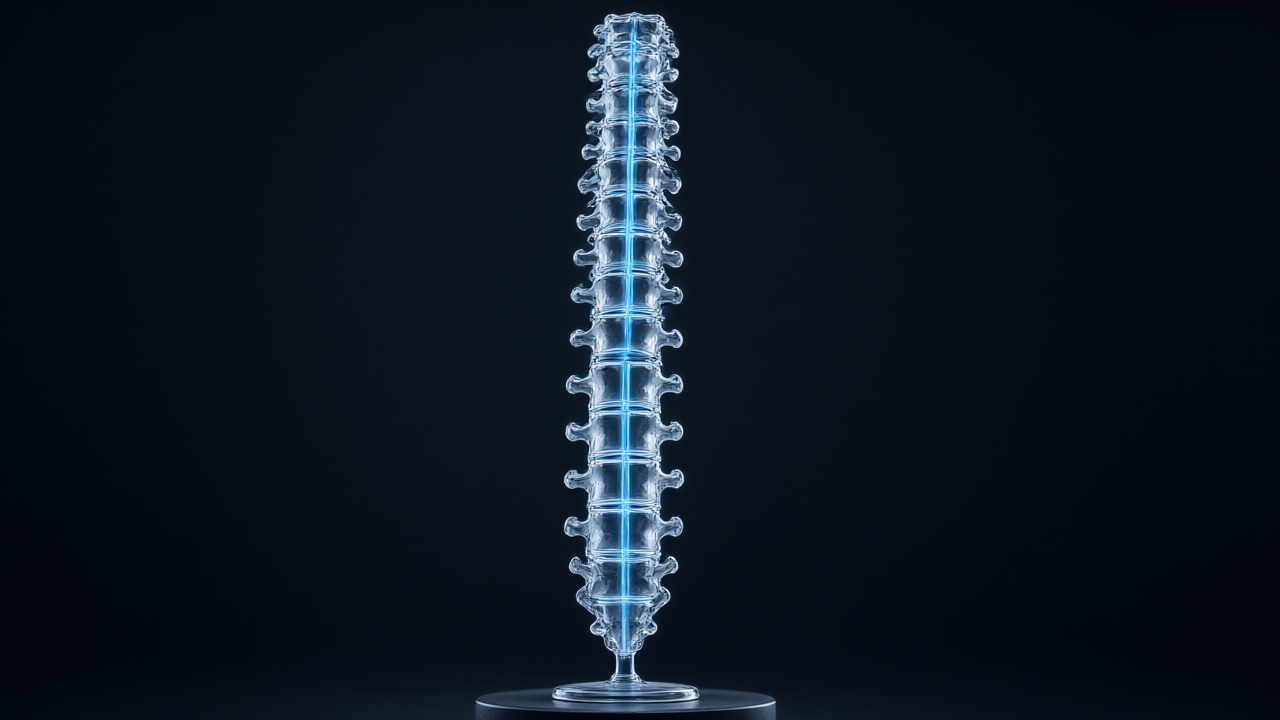
A clinical study led by Professor Hideyuki Okano of Keio University demonstrated the safety of transplanting induced pluripotent stem (iPS) cell-derived neural cells into patients with complete spinal cord injuries. In a group of four participants, no tumor formation or severe side effects related to the transplanted cells were observed during a follow-up period of up to four years. Regarding efficacy, two of the four patients improved to grade C or higher on a five-point motor function scale (where A is complete loss and E is normal function), exceeding the historical recovery rate of approximately 12% for complete injuries. One patient recovered sufficiently to begin walking training.
Technical Details
The research team utilized “neural stem/progenitor cells” derived from iPS cells, which differentiate into neurons and supporting cells. The procedure involved injecting 2 million cells directly into the injury site between 14 and 28 days post-injury. To ensure safety, the team conducted genomic testing for cancer-related mutations and chromosomal abnormalities, and performed tumor-formation tests in immunodeficient mice. Motor function was measured using a five-point scale and a comprehensive motor score; the latter showed a median increase of 13 points after 52 weeks, compared to a 7-point increase in historical control data from the Comprehensive Spinal Cord Injury Center in Fukuoka.
Background and Context
The study focused on “complete injuries” to distinguish treatment effects from natural recovery. While animal experiments on mice and monkeys previously showed success, ethical constraints hindered human trials using fetal tissues, leading the team to adopt iPS technology developed by Professor Shinya Yamanaka. The study was conducted under the highest risk category of regenerative medicine guidelines and reviewed by a Ministry of Health, Labour and Welfare expert committee.
Significance and Outlook
Keio University and its venture company, K-Pharma, in collaboration with Nikon Cell Innovation, aim to start company-led clinical trials by 2027. Professor Okano intends to seek conditional and time-limited approval within three to four years. Future research will target chronic-phase patients with incomplete injuries and explore combining cell therapy with intensive rehabilitation. Additionally, the team is investigating the application of this technology to stroke treatment and developing oral medications for ALS.
Source: https://japan-forward.com/ja/ips-cell-spinal-cord-injury-keio-okano-clinical-trial/
Get our weekly technology intelligence — free
Receive an infographic that lets you judge at a glance whether each field’s analysis report is worth reading.
Subscribe Free — Weekly Tech Intelligence
By subscribing, you’ll receive Troy-Technical’s weekly technology intelligence newsletter.
- Your email and selected fields are used only to deliver the newsletter.
- We never share your information with third parties.
- You can unsubscribe anytime via the link in each email.
See our Privacy Policy for details.
Takes about a minute · Unsubscribe anytime