

Key Findings
A clinical study involving four patients with complete spinal cord injuries showed that the transplantation of induced pluripotent stem cell (iPSC)-derived neural stem/progenitor cells is safe. Follow-up periods of up to four years, including MRI and PET scans, revealed no evidence of tumor formation or serious side effects. Regarding efficacy, two of the four patients improved from grade A to grade C or better on a five-grade motor function scale, compared to a 12% improvement rate in historical data. Additionally, the median total motor score rose by 13 points after 52 weeks, exceeding the 7 points observed in the historical control group.
Technical Details
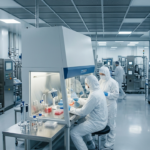
The treatment involved injecting 2 million cells into the injury site of each patient between December 2021 and November 2023, specifically within 14 to 28 days post-injury. To ensure safety, the Keio University team screened cells for chromosomal abnormalities, infections, and cancer-linked mutations, and conducted monitoring in immune-compromised mice. The study focused on “complete” injuries to eliminate the possibility of natural recovery confounding the results. Rehabilitation was limited to standard national insurance coverage to isolate the effects of the cell transplant.
Background and Context
iPS cells, developed by Shinya Yamanaka in 2006, allow mature cells like skin cells to be reprogrammed into various cell types. Hideyuki Okano’s team transitioned to iPS cells after earlier research using fetal-derived neural stem cells faced ethical hurdles for human trials in Japan. The current trial was conducted under Japan’s highest-risk category for regenerative medicine following a health ministry panel review.
Significance and Outlook
While the small sample size prevents definitive conclusions on effectiveness, the safety data supports further development. K Pharma, a Keio University spinoff, is collaborating with Nikon Cell Innovation on manufacturing, with company-led trials targeted for 2027. Okano seeks conditional, time-limited approval within three to four years. Future research is expanding to chronic-phase patients with incomplete injuries and potential applications for stroke.
Source: https://japan-forward.com/ips-cell-spinal-cord-injury-keio-okano-clinical-trial/
Get our weekly technology intelligence — free
Receive an infographic that lets you judge at a glance whether each field’s analysis report is worth reading.
Subscribe Free — Weekly Tech Intelligence
By subscribing, you’ll receive Troy-Technical’s weekly technology intelligence newsletter.
- Your email and selected fields are used only to deliver the newsletter.
- We never share your information with third parties.
- You can unsubscribe anytime via the link in each email.
See our Privacy Policy for details.
Takes about a minute · Unsubscribe anytime