Key Findings
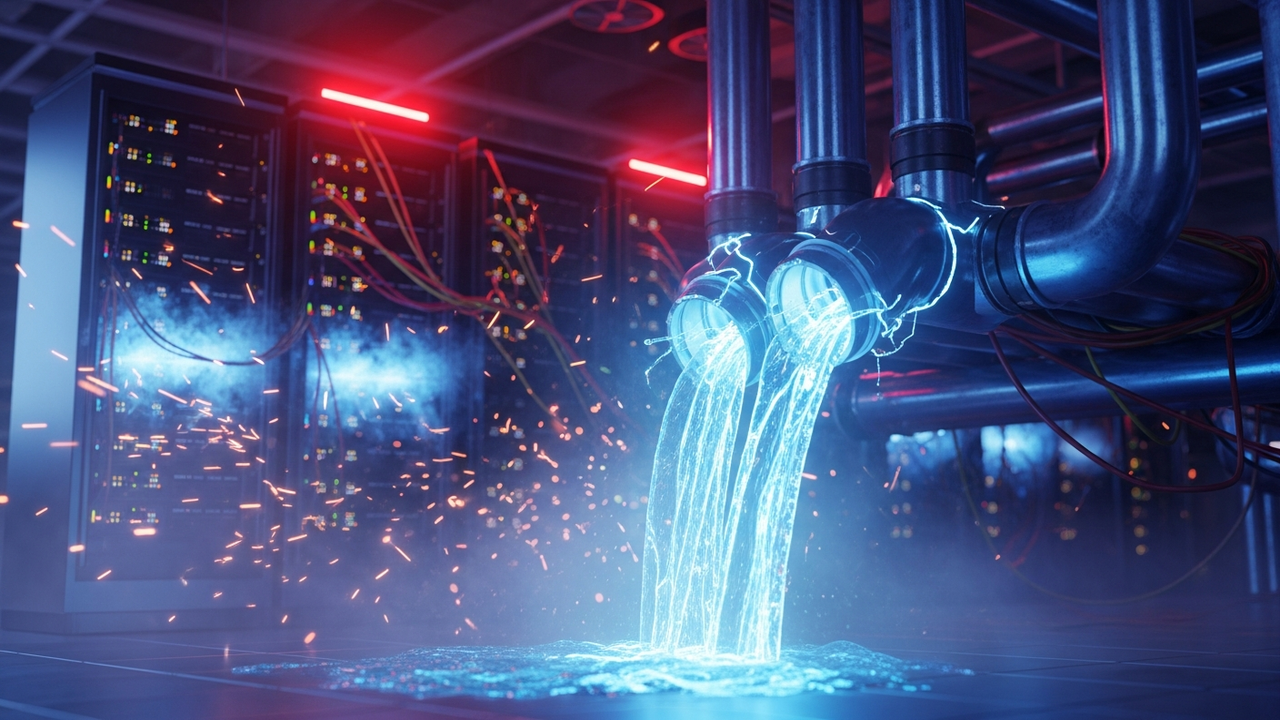
AI data centers face a significant threat from liquid cooling system failures, which can lead to severe overheating and astronomical downtime costs, potentially reaching up to $38 billion for facilities with 1-gigawatt capacity. Given that the construction of such large-scale AI data centers can cost up to $38 billion, the reliability of their cooling infrastructure is paramount to protect these massive investments and ensure continuous operation.
Technical Details
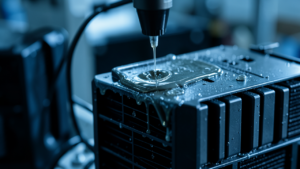
The intense thermal loads generated by high-performance GPUs and CPUs in AI data centers necessitate liquid cooling solutions, as traditional air-cooling methods are often insufficient. However, these advanced liquid cooling systems introduce new vulnerabilities. Common failure points include malfunctions of circulation pumps, leaks in the cooling infrastructure, and degradation of the coolant itself. Any of these issues can cause rapid temperature spikes within server racks, leading to performance throttling, hardware damage, and potentially cascading system outages. The stable operation of cooling systems is directly correlated with the performance and reliability of AI workloads, making any failure a critical threat to the entire data center’s operational integrity.
Background & Context
The explosive growth of AI technology, particularly in generative AI and large language models (LLMs), places unprecedented demands on underlying data center infrastructure. The computational intensity required for training and inference generates enormous amounts of heat, pushing conventional cooling technologies beyond their limits and driving the industry towards liquid cooling. While this shift is essential, it also highlights emerging operational challenges and risks associated with these new technologies. With investments in data center infrastructure escalating, the dependability of cooling systems has become a critical factor for return on investment and business continuity in the AI era.
Strategic Significance & Outlook
To ensure the uninterrupted operation of AI data centers, prioritizing cooling system reliability from the design phase is crucial. This mandates the implementation of highly redundant pump systems, advanced leak detection technologies, intelligent management systems for real-time coolant monitoring, and robust preventative maintenance schedules. Furthermore, improving the reliability of the entire liquid cooling supply chain is a significant challenge. Future advancements are expected to include more sophisticated, self-healing cooling infrastructures that leverage AI for predictive failure analysis and autonomous remediation. The continuous evolution of liquid cooling technologies and optimized operational management will be key enablers for the sustainable growth of AI data centers globally.
Get our weekly technology intelligence — free
Receive an infographic that lets you judge at a glance whether each field’s analysis report is worth reading.
Subscribe Free — Weekly Tech Intelligence
By subscribing, you’ll receive Troy-Technical’s weekly technology intelligence newsletter.
- Your email and selected fields are used only to deliver the newsletter.
- We never share your information with third parties.
- You can unsubscribe anytime via the link in each email.
See our Privacy Policy for details.
Takes about a minute · Unsubscribe anytime


Comments