Key Findings
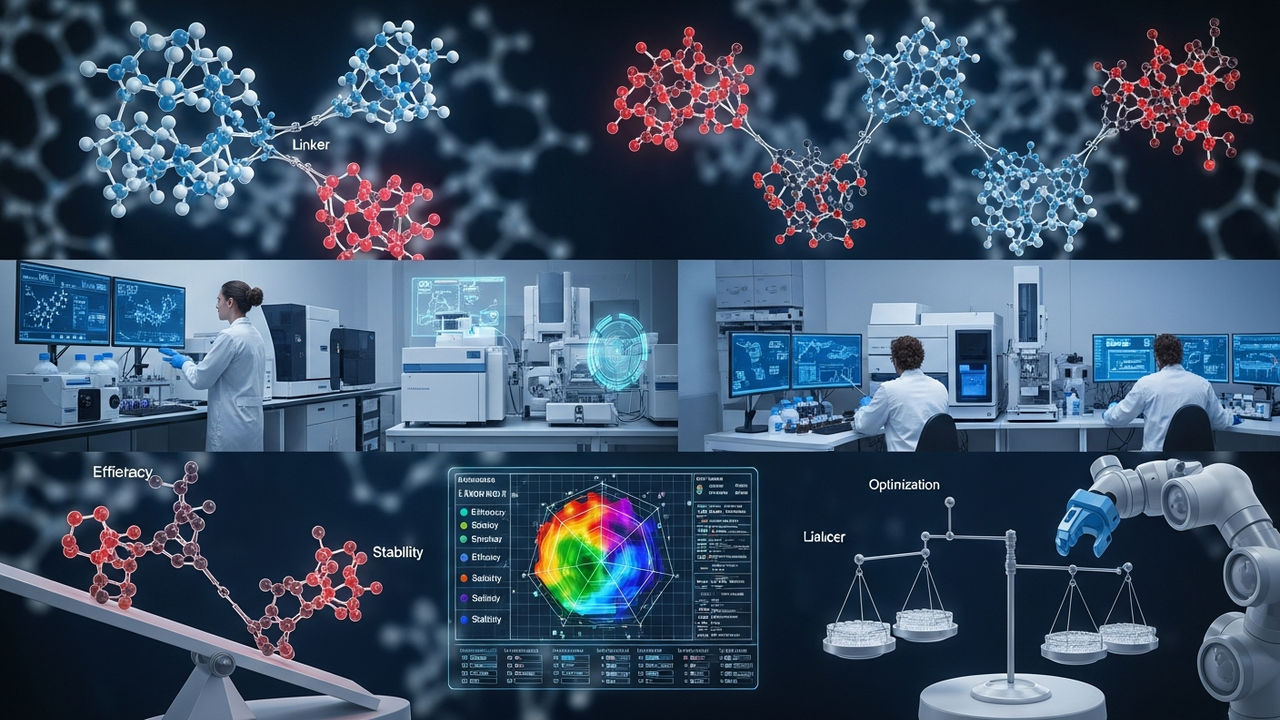
A guide from Chemexpress underscores the paramount importance of selecting the optimal payload linker for the success of antibody-drug conjugate (ADC) development programs. The design of this linker is identified as the critical determinant that balances an ADC’s efficacy, patient safety profile, in vivo stability, and manufacturability — four key pillars for a viable therapeutic.
Technical / Clinical Details
ADCs are complex biologics composed of an antibody, a potent cytotoxic payload, and a chemical linker connecting the two. The linker is not a passive component but actively influences the ADC’s pharmacokinetics, pharmacodynamics, and toxicity. The guide details two primary linker technologies: cleavable linkers, designed to release the payload within cancer cells in response to specific enzymatic activity or pH changes, and non-cleavable linkers, which release the payload upon complete degradation of the ADC inside the cell. The optimal linker choice hinges on several factors, including the expression profile of the target antigen, the payload’s mechanism of action, and the specific biology of the disease. For instance, cleavable linkers might be preferred when rapid intracellular payload release is desired, while non-cleavable linkers are chosen for their superior stability in systemic circulation. Other crucial considerations for linker selection include the payload’s hydrophobicity, the drug-to-antibody ratio (DAR), and the stability requirements during manufacturing processes.
Background & Context
ADCs have long been envisioned as ‘magic bullets’ due to their ability to precisely target cancer cells while minimizing systemic exposure to potent cytotoxins, a significant advantage over conventional chemotherapy. However, early ADC development faced challenges such as premature payload release due to unstable linkers and insufficient targeting specificity, leading to off-target toxicities. Recent advancements in linker chemistry and payload technologies have propelled ADCs into their second and third generations, leading to the approval of several highly effective drugs that have transformed cancer treatment. This guide reflects the deeper scientific understanding driving these advancements, re-emphasizing the critical role of rational linker design in modern ADC development.
Strategic Significance & Outlook
The optimization of linker technology remains a central research area for next-generation ADC development. Progress in creating more stable linkers with precisely controlled payload release capabilities will expand the therapeutic window of ADCs, leading to enhanced efficacy and further reduced side effects. Detailed resources like those provided by CDMOs such as Chemexpress are invaluable for pharmaceutical companies seeking to efficiently advance new ADC programs and improve their chances of clinical success. As personalized medicine evolves, bespoke linker designs tailored to specific patient populations or tumor types are expected to become even more crucial. This ongoing innovation will solidify ADCs’ position as a standard-of-care treatment across a broader spectrum of cancers.
Get our weekly technology intelligence — free
Receive an infographic that lets you judge at a glance whether each field’s analysis report is worth reading.
Subscribe Free — Weekly Tech Intelligence
By subscribing, you’ll receive Troy-Technical’s weekly technology intelligence newsletter.
- Your email and selected fields are used only to deliver the newsletter.
- We never share your information with third parties.
- You can unsubscribe anytime via the link in each email.
See our Privacy Policy for details.
Takes about a minute · Unsubscribe anytime









Comments