Key Findings
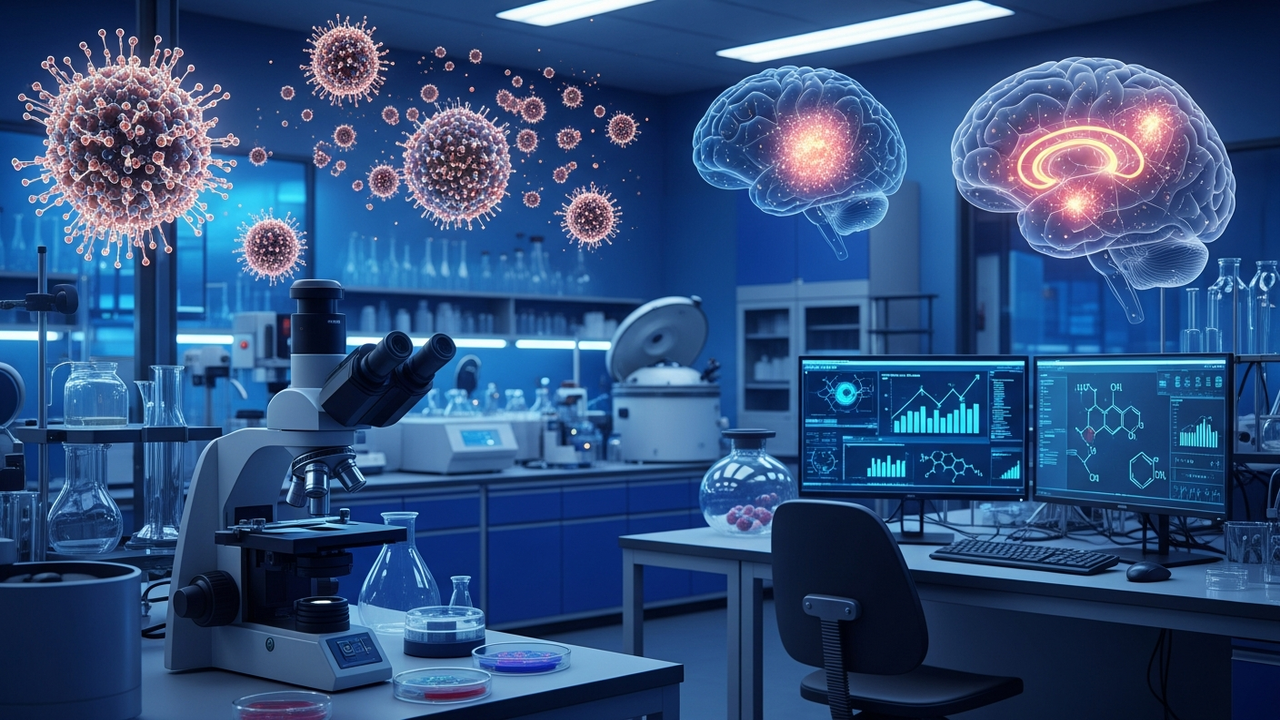
A research team at Oregon State University has developed and presented promising results for a new experimental therapy leveraging sugar-coated nanoparticles against glioblastoma, one of the most aggressive brain cancers. This treatment effectively and directly delivers genetic instructions to brain cancer cells to restore tumor-suppressing proteins. Preclinical studies in mice demonstrated that this nanoparticle therapy increased median survival by 50% and achieved tumor shrinkage, critically, without notable damage to other major organs.
Technical & Clinical Details
This innovative therapy utilizes sugar-coated lipid nanoparticles (LNPs) loaded with messenger RNA (mRNA) for tumor-suppressing genes (e.g., p53 or its activators), rather than cytotoxic agents. The LNPs are designed to efficiently traverse the blood-brain barrier (BBB), and their sugar coating facilitates binding to specific receptors on cancer cell surfaces, enabling selective cellular uptake. Once inside the brain tumor cells, the mRNA is expressed, restoring deficient tumor-suppressing proteins and inducing apoptosis (programmed cell death) in cancer cells. In mouse models, the median survival of the treated group was extended by 50% compared to untreated controls, alongside a significant reduction in tumor volume. Importantly, systemic toxicity was low, and no significant damage was observed in vital organs such as the liver or kidneys.
Background & Context
Glioblastoma is a highly malignant brain tumor with an extremely poor prognosis, even with current standard treatments (surgery, radiation therapy, and chemotherapy). The average survival time is merely around 15 months, making the development of effective new therapies an urgent unmet need. The BBB severely restricts drug delivery to the brain, posing immense challenges for developing new treatments. This sugar-coated nanoparticle approach holds the potential to overcome the limitations of existing therapies by penetrating the BBB and acting specifically on tumor cells.
Strategic Significance & Outlook
The research from Oregon State University could represent a pivotal breakthrough in glioblastoma treatment. The significant improvement in survival rates and favorable toxicity profile in mouse models provide strong justification for advancing this technology to human clinical trials. If successful in clinical development, this approach could offer a more effective and patient-friendly alternative to existing therapies. Furthermore, this sugar-coated nanoparticle drug delivery system (DDS) technology holds promise for application not only in glioblastoma but also in other intractable brain diseases and cancer types, potentially opening new frontiers in DDS research.
Source: https://www.sciencedaily.com/releases/2026/07/260715083542.htm
Get our weekly technology intelligence — free
Receive an infographic that lets you judge at a glance whether each field’s analysis report is worth reading.
Subscribe Free — Weekly Tech Intelligence
By subscribing, you’ll receive Troy-Technical’s weekly technology intelligence newsletter.
- Your email and selected fields are used only to deliver the newsletter.
- We never share your information with third parties.
- You can unsubscribe anytime via the link in each email.
See our Privacy Policy for details.
Takes about a minute · Unsubscribe anytime








Comments