Background: Silicon Anodes — The Key to Higher Energy Density Batteries
The relentless demand for higher energy density in batteries for electric vehicles (EVs) and portable electronics has pushed the performance limits of traditional graphite anodes. Silicon, with a theoretical specific capacity more than ten times that of graphite (approximately 4200 mAh/g vs. 372 mAh/g), stands as the most promising candidate for next-generation anode materials. However, silicon’s inherent challenge lies in its significant volume expansion (up to 300% or more) during lithiation/delithiation cycles, which leads to electrode pulverization, loss of electrical contact, and rapid capacity decay, thus hindering its practical application.
Key Findings / Results: POSCO Future M’s Breakthrough in Mass Production Technology
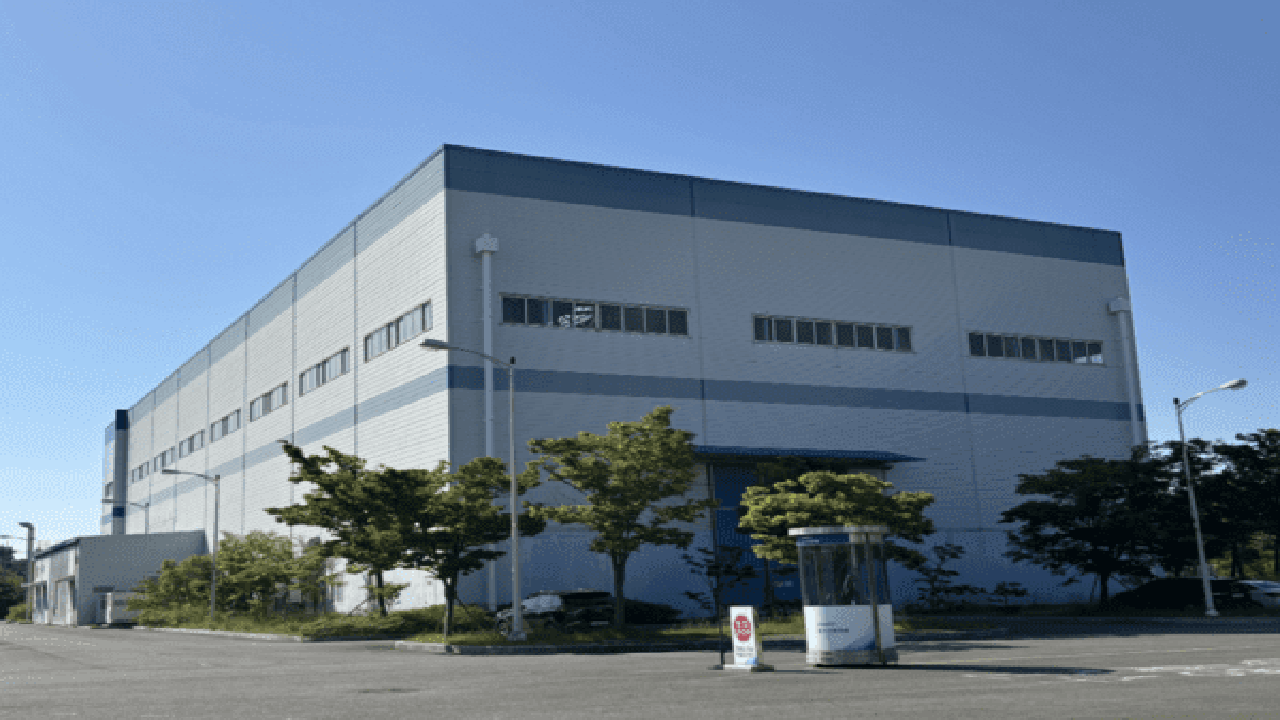
POSCO Future M, a prominent South Korean battery material manufacturer, has announced a significant achievement: the successful establishment of mass production technology for silicon anode materials. The company aims to commence commercial production and supply by 2028, a move that is expected to substantially bolster its competitive edge in the global battery market.
- Innovative Expansion Mitigation: POSCO Future M has addressed the critical issue of silicon’s volume expansion through a proprietary combination of ‘nano-structuring technology’ and ‘carbon composite technology.’ By precisely controlling silicon particles at the nanoscale and encapsulating them within a highly conductive carbon matrix, the company effectively mitigates mechanical stress during cycling, leading to greatly enhanced electrode stability.
- Superior Energy Storage and Cycle Life: The developed silicon anode material demonstrates an impressive ability to store over four times more energy than conventional graphite anodes. Crucially, even with a high silicon content exceeding 20%, the material maintains over 80% capacity retention after 1,000 charge-discharge cycles, a vital metric for practical battery longevity in demanding applications.
- Strategic Market Focus: The company plans to target high-value applications such as premium EV models requiring extended range, humanoid robots demanding high reliability and long lifespan, and Urban Air Mobility (UAM) solutions where lightweight and high-power batteries are indispensable.
Technical Significance & Outlook: Advancing Next-Gen Mobility and Korean Industrial Leadership
POSCO Future M’s success in mass-producing silicon anode materials represents a major milestone for the entire battery industry, with far-reaching implications:
- Transforming EV Performance: High energy density silicon anodes will enable significantly longer driving ranges and faster charging times for EVs, accelerating their market penetration and enhancing consumer appeal.
- Enabling Advanced Mobility: For emerging fields like humanoid robots and UAM, where lightweight and high-power-to-weight ratio batteries are essential, this technology will act as a strong enabler. Particularly in UAM, battery performance directly correlates with aircraft range, payload, and safety, making this development a potential game-changer.
- Strengthening Korean Battery Supply Chain: While South Korea leads in battery cell manufacturing, it has faced challenges in securing critical raw materials and components from domestic sources. The localization and mass production of silicon anode materials will enhance the resilience of the Korean battery supply chain and further solidify its competitive position in the global market.
This technological leap not only promises enhanced battery performance but also lays a fundamental groundwork for the realization of a next-generation mobility society, with profound ripple effects across various high-tech industries.
Source: https://www.thelec.net/news/articleView.html?idxno=10628









Comments