Key Findings
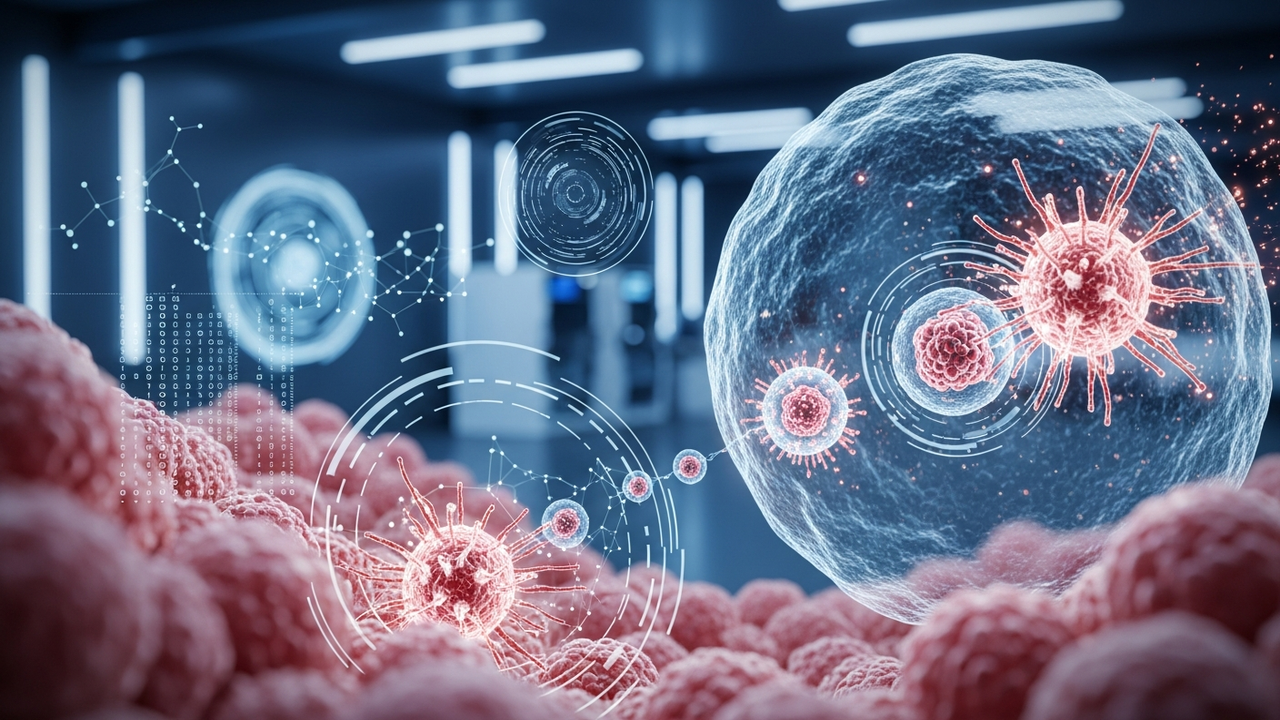
Nanotechnology is offering innovative solutions to fundamental drug delivery challenges in cancer treatment, simultaneously improving therapeutic efficacy and patient safety. Specifically, nanoparticles ranging from 1 to 100 nanometers in size can leverage their physical properties to selectively accumulate therapeutic agents in tumor tissues. This approach significantly mitigates the severe side effects typically associated with conventional chemotherapy, while maintaining or even enhancing anti-tumor activity. Nano-drugs such as Doxil and Abraxane have already achieved clinical success.
Technical and Clinical Details
- Exploiting the EPR Effect: Cancerous tumor tissues are characterized by underdeveloped vasculature, enhanced vascular permeability, and compromised lymphatic drainage compared to healthy tissues. This phenomenon, known as the “Enhanced Permeability and Retention (EPR) effect,” allows nanoparticles around 100 nanometers to extravasate from tumor blood vessels, efficiently accumulate within the tumor tissue, and be retained for prolonged periods. This enables selective drug delivery to tumors and achieves high drug concentrations at the target site.
- Key Carrier Platforms:
- Liposomes: Spherical vesicles composed of lipid bilayers, capable of encapsulating both hydrophilic and hydrophobic drugs. A prime example is Doxil, which encapsulates doxorubicin and demonstrates anti-tumor effects while reducing cardiotoxicity.
- Polymeric Micelles: Nanostructures formed by the self-assembly of amphiphilic polymers in an aqueous environment. Drugs are encapsulated within the hydrophobic core of the micelle, enhancing circulation stability and targeting capabilities.
- Albumin-Bound Nanoparticles: Albumin is highly biocompatible and can be taken up by tumor cells via receptors like SPARC, which are often overexpressed in tumors. Abraxane, an albumin-bound paclitaxel formulation, is a notable example that shows high anti-tumor efficacy while reducing neurotoxicity.
- Side Effect Reduction: By concentrating drugs in tumors, nano-drugs can significantly reduce systemic side effects such as myelosuppression, cardiotoxicity, neurotoxicity, and alopecia, thereby improving patient compliance and quality of life.
Background and Industry Context
Traditional cancer chemotherapy, while possessing potent anti-tumor effects, faces the dilemma of widespread drug distribution throughout the body, causing significant damage to healthy cells. This leads to severe side effects for many patients, often forcing treatment interruption. Nanotechnology emerged as a promising approach to address this challenge and has been actively researched since the 1990s. Products like Doxil (doxorubicin liposomal formulation, FDA approved in 1995) and Abraxane (paclitaxel albumin-bound nanoparticle formulation, FDA approved in 2005) are now widely used in clinical practice.
Future Outlook
Advancements in nanotechnology for cancer treatment are expected to accelerate. Next-generation nano-drugs will likely evolve towards more complex targeting mechanisms (e.g., multi-targeting multiple receptors simultaneously), smart nanoparticles that control drug release through external stimuli (e.g., pH, temperature, light), and theranostic nanoplatforms that integrate diagnostic and therapeutic functions. These innovations will bring personalized medicine closer to reality, promising significant improvements in treatment outcomes for intractable cancers. Overcoming challenges related to safety and manufacturing costs will be key to their broader adoption.
Source: https://www.hcgoncology.com/blog/nano-medicine-smart-delivery-systems-cancer-treatment/
Get our weekly technology intelligence — free
Receive an infographic that lets you judge at a glance whether each field’s analysis report is worth reading.
Subscribe Free — Weekly Tech Intelligence
By subscribing, you’ll receive Troy-Technical’s weekly technology intelligence newsletter.
- Your email and selected fields are used only to deliver the newsletter.
- We never share your information with third parties.
- You can unsubscribe anytime via the link in each email.
See our Privacy Policy for details.
Takes about a minute · Unsubscribe anytime