Key Findings
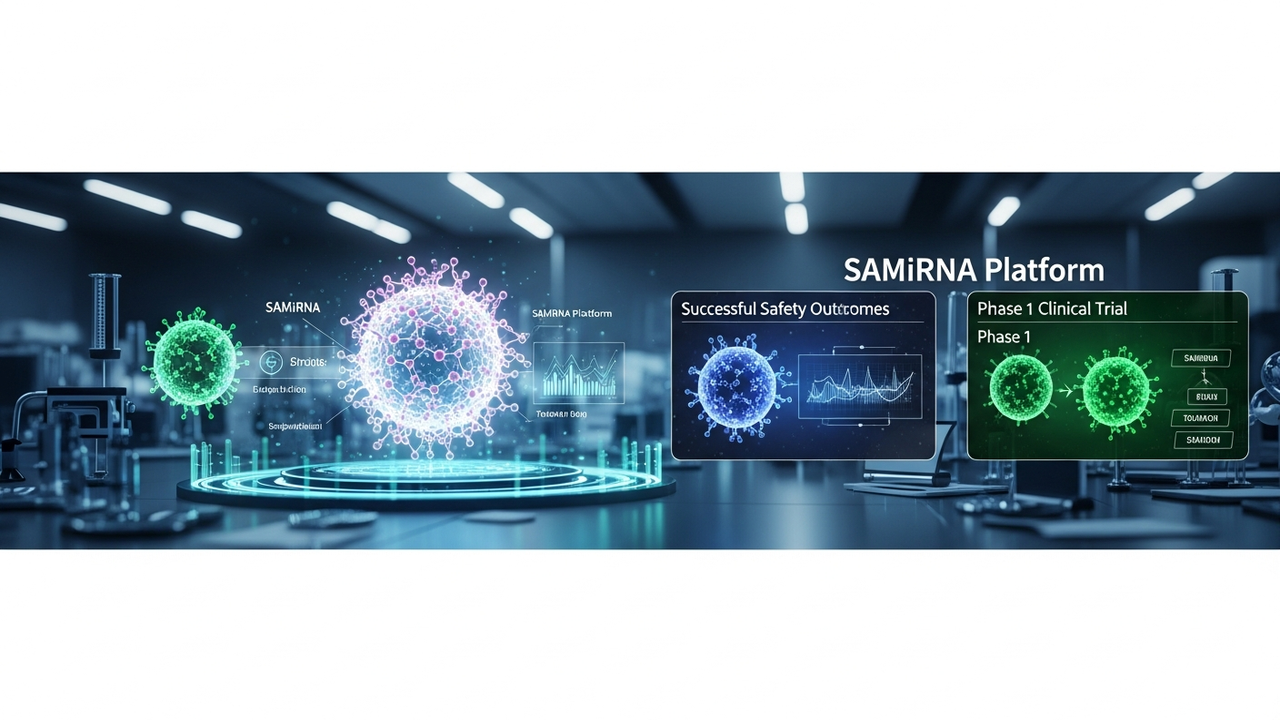
SRN001, a novel siRNA drug engineered to target amphiregulin utilizing the SAMiRNA platform, has demonstrated an excellent safety profile and favorable pharmacokinetics in its Phase 1 clinical trial. A standout finding from this study is the complete absence of symptoms suggestive of Infusion Related Reaction (IRR) or significant cytokine elevations in subjects, even without premedication. This represents a pivotal achievement in addressing one of the primary concerns associated with the administration of nucleic acid therapeutics.
Technical / Clinical Details
SRN001 is designed as a small interfering RNA (siRNA) molecule that specifically silences the expression of the amphiregulin gene. Amphiregulin is a critical growth factor involved in cell proliferation, survival, and inflammation, and its overexpression is frequently observed in various cancers and inflammatory diseases. The SAMiRNA (Self-Assembled Micelle-like siRNA) platform is a proprietary technology that enables siRNA to self-assemble into nanoparticle-like structures, thereby optimizing siRNA’s in vivo stability, intracellular delivery efficiency, and immunogenicity.
The Phase 1 clinical trial was conducted in healthy volunteers to evaluate the safety, tolerability, and pharmacokinetics of single and multiple doses of SRN001. Key results from the trial include:
- Non-Induction of IRR: No signs of IRR or cytokine release syndrome, which are common concerns with nucleic acid drugs, were observed, even in the absence of premedication. This suggests that the SAMiRNA platform effectively suppresses the immunogenicity of siRNA.
- Favorable Pharmacokinetics: SRN001 exhibited the anticipated pharmacokinetic profile, confirming its stability in vivo and appropriate concentration maintenance in systemic circulation.
- Safety: No serious adverse events were reported, indicating an overall high level of tolerability.
These findings strongly support SRN001’s potential as a safe and effective therapeutic option for amphiregulin-related diseases.
Background & Context
siRNA-based nucleic acid drugs offer a groundbreaking approach to treating diseases by silencing the expression of specific genes. However, siRNA molecules are prone to degradation by nucleases and face challenges in penetrating cell membranes. Furthermore, delivery systems like lipid nanoparticles (LNPs) have raised concerns regarding potential immunogenicity. Self-assembled nanoparticle technologies, such as the SAMiRNA platform, have been developed to overcome these challenges and maximize the therapeutic potential of siRNA. Amphiregulin’s deep involvement in the pathogenesis of various diseases, including cancer, psoriasis, and inflammatory bowel disease, makes targeting its expression a critical strategy for addressing significant unmet medical needs.
Strategic Significance & Outlook
The positive Phase 1 safety data for SRN001 is expected to significantly accelerate the development of amphiregulin-targeting siRNA therapeutics. Future plans will likely include Phase 2 clinical trials for specific cancer types where amphiregulin is overexpressed (e.g., non-small cell lung cancer or colorectal cancer) and for inflammatory diseases. The immunogenicity-suppressing effects of the SAMiRNA platform could also be applied to the development of other siRNA drugs, potentially enhancing the safety and efficacy of next-generation nucleic acid medicines. SRN001 is poised to bring new hope to patients suffering from these challenging conditions as a truly innovative therapeutic agent.
Source: https://pmc.ncbi.nlm.nih.gov/articles/PMC13112037/
Get our weekly technology intelligence — free
Receive an infographic that lets you judge at a glance whether each field’s analysis report is worth reading.
Subscribe Free — Weekly Tech Intelligence
By subscribing, you’ll receive Troy-Technical’s weekly technology intelligence newsletter.
- Your email and selected fields are used only to deliver the newsletter.
- We never share your information with third parties.
- You can unsubscribe anytime via the link in each email.
See our Privacy Policy for details.
Takes about a minute · Unsubscribe anytime