Key Findings
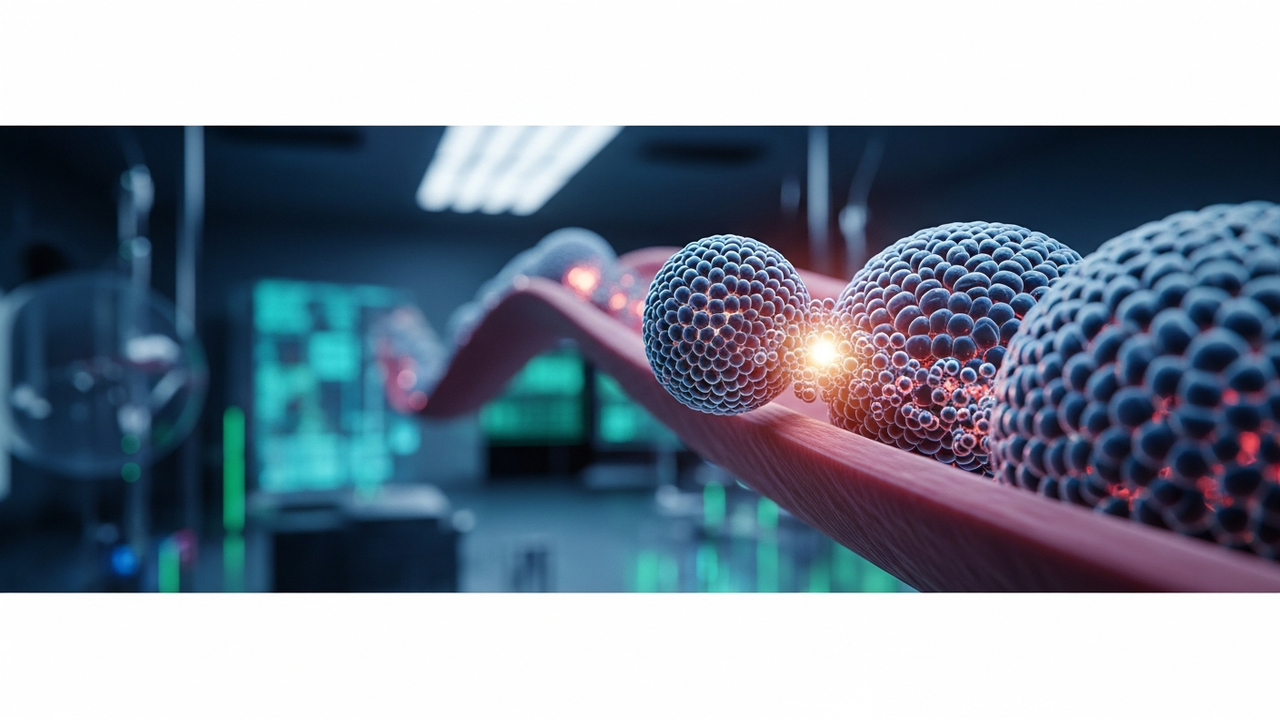
Nanomedicine is achieving significant progress in the treatment of severe brain tumors like Glioblastoma Multiforme (GBM). Specifically, nanoparticle technology offers a multifunctional approach to overcome the blood-brain barrier (BBB), a major impediment to drug delivery. Nanoparticles are not only efficiently delivering conventional drugs and nucleic acids to GBM but are also paving new avenues for destroying tumor cells by locally generating heat and reactive oxygen species (ROS) through physical stimulation-responsive therapies such as magnetic hyperthermia, photothermal therapy, photodynamic therapy, and sonodynamic therapy. While many of these methods are still in the preclinical stage, some have already advanced to early clinical trials, demonstrating promising results.
Technical / Clinical Details
GBM is a highly aggressive tumor that deeply infiltrates brain tissue, making surgical resection challenging. Chemotherapy and radiotherapy also have limited efficacy due to the BBB preventing sufficient drug delivery. Nanoparticles utilize multiple strategies to traverse the BBB, including receptor-mediated endocytosis, adsorptive-mediated endocytosis, or external stimuli (e.g., ultrasound) to transiently open the BBB.
Specific applications of nanoparticles include:
- Drug and Nucleic Acid Delivery: Chemotherapeutic agents (e.g., temozolomide, doxorubicin) and gene therapies (siRNA, mRNA, CRISPR/Cas9 components) are encapsulated within nanoparticles to cross the BBB and efficiently deliver them into tumor cells. For example, mesoporous silica nanoparticles (MSN) loaded with doxorubicin, modified with a liposome shell and a GE-LL targeting agent, have shown potential for highly efficient and low-toxicity drug delivery to solid tumors like non-small cell lung cancer. Similar approaches are applicable to GBM.
- Magnetic Hyperthermia: Magnetic nanoparticles (e.g., iron oxide nanoparticles) accumulate in GBM. External magnetic fields are then applied to generate localized heat, selectively destroying tumor cells and enhancing the efficacy of chemotherapy and radiotherapy.
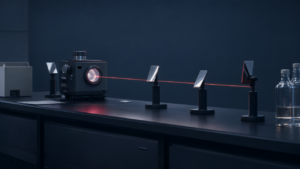
- Photothermal Therapy (PTT): Photothermal conversion nanoparticles (e.g., gold nanorods, carbon nanotubes (CNTs)) are delivered to the tumor, and near-infrared laser irradiation generates heat to ablate the tumor.
- Photodynamic Therapy (PDT): Photosensitizing agents encapsulated in nanoparticles accumulate in the tumor. Irradiation with specific wavelengths of light generates reactive oxygen species, destroying tumor cells through oxidative stress.
- Sonodynamic Therapy (SDT): Ultrasound-sensitive nanoparticles combined with ultrasound generate reactive oxygen species to target tumor cells.
Each of these therapies attacks tumor cells via different mechanisms and can potentially produce synergistic effects, contributing to improved GBM treatment outcomes.
Background & Context
Glioblastoma remains a disease with extremely poor prognosis despite standard treatments, urgently requiring new therapeutic strategies. The presence of the BBB has been a significant impediment to drug development. Nanotechnology, with its specific size, ease of surface modification, and diverse drug-loading capabilities, is recognized as the only technological field with the potential to overcome the BBB and efficiently deliver drugs to brain tumors. Research institutions and pharmaceutical companies worldwide are addressing this formidable challenge with innovative nanoparticle-based approaches.
Strategic Significance & Outlook
While still in its early stages, nanoparticle-based GBM treatment holds immense transformative potential due to its multifunctionality and BBB-overcoming capabilities. Future efforts will focus on further advancing clinical trials, ensuring nanoparticle biosafety, evaluating long-term efficacy, and resolving challenges in large-scale production. Specifically, the development of complex nanoparticle systems combining multiple therapeutic modalities and the optimization of nanoparticle design using AI/machine learning are expected to maximize therapeutic efficacy. This could lead to extended survival and improved quality of life for glioblastoma patients.
Get our weekly technology intelligence — free
Receive an infographic that lets you judge at a glance whether each field’s analysis report is worth reading.
Subscribe Free — Weekly Tech Intelligence
By subscribing, you’ll receive Troy-Technical’s weekly technology intelligence newsletter.
- Your email and selected fields are used only to deliver the newsletter.
- We never share your information with third parties.
- You can unsubscribe anytime via the link in each email.
See our Privacy Policy for details.
Takes about a minute · Unsubscribe anytime