Background
Cell and gene therapies hold immense promise as groundbreaking treatments for a myriad of intractable diseases. However, their path to commercialization is fraught with significant hurdles, with manufacturing process challenges identified as the primary bottleneck. Existing manual processes, often optimized for small-batch production typical of early clinical trials, are inherently high-cost, lack reproducibility, and offer limited scalability for widespread patient access. Europe, as a pivotal hub of pharmaceutical innovation and advanced biotechnology, is actively tackling these challenges by championing the development of new manufacturing technologies that prioritize automation, standardization, and scalability. This strategic focus aims to ensure that the numerous cell and gene therapy products currently in development can be delivered to patients efficiently and cost-effectively.
Key Findings
European biotechnology companies are intensely focused on developing next-generation manufacturing technologies to overcome critical bottlenecks in the production of cell and gene therapies. Notably, Ori Biotech, through strategic alliances with key players such as Cell Therapies, AdAlta, and Fresenius Kabi, is accelerating the advancement of modular and scalable automated manufacturing platforms for these advanced therapies. This collective effort is anticipated to significantly reduce manufacturing costs, dramatically improve production efficiency, and enable the delivery of innovative treatments to a wider patient population.
Technical / Clinical Details
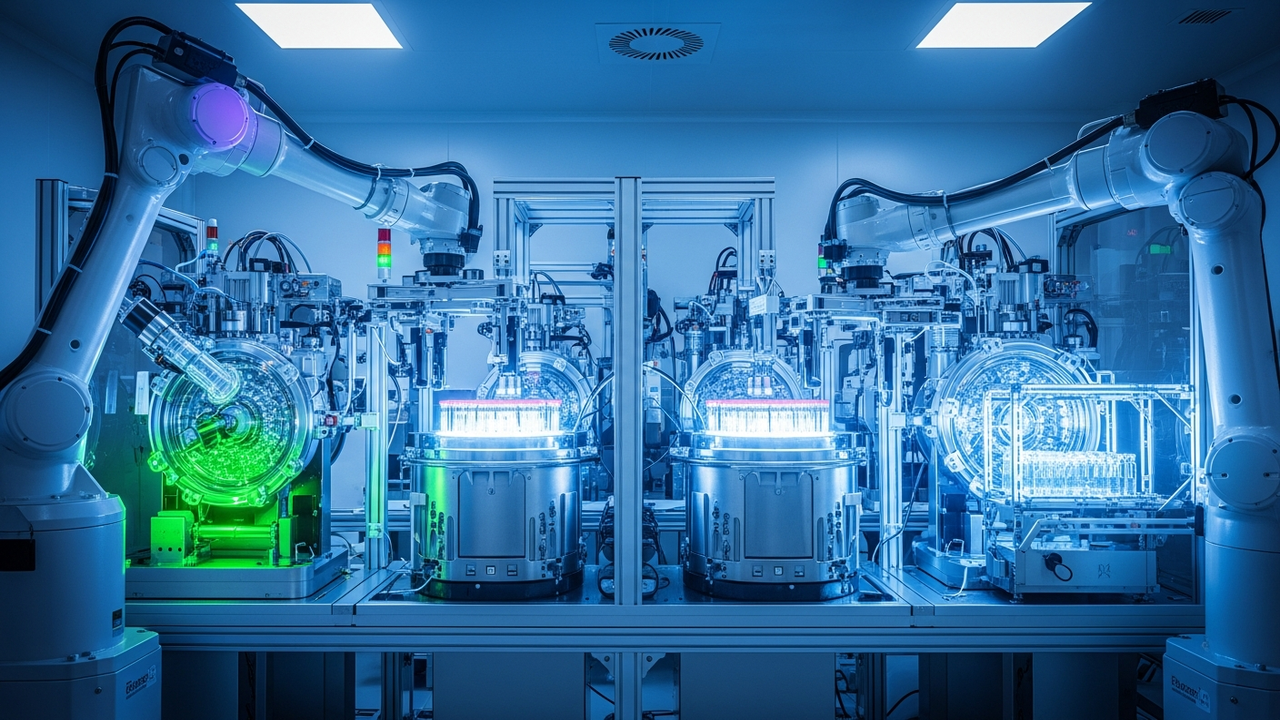
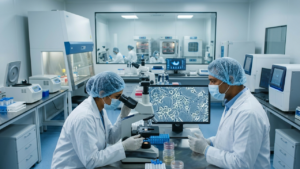
- Manufacturing Automation and Scalability: Cell and gene therapies are inherently complex, often patient-specific, and typically carry high manufacturing costs. Companies like Ori Biotech are directly addressing these challenges by developing closed, automated manufacturing platforms. These sophisticated systems are engineered to reduce human error, ensure rigorous adherence to Good Manufacturing Practice (GMP) standards, and enable the efficient, large-scale production of high-quality therapeutic products.
- Key Collaborations and Roles:
- Ori Biotech: The central company driving innovation in automated manufacturing platforms for cell and gene therapies. Ori Biotech offers flexible, modular production solutions leveraging its proprietary technology, designed for adaptability across various therapy types and scales.
- Cell Therapies: An Australia-based Contract Development and Manufacturing Organization (CDMO) specializing in cell therapy. Its partnership with Ori Biotech is set to leverage advanced manufacturing capabilities to optimize the production of both clinical-grade and commercial-grade cell therapy products.
- AdAlta: An Australian biotech firm focused on developing novel antibody-like therapeutics. Its collaboration in cell therapy manufacturing is expected to enhance the feasibility and manufacturability of its pipeline assets and contribute to broader manufacturing innovations across the industry.
- Fresenius Kabi: A global healthcare company renowned for its medical technologies and pharmaceuticals. Its cooperation with Ori Biotech aims to significantly scale up cell and gene therapy manufacturing processes and improve overall cost-efficiency, thereby facilitating broader market access for these critical therapies.
- Vertex’s Type 1 Diabetes Cell Therapy: The escalating demand for robust and effective manufacturing platforms is further underscored by the progression of advanced products such as Vertex Pharmaceuticals’ transformative cell therapies for Type 1 diabetes (e.g., VX-880). This highlights the critical importance of European companies’ innovations in manufacturing technology to meet unmet medical needs.
- Oxford Biomedica’s Acquisition of ABL Europe: This acquisition is a strategic move to strengthen gene therapy vector manufacturing capabilities. Such consolidations contribute significantly to stabilizing and securing the overall industry supply chain, which is vital for sustained growth and delivery.
Strategic Significance & Outlook
The development of next-generation cell and gene therapy manufacturing technologies, spearheaded by European biotech companies, will profoundly influence the industry’s growth trajectory and accelerate widespread adoption. The successful implementation of modular, automated manufacturing platforms by Ori Biotech and its partners has the potential to substantially reduce cell therapy production costs and dramatically improve accessibility for patients globally. This pivotal shift will accelerate the market entry and broader availability of innovative therapies across various critical disease areas, including genetic disorders, cancer, and autoimmune diseases, thereby making a significant and lasting impact on the future of global healthcare. Sustained international collaboration and relentless technological innovation remain key to successfully delivering these advanced therapies to patients worldwide, transforming the therapeutic landscape.



Comments