Key Findings
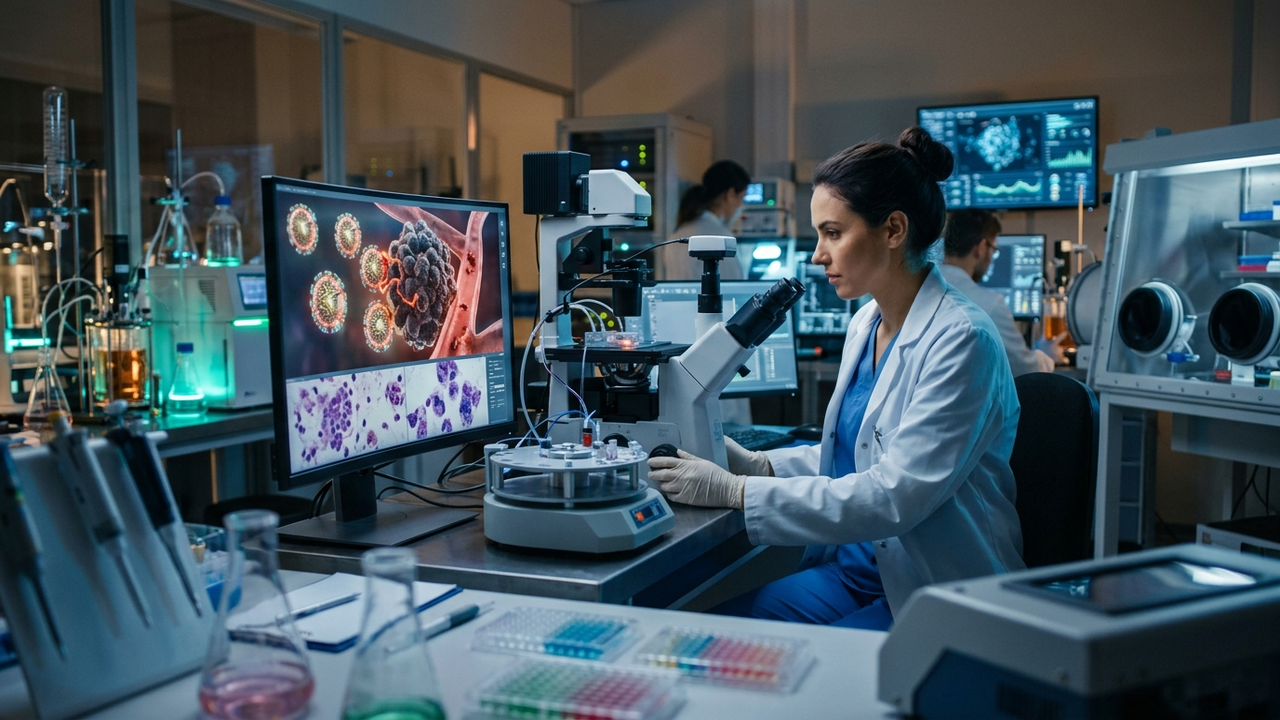
The field of nanomedicine is achieving remarkable progress in the prevention, diagnosis, and treatment of diseases by leveraging materials and devices designed at the 1 to 100-nanometer scale. Particular focus is on the development of highly sensitive biosensors for detecting biomarkers, targeted drug delivery systems that efficiently transport therapeutics to specific sites, more efficacious vaccines, innovative gene therapies, and nanocapsules for precision cancer treatment. These technologies promise to overcome limitations of conventional medical approaches, offering the potential for more effective treatments with fewer side effects.
Technical / Clinical Details
Due to their extremely small size, nanoparticles can traverse fine capillaries and various biological barriers within the body to reach the intracellular environment. This characteristic is exploited to enhance drug bioavailability and maximize therapeutic efficacy while minimizing systemic toxicity. For instance, in cancer therapy, nanoparticles loaded with anti-cancer drugs can be functionalized with tumor-specific targeting ligands, enabling direct delivery to cancer cells. Furthermore, nanoparticles can function as contrast agents, facilitating high-resolution imaging of organs, diseased tissues, and early-stage tumors across diverse modalities such as MRI, CT, and fluorescence imaging. This capability is crucial for early disease detection and timely therapeutic intervention.
Background & Context
Nanotechnology has rapidly emerged as a leading scientific and technological frontier in the 21st century, with its medical applications establishing the field of ‘nanomedicine.’ Traditional pharmaceutical development has grappled with significant challenges including drug solubility, stability, pharmacokinetics, and a lack of target specificity. Nanomedicine provides a platform to address these issues at the nanoscale. Governments, academic institutions, and pharmaceutical companies worldwide are heavily investing in this sector, with numerous nanomedicines in clinical trials and some already on the market. This trend aligns closely with global efforts towards personalized and precision medicine.
Strategic Significance & Outlook
The future prospects of nanomedicine are vast. Ongoing research includes the development of ‘smart nanodevices’ that integrate artificial intelligence (AI) and machine learning to more accurately detect disease biomarkers and predict treatment responses. In regenerative medicine, nanostructures are being utilized as scaffolding materials to guide cell proliferation and differentiation, promising applications in tissue repair and organ regeneration. Potentially, self-assembling nanorobots could navigate the body, autonomously diagnosing and treating diseases, bringing science fiction closer to reality. Nanomedicine is poised to remain an indispensable technology in shaping the future of healthcare.
Source: https://www.britannica.com/science/nanomedicine
Get our weekly technology intelligence — free
Receive an infographic that lets you judge at a glance whether each field’s analysis report is worth reading.
Subscribe Free — Weekly Tech Intelligence
By subscribing, you’ll receive Troy-Technical’s weekly technology intelligence newsletter.
- Your email and selected fields are used only to deliver the newsletter.
- We never share your information with third parties.
- You can unsubscribe anytime via the link in each email.
See our Privacy Policy for details.
Takes about a minute · Unsubscribe anytime