Key Findings
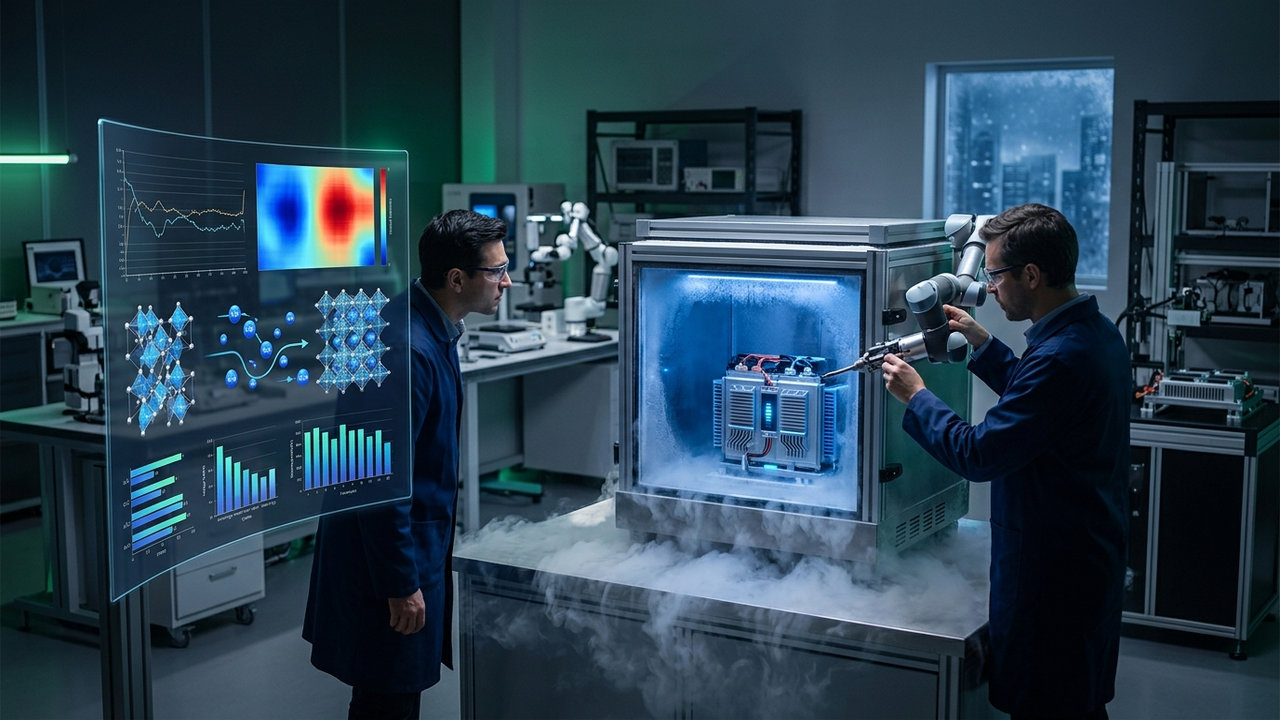
A recent research review published by MDPI details novel electrolyte optimization strategies that promise to significantly enhance the low-temperature performance of sodium-ion batteries (SIBs). This breakthrough is critical for expanding SIB utility in diverse applications, especially electric vehicles (EVs) and stationary energy storage systems operating in frigid climates. Historically, SIBs have suffered from substantial performance degradation at low temperatures, but this review maps out specific, advanced approaches to overcome these limitations.
Technical / Clinical Details
The review identifies the primary culprits behind SIB performance decline at low temperatures as reduced electrolyte conductivity, increased viscosity, and compromised interfacial stability between the electrodes and electrolyte. These issues culminate in diminished charge capacity, prolonged charging times, and reduced cycle life. Proposed optimization strategies include tuning solvent dielectric constants and viscosities, incorporating low-melting point additives to depress the electrolyte’s freezing point, and developing functional additives that improve solid-electrolyte interphase (SEI) formation. Techniques such as utilizing fluorinated solvents, ionic liquids, and high-concentration electrolytes show promise in maintaining stable SIB performance even below -20°C. This closes a significant performance gap with lithium-ion batteries in cold weather operation, improving both energy density and power characteristics.
Background & Context
Sodium-ion batteries are garnering significant attention as a cost-effective alternative to lithium-ion batteries due to the abundant and inexpensive nature of sodium resources. However, their poor low-temperature performance has been a long-standing hurdle, hindering widespread adoption in critical applications like EVs and renewable energy grid storage, which demand reliable operation across a broad temperature spectrum. This review underscores the pivotal role of electrolyte technology in advancing SIB low-temperature capabilities, thereby providing a clear roadmap for future research and development. It represents a vital milestone in enhancing the global competitiveness of SIBs in the burgeoning energy storage market.
Strategic Significance & Outlook
The optimization strategies highlighted in this review have the potential to accelerate the commercialization of SIBs. Improved low-temperature performance will notably extend EV driving ranges and reliability in cold regions, such as Northern Europe and Canada, and facilitate the deployment of stationary storage systems for stabilizing power grids from renewable sources. Future efforts will focus on validating these electrolyte technologies in full-scale cells and establishing cost-effective manufacturing processes for mass production. Such advancements are expected to enable SIBs to make substantial contributions to achieving a sustainable energy future.
Source: https://www.mdpi.com/1996-1944/19/17/3634
Get our weekly technology intelligence — free
Receive an infographic that lets you judge at a glance whether each field’s analysis report is worth reading.
Subscribe Free — Weekly Tech Intelligence
By subscribing, you’ll receive Troy-Technical’s weekly technology intelligence newsletter.
- Your email and selected fields are used only to deliver the newsletter.
- We never share your information with third parties.
- You can unsubscribe anytime via the link in each email.
See our Privacy Policy for details.
Takes about a minute · Unsubscribe anytime






Comments