Background
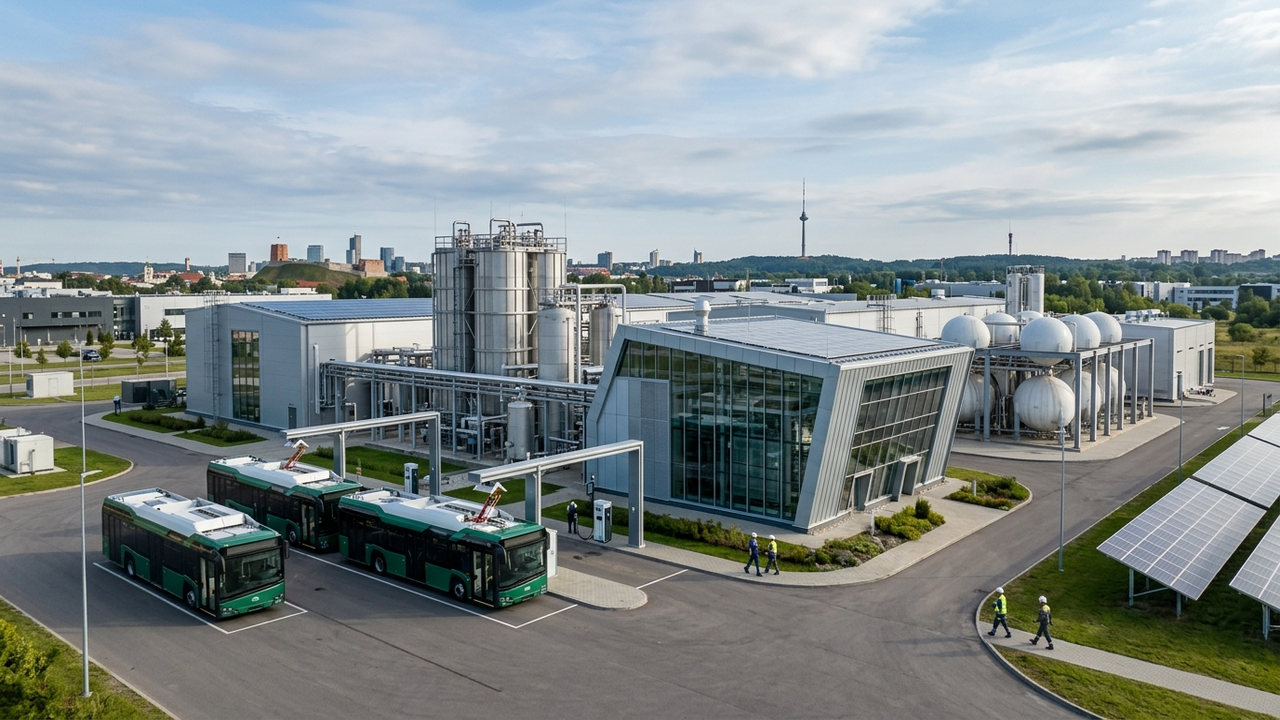
Decarbonizing urban public transport remains a global imperative, with hydrogen fuel cell electric vehicles (FCEVs) emerging as a compelling solution. FCEVs offer advantages such as extended range and rapid refueling, contrasting favorably with the charging times and range limitations often associated with battery electric alternatives. For Lithuania, and indeed other Baltic states, the pursuit of energy independence and ambitious decarbonization targets necessitates strategic investments in advanced green hydrogen technologies. The city of Vilnius has positioned its new €10 million, 3 MW green hydrogen production plant as a pivotal component of its energy transition strategy, aiming to serve as a model for other European cities integrating hydrogen into their transport infrastructure. This facility, located at Vilnius’s Second Combined Heat and Power Plant, utilizes renewable electricity to power electrolyzers, ensuring an entirely clean and emission-free hydrogen production chain, which directly supports the city’s decarbonization goals and addresses urban air quality concerns. The availability of public refueling infrastructure is a key enabler for fostering a broader hydrogen ecosystem beyond dedicated fleets.
Key Findings
Vilnius has successfully completed its €10 million, 3 MW green hydrogen production plant, partially financed by an EU grant. This facility, currently undergoing rigorous testing to meet stringent safety and operational efficiency standards, is projected to commence full production by the end of 2026. Once operational, it will produce compressed green hydrogen to fuel a fleet of 16 hydrogen fuel cell public transport buses, enabling zero-emission operations and contributing to an estimated annual reduction of 1,400 tonnes of CO₂ emissions. A key feature of this initiative is the integration of the city’s first public hydrogen refueling station, which is co-located with the production plant. This station is designed not only to serve the municipal bus fleet but also to catalyze the broader adoption of hydrogen fuel cell vehicles by private and commercial entities across the region. This project is expected to significantly accelerate the development of Lithuania’s hydrogen ecosystem, enhancing public awareness and understanding of hydrogen technology. This success story has the potential to stimulate further investments in green hydrogen infrastructure and hydrogen mobility solutions, not only within Lithuania but also throughout neighboring European cities, marking a significant stride towards a sustainable urban future.
Get our weekly technology intelligence — free
Receive an infographic that lets you judge at a glance whether each field’s analysis report is worth reading.
Subscribe Free — Weekly Tech Intelligence
By subscribing, you’ll receive Troy-Technical’s weekly technology intelligence newsletter.
- Your email and selected fields are used only to deliver the newsletter.
- We never share your information with third parties.
- You can unsubscribe anytime via the link in each email.
See our Privacy Policy for details.
Takes about a minute · Unsubscribe anytime



Comments