Key Findings
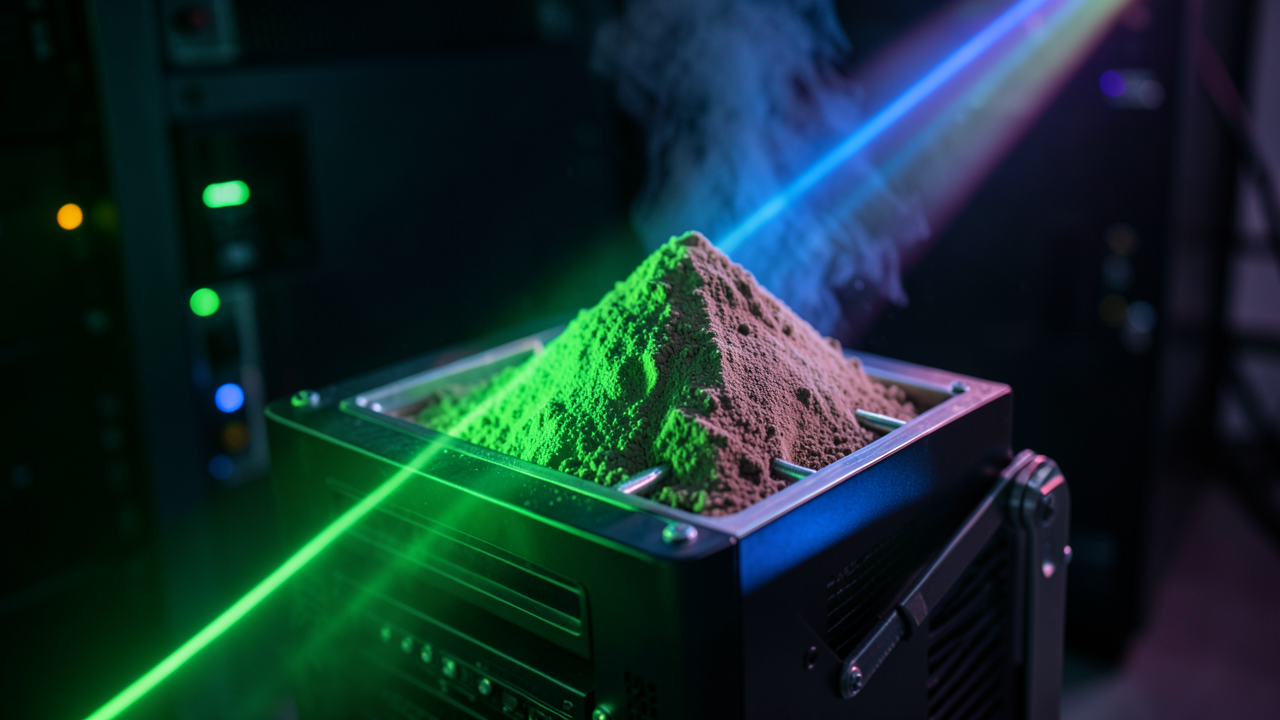
The exponential growth of AI workloads is significantly driving investments in data center cooling infrastructure. According to the latest analysis from Global Sources, liquid cooling technologies and advanced energy recovery systems are emerging as key innovations that are propelling the next wave of AI data center investments, increasingly being adopted as mainstream cooling approaches.
Technical / Clinical Details
AI chips, particularly high-performance GPUs, generate extremely high thermal loads per unit area compared to traditional hardware. To efficiently manage this high-density heat, conventional air-cooling systems are reaching their limits, making liquid cooling solutions indispensable. Liquid cooling utilizes high-thermal-conductivity fluids that directly contact chips or servers, absorbing and dissipating heat far more efficiently than air. This not only allows data centers to consolidate more computational power into smaller footprints (increasing rack density) but also reduces energy consumption for cooling, significantly lowering operational costs. Furthermore, energy recovery systems, which reuse the captured heat, are crucial for improving the overall Power Usage Effectiveness (PUE) of data centers and enhancing sustainability. For instance, efforts are underway to use recovered heat for building heating or supplying neighboring facilities.
Background & Context
The widespread adoption of AI is placing unprecedented pressure on data center infrastructure. From 2020 to 2025, US data center energy consumption increased by 80%, a trend expected to continue. This surge in power consumption creates a bottleneck that prevents the expansion of AI infrastructure without advances in cooling systems. Liquid cooling technology, long utilized in High-Performance Computing (HPC), has now become a necessity and an economic imperative for general data centers due to AI’s proliferation. Major AI hardware vendors like Nvidia are accelerating the development of liquid-cooled products, further driving the industry-wide shift towards liquid cooling. This enables data center operators to achieve higher computational densities and maintain competitiveness in providing AI services.
Strategic Significance & Outlook
Cooling innovation will remain a top priority in AI data center investment strategies. Over the next few years, liquid cooling technologies are expected to become more sophisticated and their implementation costs optimized. The widespread adoption of this technology will enable further advancements in AI chip performance and facilitate the development of more advanced and complex AI applications. For data center operators, it will be a crucial means to balance environmental considerations with operational cost reductions. Ultimately, efficient cooling solutions are poised to become an indispensable foundation, increasing their strategic value in supporting the transformative impact of AI on society.
Get our weekly technology intelligence — free
Receive an infographic that lets you judge at a glance whether each field’s analysis report is worth reading.
Subscribe Free — Weekly Tech Intelligence
By subscribing, you’ll receive Troy-Technical’s weekly technology intelligence newsletter.
- Your email and selected fields are used only to deliver the newsletter.
- We never share your information with third parties.
- You can unsubscribe anytime via the link in each email.
See our Privacy Policy for details.
Takes about a minute · Unsubscribe anytime






Comments