Key Findings
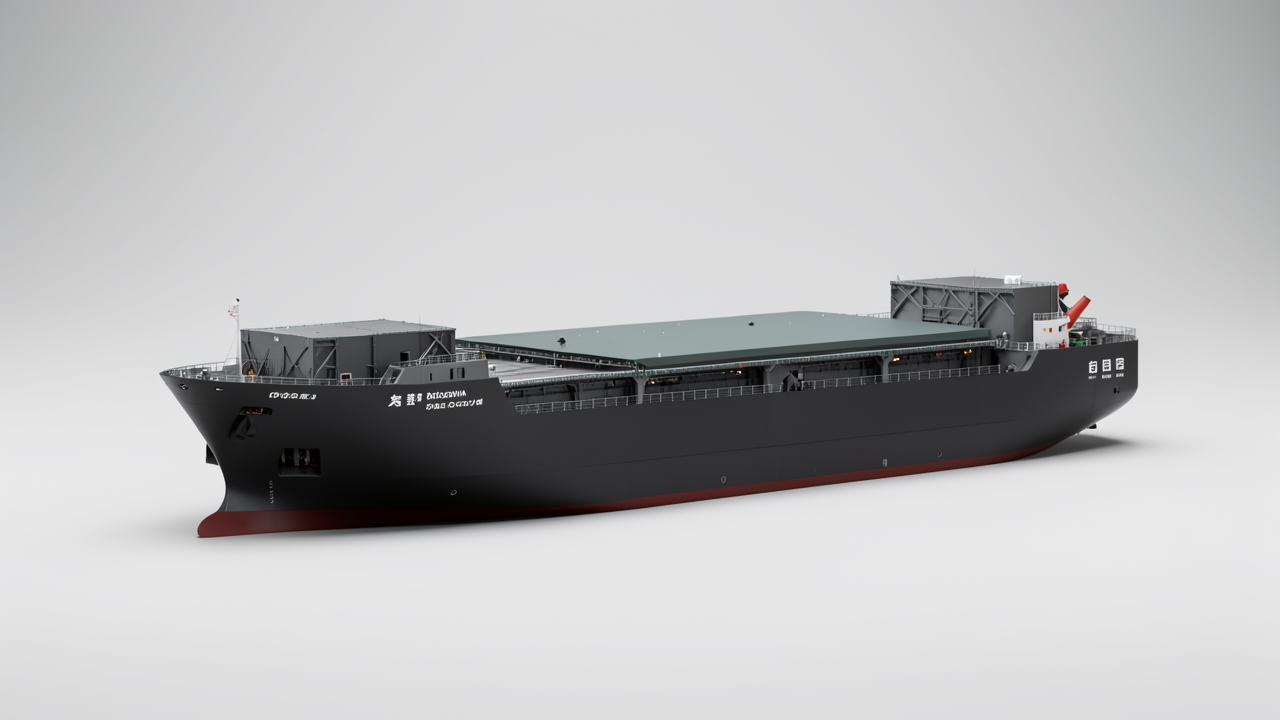
Yokogawa Electric Corporation has been awarded a contract by Kawasaki Heavy Industries to provide advanced integrated automation systems for the world’s largest 40,000m³ liquefied hydrogen carrier and two subsequent hydrogen-fueled vessels. This cutting-edge system is designed to enable exceptionally safe and efficient handling of liquefied hydrogen, which is transported at an ultra-low temperature of -253°C. It offers integrated monitoring, control, and emergency shutdown functionalities across all shipboard equipment. This contract represents a crucial step towards building large-scale liquefied hydrogen transport infrastructure within the global hydrogen supply chain, showcasing Japan’s technological leadership in the global energy transition.
Technical and System Details
Yokogawa’s integrated automation system leverages sophisticated control technologies and advanced data monitoring capabilities. For the liquefied hydrogen carrier, it will oversee and control the ship’s entire complex process in real-time, including multiple storage tanks, pumps, heat exchangers, re-liquefaction units, and associated piping systems. Precision management of hydrogen leak detection and pressure in cryogenic conditions is paramount, and the system is equipped with sensitive sensors and automated adjustment functions to minimize these risks. An emergency shutdown system ensures rapid and safe process cessation in the event of an anomaly, maximizing the safety of the crew and cargo. For the hydrogen-fueled vessels, the system will manage stable hydrogen supply to fuel cells or hydrogen engines, optimizing the overall energy efficiency of the ships. These systems are engineered to meet stringent international maritime safety standards and the latest regulatory requirements for hydrogen transport.
Background & Industry Context
As global efforts towards achieving carbon neutrality accelerate, hydrogen is gaining prominence as a next-generation clean energy carrier. However, its transport and storage necessitate specialized management due to its cryogenic liquefaction and high-pressure gas characteristics, demanding advanced technology and stringent safety measures. Liquefied hydrogen, with its high volumetric energy density, is particularly suitable for large-volume transport, making it key to establishing an international hydrogen supply chain. Japan has long prioritized the realization of a hydrogen society, focusing on technological development and demonstration across the entire supply chain—from hydrogen production to transport and utilization. This collaboration between Yokogawa and Kawasaki Heavy Industries is a tangible outcome of Japan’s pioneering initiatives, setting a precedent for global hydrogen infrastructure development.
Strategic Significance & Outlook
The implementation of integrated automation systems for the world’s largest liquefied hydrogen carrier will dramatically enhance the feasibility of large-scale international liquefied hydrogen transport. This brings the stable supply of clean energy from production hubs like Australia to consumer nations, including Japan, closer to reality. Furthermore, the introduction of hydrogen-fueled vessels will contribute to the decarbonization of the maritime industry, illustrating a pathway to achieving the IMO’s (International Maritime Organization) GHG emission reduction targets. Yokogawa’s technology will not only improve vessel operational safety and efficiency but also serve as a foundation for further automation and digitalization across the entire hydrogen transport infrastructure in the future. The success of this project will be recognized as a significant benchmark in the evolution of the global hydrogen economy.
Source: https://www.yokogawa.com/ca/news/press-releases/2026/2026-09-14/
Get our weekly technology intelligence — free
Receive an infographic that lets you judge at a glance whether each field’s analysis report is worth reading.
Subscribe Free — Weekly Tech Intelligence
By subscribing, you’ll receive Troy-Technical’s weekly technology intelligence newsletter.
- Your email and selected fields are used only to deliver the newsletter.
- We never share your information with third parties.
- You can unsubscribe anytime via the link in each email.
See our Privacy Policy for details.
Takes about a minute · Unsubscribe anytime




Comments