Key Findings
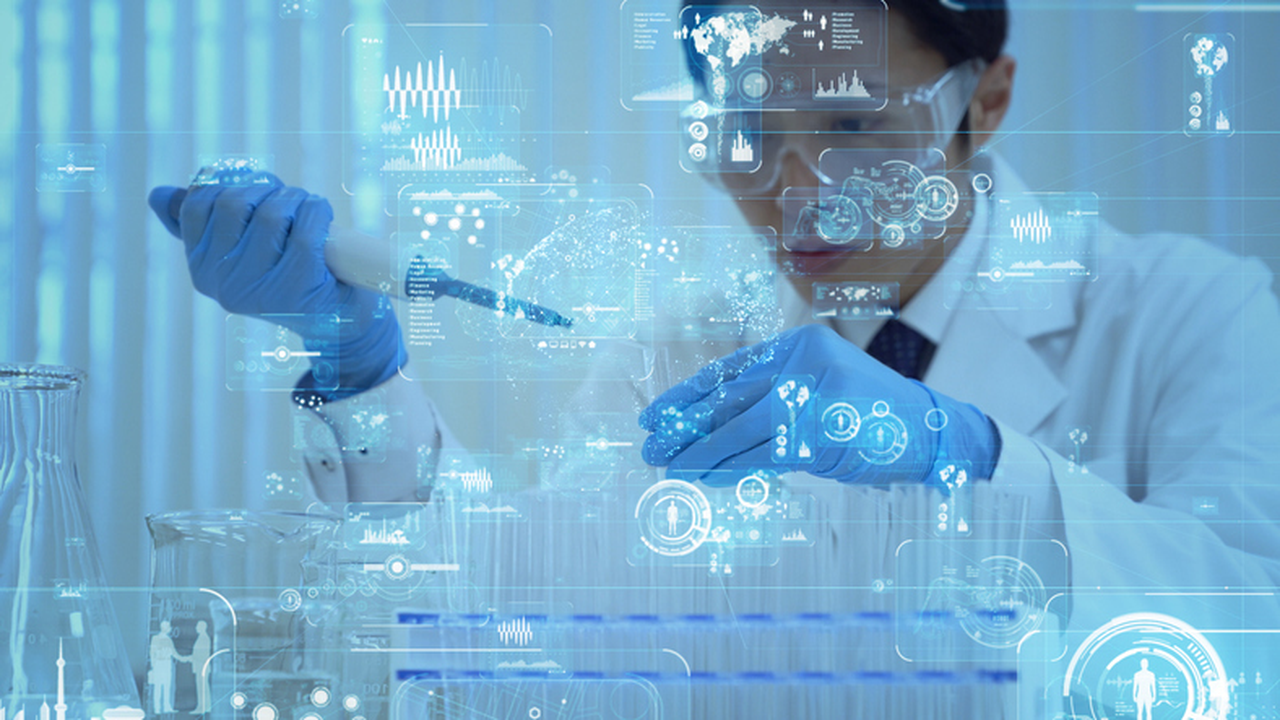
The application of Artificial Intelligence (AI) in drug discovery is significantly accelerating the process by rapidly sifting through vast datasets of candidate molecules. AI evaluates crucial properties such as potency and selectivity, thereby augmenting scientific judgment and substantially reducing the manual triage traditionally required. For instance, AI can compress time-consuming tasks like reading numerous patents and analyzing complex research literature, allowing human researchers to focus on more critical aspects of discovery. The emphasis is on AI acting as a powerful amplifier of scientific capabilities rather than a replacement for human intuition.
Technical / Clinical Details
AI leverages various techniques, including generative models, deep learning, and reinforcement learning, to provide value at multiple stages of drug discovery. For lead identification, AI can design novel molecular structures from scratch or rapidly screen vast libraries of existing compounds for specific desired properties. It also excels at predicting ADMET (Absorption, Distribution, Metabolism, Excretion, Toxicity) properties of molecules, which helps in reducing preclinical failure rates and saving significant time and cost. AI-driven image analysis can automate cell-based assays and histopathological evaluations, enhancing data quantification and objectivity. These technologies collectively address bottlenecks in the drug discovery pipeline, facilitating more efficient and targeted drug development.
Background & Context
The traditional drug discovery process is characterized by its protracted timelines, exorbitant costs, and very low success rates. On average, it takes 10 to 15 years and billions of dollars to bring a new drug to market, with success rates often below 10%. The integration of AI is considered a pivotal strategy to overcome these inefficiencies and boost R&D productivity. With the explosive growth of biological and chemical data, AI is uniquely positioned to extract meaningful patterns and insights from complex information that is beyond human capacity to process manually. However, it is crucial to understand that AI serves as a tool; it does not replace the profound knowledge, intuition, and critical thinking of human scientists.
Strategic Significance & Outlook
While AI’s application in drug discovery is still in its nascent stages, its potential impact is immeasurable. Moving forward, AI is expected to play an increasingly critical role in generating new hypotheses for deeper understanding of disease mechanisms, improving the accuracy of predicting drug-biological system interactions, and optimizing clinical trial design and management. In the long term, AI holds the potential to integrate the entire drug discovery process, potentially even leading to a fully autonomous drug discovery cycle. This promises to deliver more effective therapies to patients more quickly and cost-effectively, accelerating the response to unmet medical needs worldwide. Ethical and responsible AI development and deployment will be key to the success of this transformation.
Source: https://medcitynews.com/2026/06/ai-in-drug-discovery-surveying-the-breadth-of-the-challenges/





Comments