Key Findings
The pipeline for iPSC-derived cell therapeutics is undergoing significant diversification and acceleration as of 2026, with major players like BeiGene, BlueRock Therapeutics, and Fate Therapeutics leading the charge. A notable milestone includes Fate Therapeutics securing FDA Investigational New Drug (IND) clearance for FT819, heralded as the world’s first iPSC-derived CAR T-cell therapy candidate, indicating a strong move towards clinical translation for these advanced therapies.
Technical / Clinical Details
Companies are leveraging iPSC technology to target a broad spectrum of diseases:
- BeiGene: Focusing on iPSC-derived gamma-delta (γδ) or alpha-beta (αβ) T-cell therapies, aiming to unlock new potentials in immuno-oncology.
- BlueRock Therapeutics: Developing iPSC-derived cell therapies for neurological conditions like Parkinson’s disease, as well as heart failure and ocular degenerative diseases, showcasing versatility in therapeutic application.
- Fate Therapeutics: FT819 represents a groundbreaking allogeneic, iPSC-derived CAR T-cell therapy for cancer, offering potential “off-the-shelf” readiness. The IND clearance for this candidate marks a critical step forward for allogeneic iPSC-derived CAR T-cell therapies in clinical settings.
- Cynata Therapeutics: Currently conducting a Phase 3 clinical trial for its iPSC-derived cell product, CYP-001, indicating its advanced stage towards potential commercialization.
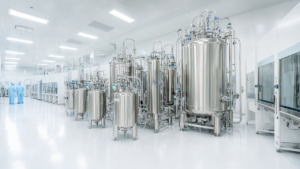
On the manufacturing front, innovations are crucial for scalability and quality. Mytos offers its iDEM platform, an automated and closed system for iPSC manufacturing, designed to improve efficiency and consistency. FUJIFILM Cellular Dynamics continues to invest in cGMP-compliant manufacturing facilities, enhancing its capacity for large-scale production of high-quality iPSC-derived products.
Background & Context
iPSC technology provides a transformative platform for developing patient-specific and allogeneic cell therapies, offering new hope for diseases with limited treatment options, including various cancers, neurodegenerative disorders, and cardiovascular conditions. Allogeneic iPSC-derived products, in particular, hold significant promise for overcoming the logistical and cost barriers associated with autologous therapies (e.g., patient-specific CAR T cells), as they can be manufactured in advance, standardized, and made readily available. This potential for enhanced accessibility and affordability positions iPSC-derived therapies as a key driver for broader adoption in regenerative medicine.
Strategic Significance & Outlook
The FDA’s IND clearance for Fate Therapeutics’ FT819 is a pivotal event, accelerating the clinical development of iPSC-derived CAR T-cell therapies and validating the platform’s potential. This momentum is expected to attract further investment and foster increased competition and innovation as new companies enter the iPSC therapeutic space. Advances in automated and scalable manufacturing technologies are paramount for these innovative therapies to transition from research pipelines to widespread clinical practice. The progression of products like CYP-001 into Phase 3 trials and subsequent approval would serve as a powerful proof-of-concept for the commercial viability of iPSC-derived cell therapeutics, further invigorating the entire regenerative medicine sector.
Source: https://bioinformant.com/ipsc-derived-cell-therapeutics/
Get our weekly technology intelligence — free
Receive an infographic that lets you judge at a glance whether each field’s analysis report is worth reading.
Subscribe Free — Weekly Tech Intelligence
By subscribing, you’ll receive Troy-Technical’s weekly technology intelligence newsletter.
- Your email and selected fields are used only to deliver the newsletter.
- We never share your information with third parties.
- You can unsubscribe anytime via the link in each email.
See our Privacy Policy for details.
Takes about a minute · Unsubscribe anytime



Comments