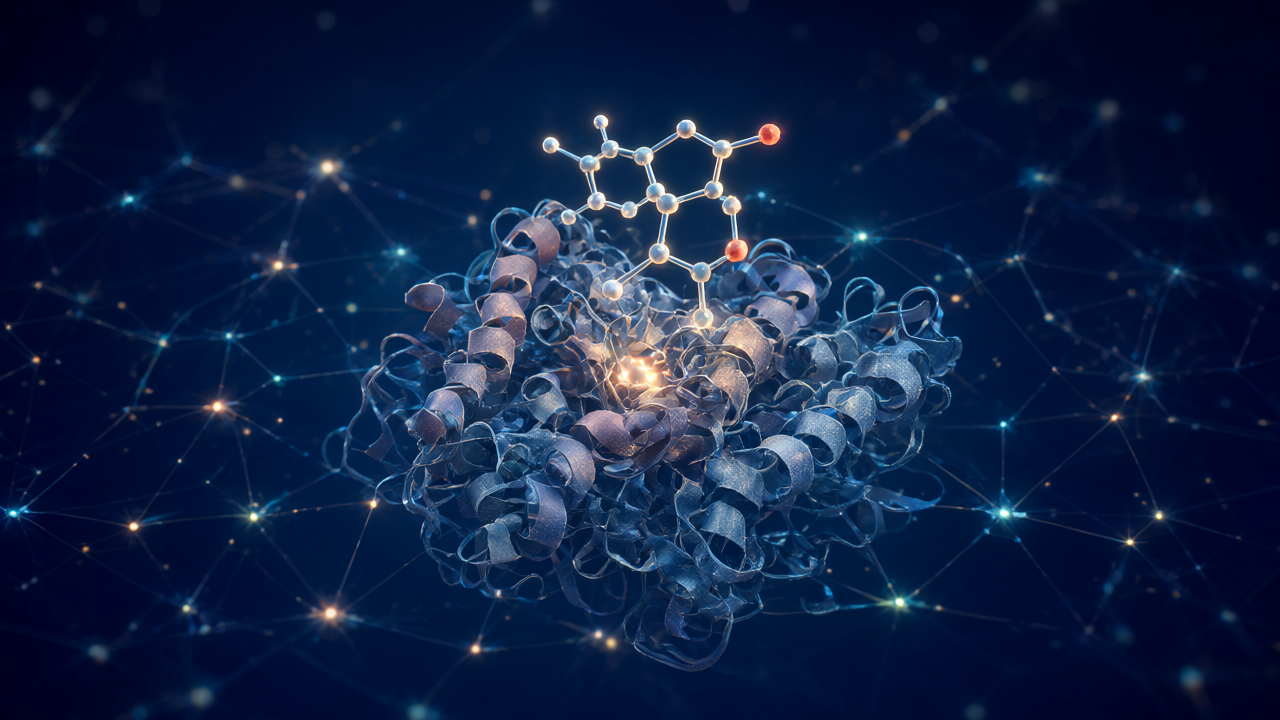
Key Findings: AI Drug Discovery Achieves High Clinical Success
Drug candidates discovered through artificial intelligence (AI) have shown remarkable success rates of 80-90% in Phase I clinical trials, a substantial improvement over the traditional industry average. This outcome signals a transformative shift in the pharmaceutical development landscape, promising more efficient and cost-effective pathways for bringing new medications to market.
Technical and Clinical Details: AI’s Role in Drug Acceleration
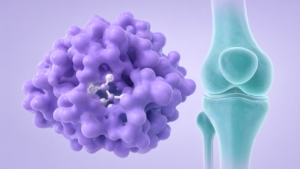
AI accelerates drug discovery by enabling highly efficient processes across multiple stages. It excels in precise target identification, leveraging tools like AlphaFold for accurate protein structure prediction, and employing generative models to design novel molecular structures. These AI-driven approaches minimize the extensive trial-and-error characteristic of conventional drug development, allowing researchers to quickly pinpoint highly promising compounds.
- Target Identification & Validation: AI rapidly analyzes vast biological datasets to identify disease-relevant molecular targets and evaluate their druggability.
- Molecular Design & Optimization: Generative AI models efficiently design novel small molecule structures with desired pharmacokinetic and pharmacodynamic properties, exploring chemical spaces beyond human intuition.
- Enhanced Success Rates: The improved quality of AI-generated candidates at early stages is a direct contributor to their higher success rates in subsequent clinical trials, significantly de-risking the development process compared to traditional, empirical methods.
Despite the power of digital predictions, rigorous wet-lab experimentation and human clinical validation remain essential to confirm the safety and efficacy of these AI-designed compounds.
Background and Industry Context: Addressing Drug Discovery Bottlenecks with AI
The conventional drug discovery process is notoriously slow and expensive, typically taking 10-15 years and costing over $2 billion per drug, with a low probability of success. A major challenge has been the high attrition rate of compounds in later clinical stages. AI offers a solution by streamlining early-stage discovery, reducing time and resources spent on less promising candidates. By processing complex biological data at speeds unattainable by humans, AI uncovers subtle patterns and relationships, fundamentally reshaping the drug development paradigm.
Strategic Significance and Outlook: The Future of Digital Biology and Validation
The future of AI in drug discovery lies in further integrating computational prediction with experimental validation. Continued advancements in AI model accuracy, synergy with real-world data (RWD), and broader application across diverse disease areas are anticipated. The ultimate goal is to translate AI-discovered therapeutics into widely available treatments, offering new hope for patients with currently untreatable conditions. The tight coupling of AI and laboratory research is poised to unlock the next generation of pharmaceutical breakthroughs globally.
Source: https://www.worldhealthexpo.com/insights/medical-laboratory/ai-in-drug-discovery
Get our weekly technology intelligence — free
Receive an infographic that lets you judge at a glance whether each field’s analysis report is worth reading.
Subscribe Free — Weekly Tech Intelligence
By subscribing, you’ll receive Troy-Technical’s weekly technology intelligence newsletter.
- Your email and selected fields are used only to deliver the newsletter.
- We never share your information with third parties.
- You can unsubscribe anytime via the link in each email.
See our Privacy Policy for details.
Takes about a minute · Unsubscribe anytime



Comments