Key Findings
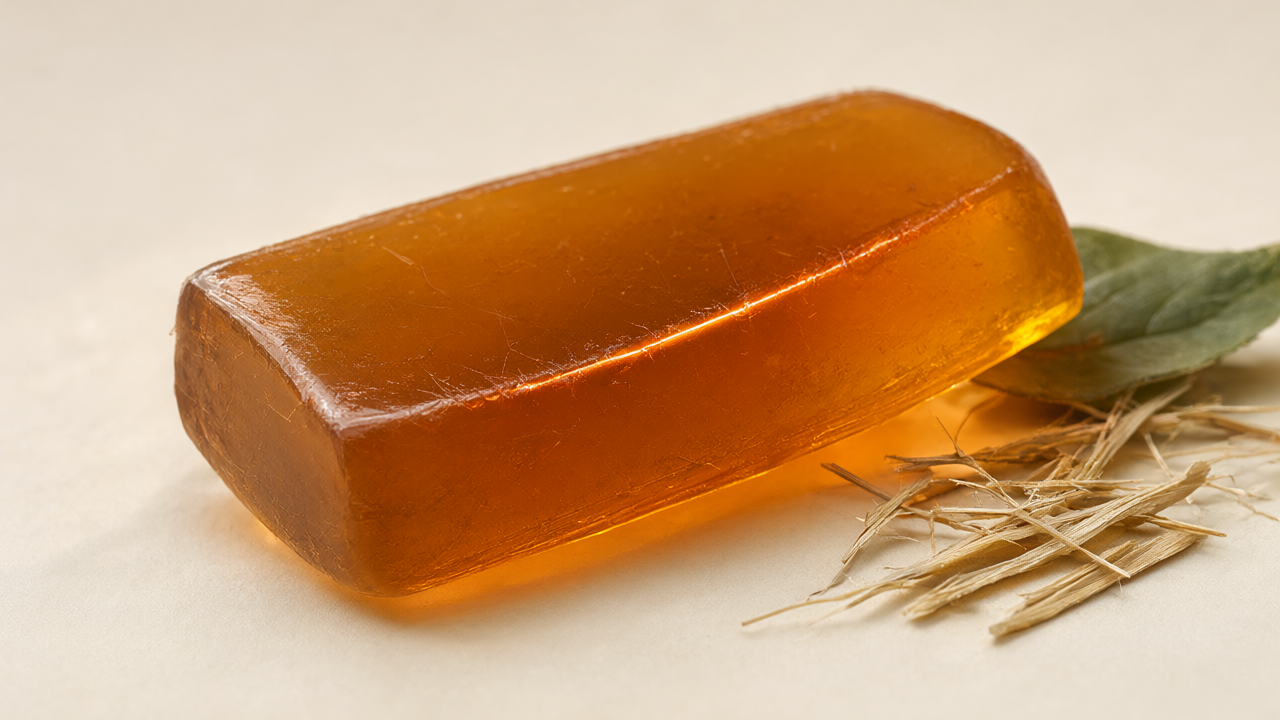
A research team has successfully synthesized a series of robust bio-based epoxy vitrimers (DGFB-x) characterized by dual dynamic boronic ester and β-hydroxy ester bonds. The optimized version, DGFB-1.0, exhibited an impressive 98.2% self-healing efficiency after 60 minutes at 90°C and achieved a high welding efficiency exceeding 94%. Notably, it demonstrated remarkable reprocessability, retaining 81.3% of its tensile strength even after three reprocessing cycles. Furthermore, the material showed effective chemical recyclability, with over 90% recovery through alcoholysis. This recyclability was also successfully applied to carbon fiber reinforced composites (CFRP), maintaining the quality and mechanical properties of the carbon fibers.
Technical / Clinical Details
The unique properties of the DGFB-x series vitrimers stem from the incorporation of two types of exchangeable dynamic covalent bonds—boronic ester and β-hydroxy ester—within the polymer backbone, forming a covalent adaptable network (CAN). Under thermal conditions, these bonds undergo reversible exchange reactions, enabling the material to self-repair damaged areas and reform during processing. This dual-dynamic bond system endows the material with both excellent thermal stability and the ability for molecular-level self-organization and reconstruction, thus achieving a balance between high performance and sustainability.
Background & Context
The escalating problem of plastic waste, particularly from difficult-to-recycle high-performance composites, poses a severe challenge to sustainability. Traditional thermosetting plastics, once cured, cannot be reprocessed or recycled. Vitrimers, however, have emerged as ‘smart polymers’ that can be reprocessed and reshaped when heated, offering a promising solution. The bio-based DGFB-x vitrimers developed in this study reduce reliance on petroleum-derived materials while demonstrating excellent mechanical properties and circularity. This positions them as a leading candidate for next-generation sustainable material solutions in sectors such as aerospace, automotive, and electronics.
Strategic Significance & Outlook
The DGFB-x series of bio-based epoxy vitrimers holds substantial potential to contribute significantly to the realization of a circular economy. Its self-healing capabilities extend product lifespan, reprocessability reduces manufacturing waste, and efficient chemical recycling facilitates effective resource utilization. The successful recycling of carbon fiber composites is particularly crucial for enhancing the sustainability of high-value composite materials found in aircraft and wind turbine blades. Future efforts will focus on scaling up material production, evaluating performance across diverse application areas, and optimizing cost-effectiveness to accelerate the practical implementation and market adoption of this innovative material.
Source: https://www.frontiersin.org/journals/materials/articles/10.3389/fmats.2026.1945972/full
Get our weekly technology intelligence — free
Receive an infographic that lets you judge at a glance whether each field’s analysis report is worth reading.
Subscribe Free — Weekly Tech Intelligence
By subscribing, you’ll receive Troy-Technical’s weekly technology intelligence newsletter.
- Your email and selected fields are used only to deliver the newsletter.
- We never share your information with third parties.
- You can unsubscribe anytime via the link in each email.
See our Privacy Policy for details.
Takes about a minute · Unsubscribe anytime



Comments